Xanthan Gum
Xanthan Gum is a water-soluble, hydrophilic polysaccharide hydrocolloid, which is made when the simple sugars of corn starch are fermented by the plant bacteria Xanthomonas campestris. The product is further extracted and dried. It is used widely as a thickener and stabilizer due to its unique pseudo-plasticity rheological properties. It can contribute to optimize suspensions by increasing viscosity to help prevent separation and sedimentation. It also can provide moisture retention and optimize food textures.
Xanthan Gum is listed as GRAS and is approved for use in foods; 21CFR Part 172.695.
Xanthan Gum is considered the most versatile hydrocolloid.
It is typically an off-white to pale yellow powder with little odor or taste. It is very stable, so it helps products maintain their texture during storge, heating, freezing and thawing. It shows strong shear-thinning behavior or yield stress, meaning that it gets thinner when mixed or shaken, but thickens again when at rest.
Yield Stress is defined as the minimum applied stress required to break the xanthan gum network enough for the product it is being used in to start to flow.
Mayonnaise sets up and holds its structure but spreads easily once sheer is applied.
Salad Dressing stabilizes at rest but flows when it is shaken and/or poured.
Xanthan Gum is a popular gum to use because just a small amount can dramatically improve texture, stability and shelf life.
In foods, it is especially useful when manufacturers require a clean texture without relying on traditional starches. In industrial products, its main advantage is its predictable viscosity and added stability across many challenging processing conditions.
Applications — Food
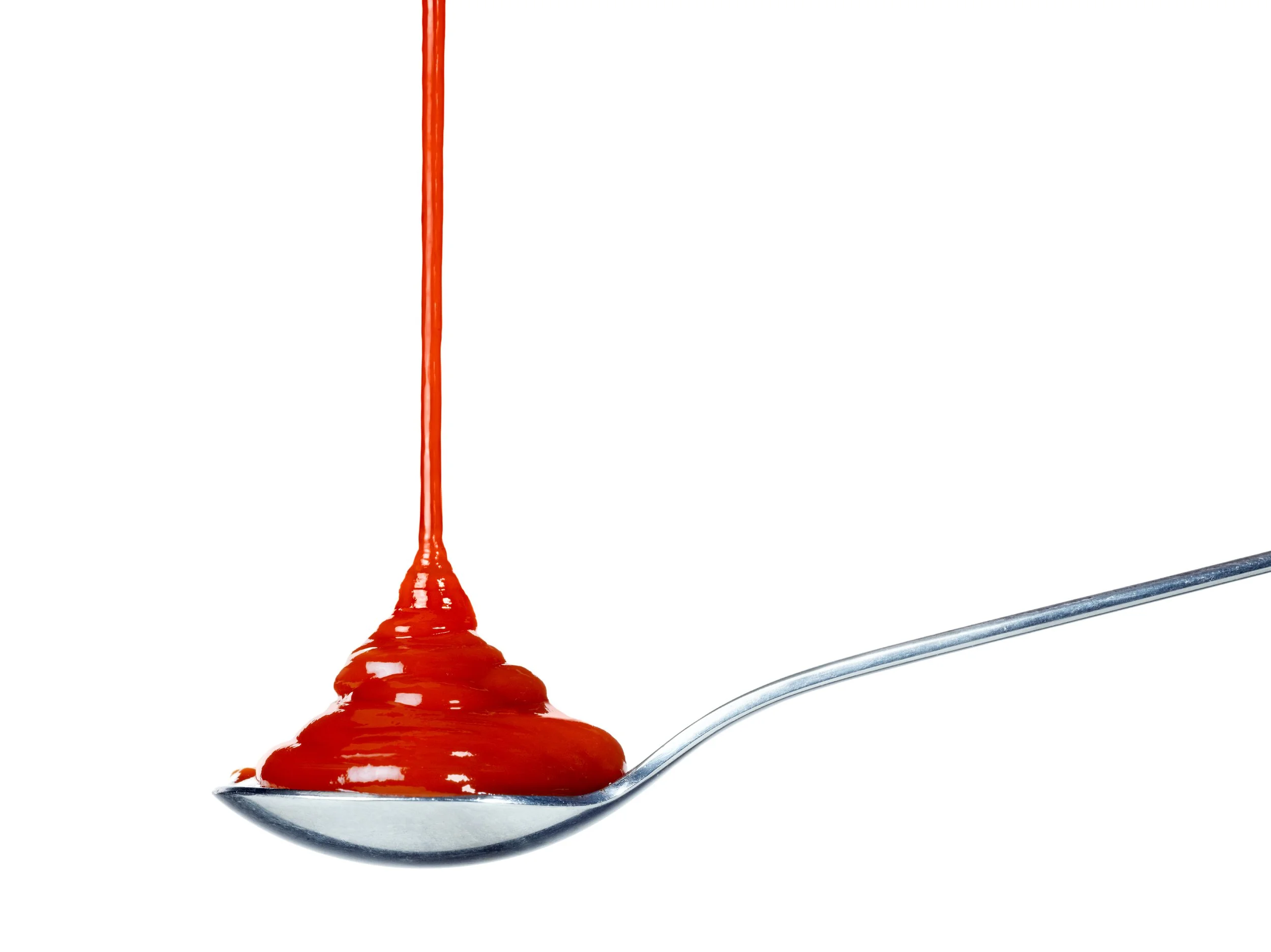

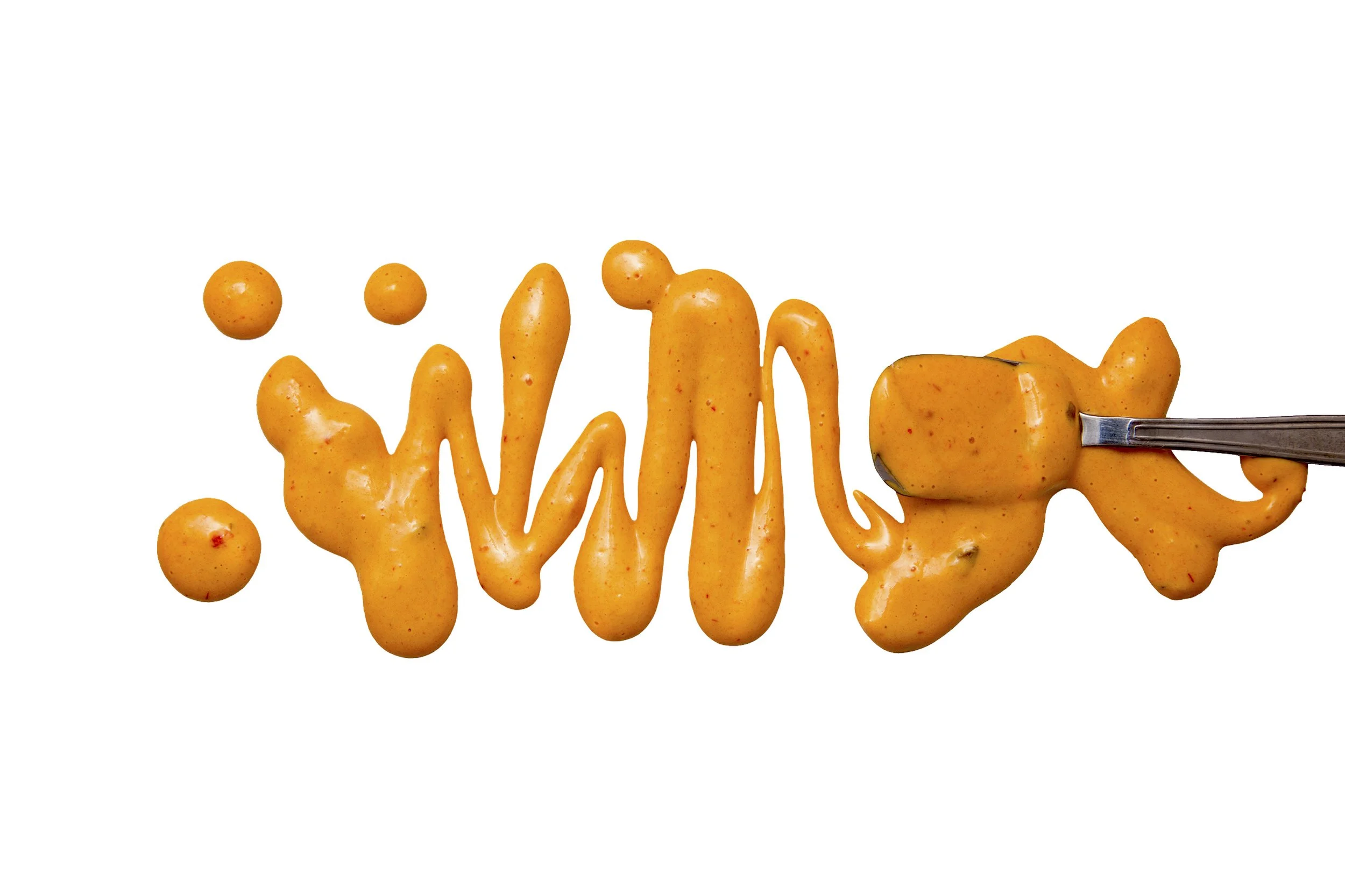
Sauces and Salad Dressings — Builds stable viscosity and gives smooth pour control. Keeps herbs, spices and other particulates suspended.
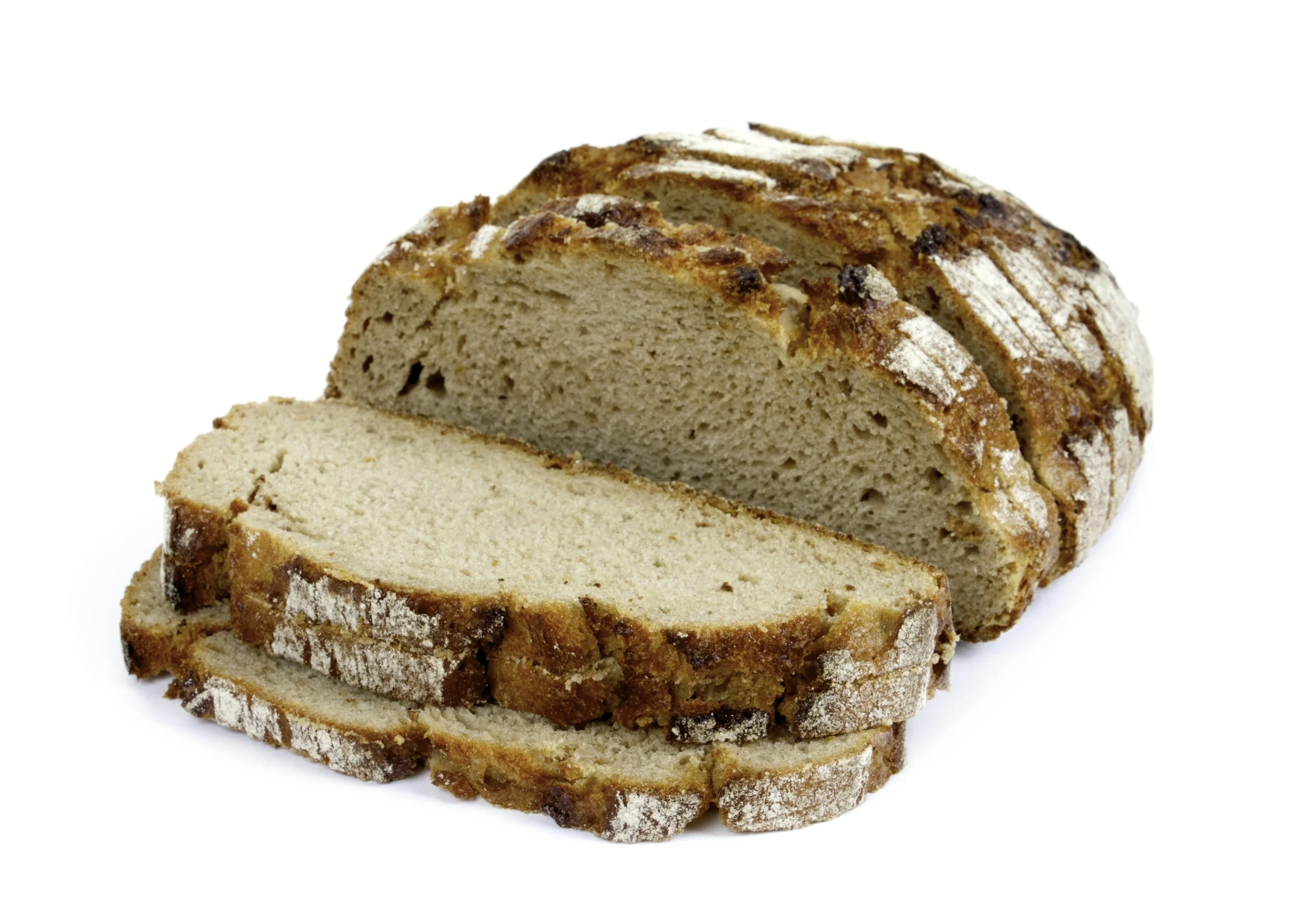
Gluten-Free Bakery Products — Replaces part of the gluten’s binding and elastic functionality in doughs and batters. Improves structure, softness, and moisture retention in breads and baked goods.
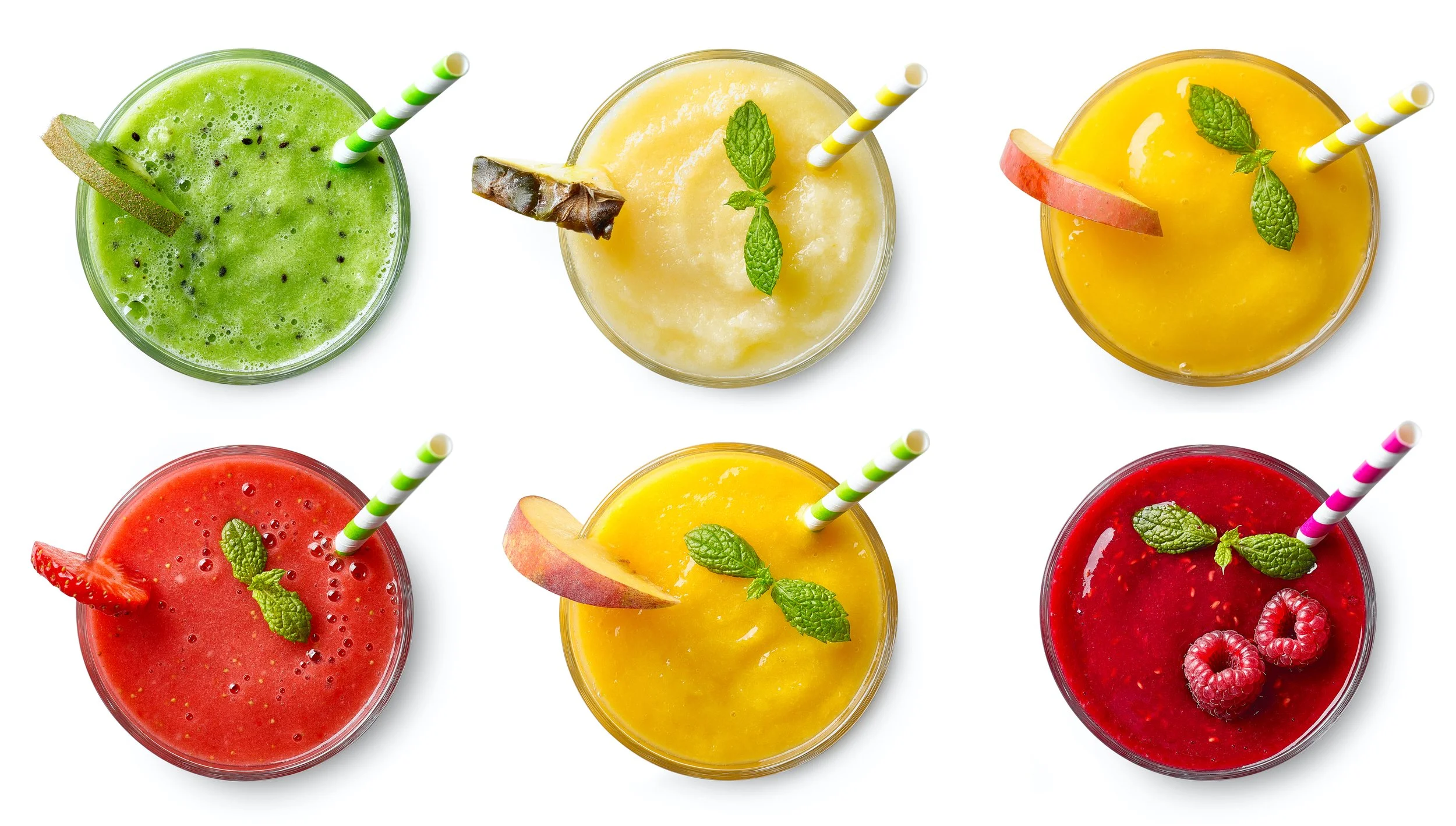
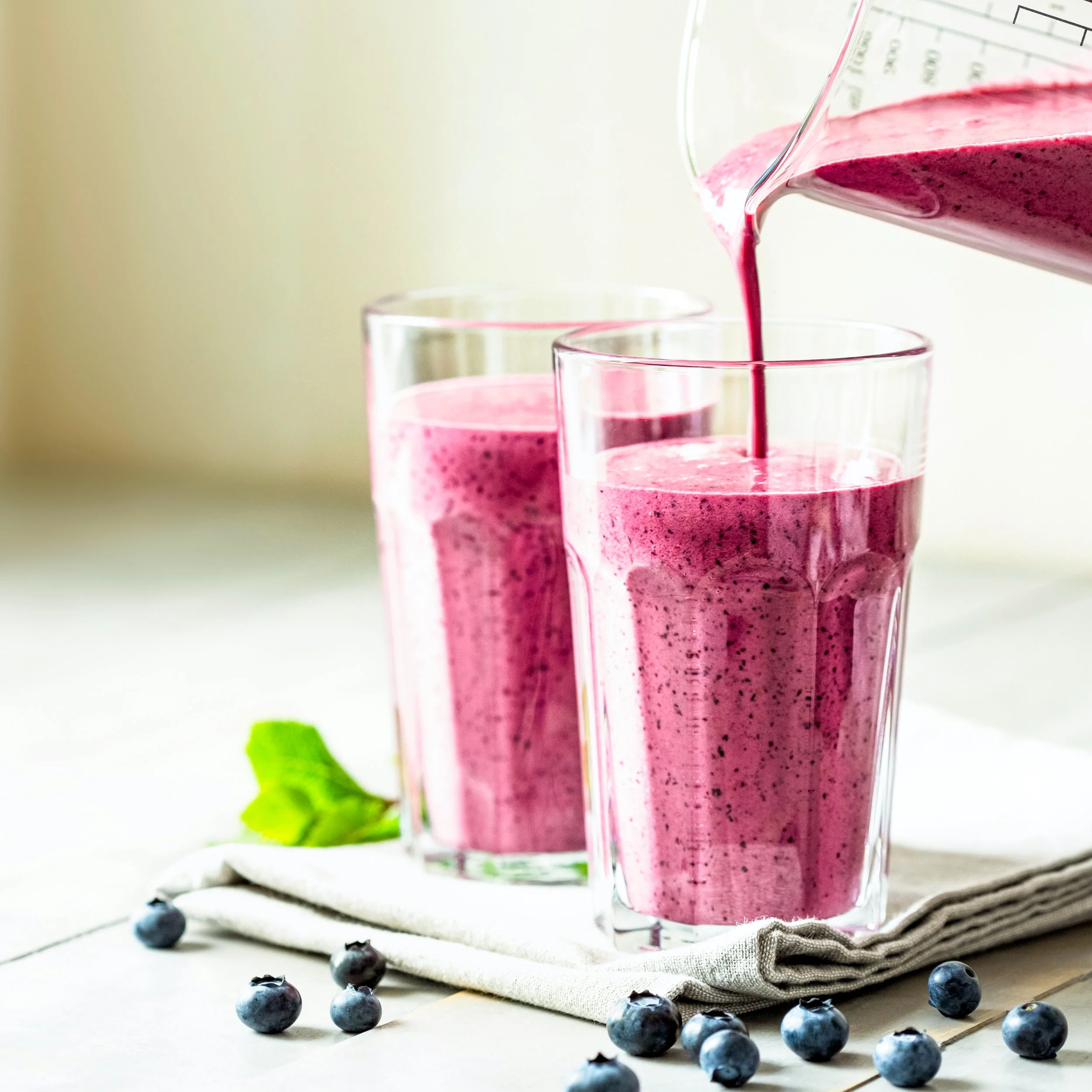
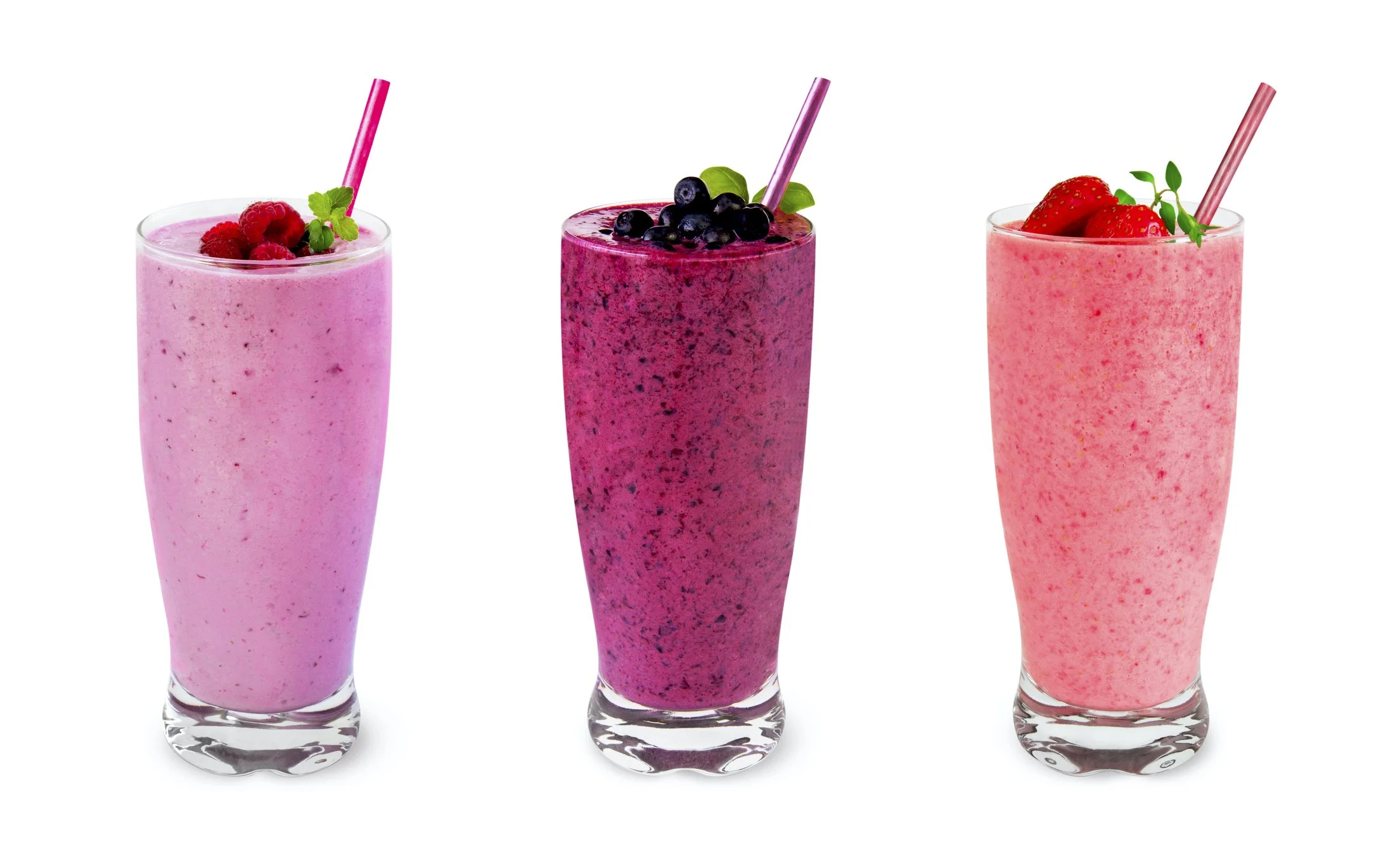
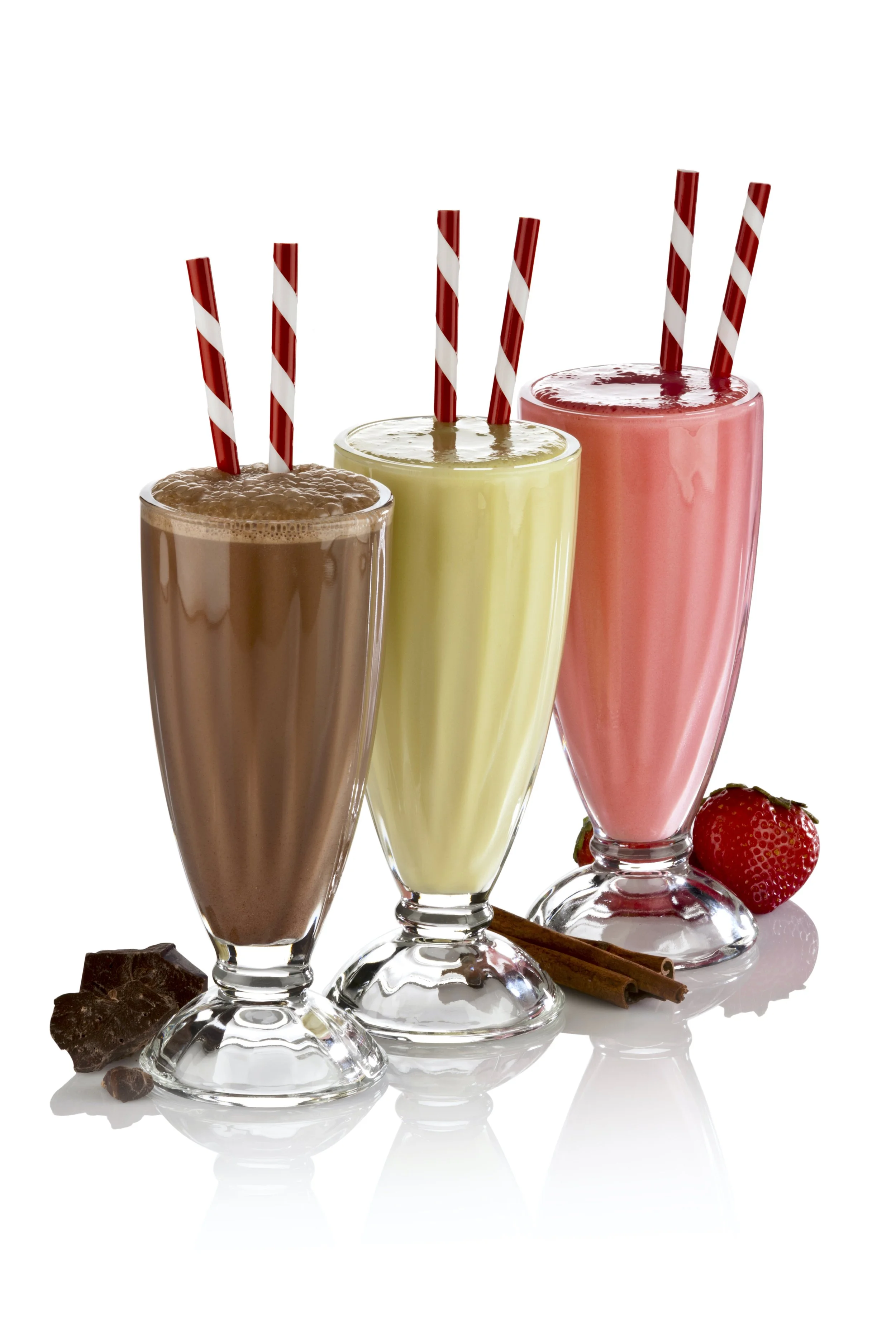
Beverages — Suspends pulp, cocoa, protein and flavor particles in drinks. Maintains mouthfeel and reduces sedimentation during shelf life.
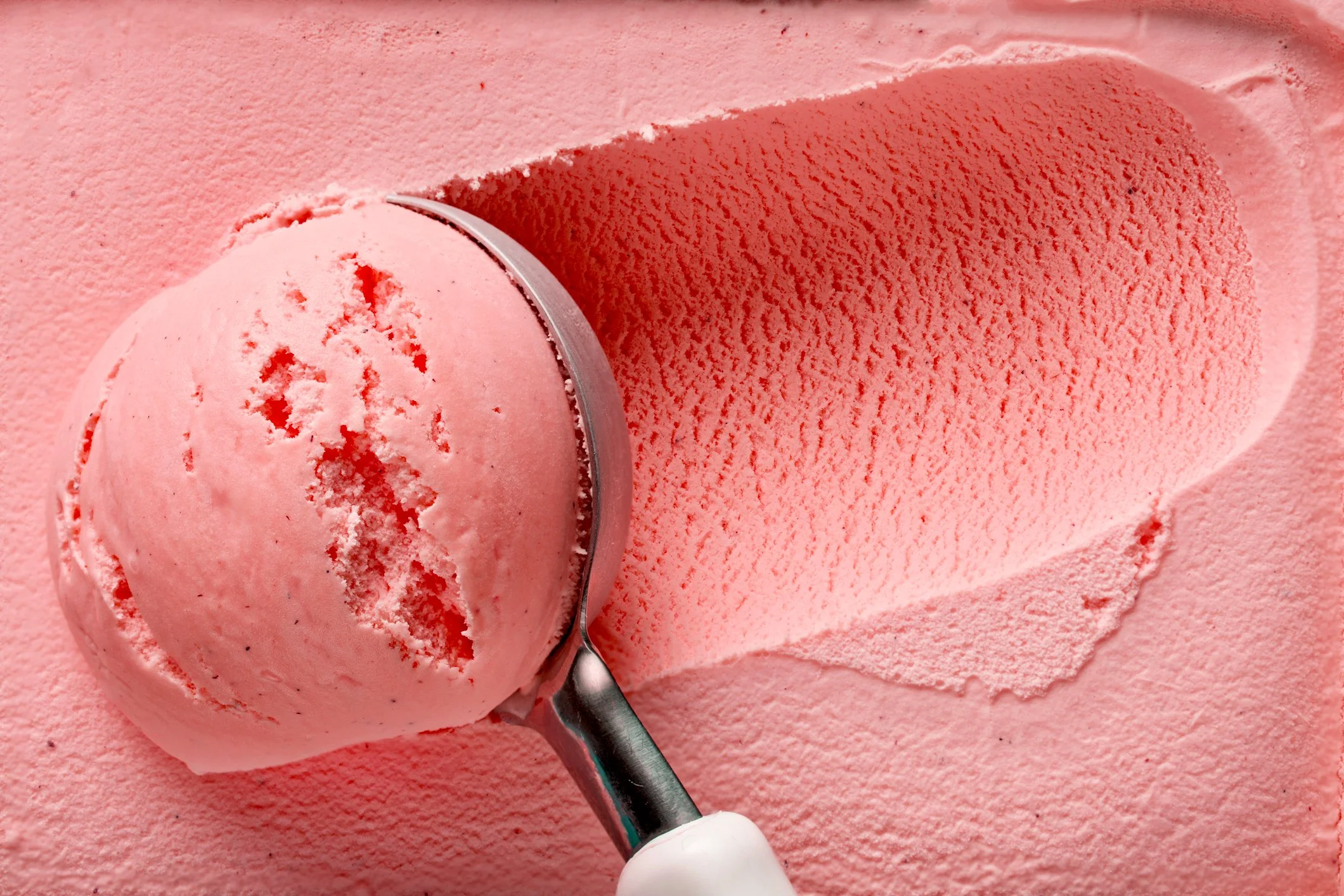
Dairy and Frozen Desserts — Improves creaminess and stabilizes yogurt, ice cream, and dairy desserts. Helps reduce whey separation and minimize ice crystal formation.
Confectionery, Syrups and Processed Foods — Controls flow and texture in syrups, toppings, jellies and candy systems. Improves water retention and stability in formulated foods.
Applications — Cosmetics/Personal Care/Industrial


Oil Drilling and Oilfield Fluids — Provides viscosity, suspension and fluid control under demanding conditions. Also used to thicken drilling fluids and improve cuttings for transport.
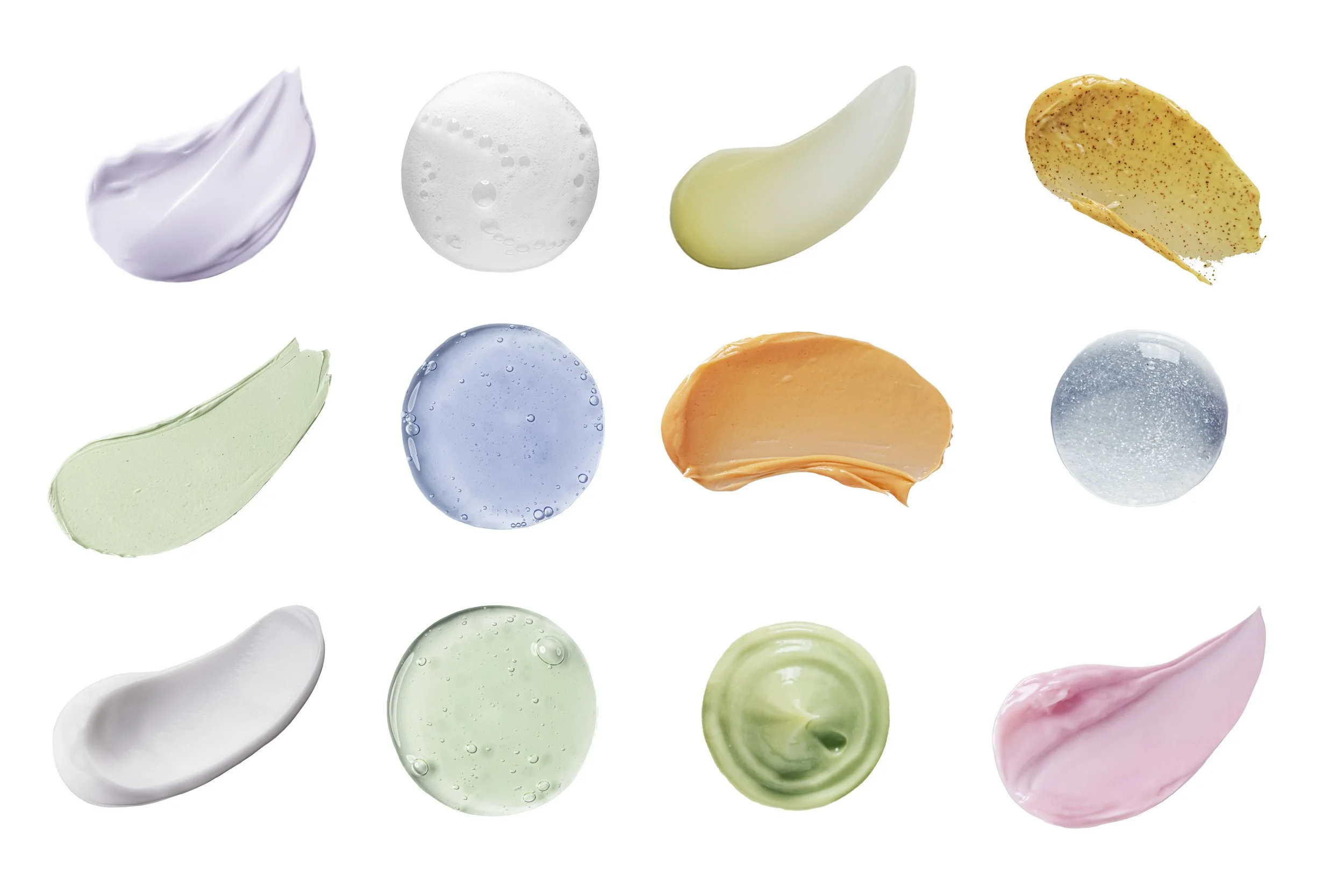
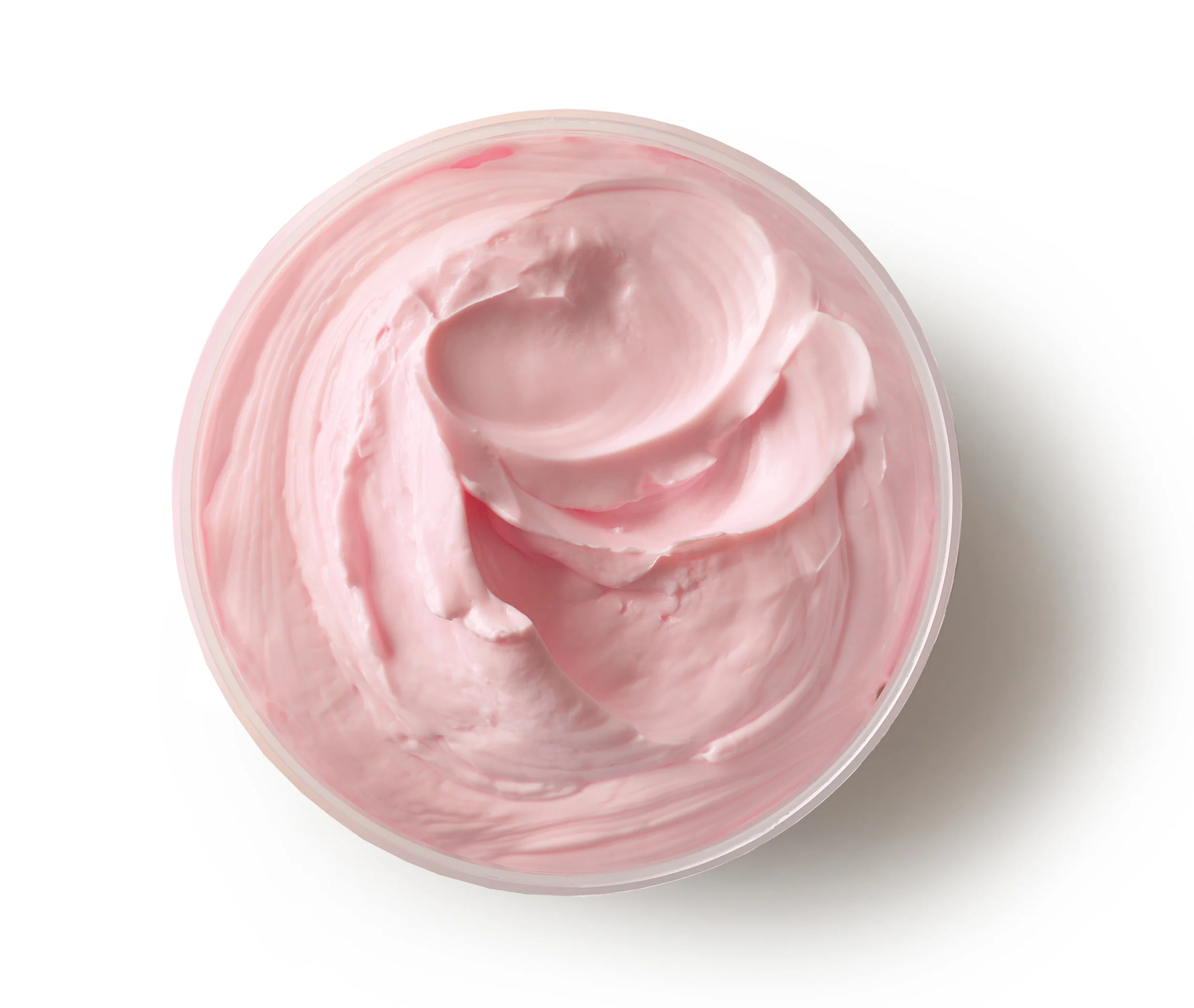
Cosmetics and Personal Care — Improves texture, consistency and emulsion stability in personal care systems. Used as a stabilizer and thickener in lotions, creams, shampoos and toothpaste.