Hydrocolloid
hahy-druh-kol-oid
A water-loving polymer (polysaccharide or protein) that, when mixed with water, forms gels or thickens liquids. Hydrocolloids are vital in the food industry for controlling texture, maintaining moisture, preventing ingredients from separating, emulsifying and extending shelf life.
Gums are Hydrocolloids; Gum is the more common term used in the industry.
How do Gums function in a product?
Gums control water in foods, by forming microscopic gels around water molecules. This effect increases the viscosity, or thickness, of the food product. This action essentially locks the water in a three-dimensional matric and as a result, helps suspend food ingredients within the food system. This is important because viscosity is directly related to and impacts the stability and texture, and even shelf life, of a given food.
Viscosity:
Modifies Texture
Stabilizes Food Systems
Prevents Freeze Shock
Improves Product Appearance by Minimizing Separation
Provides Better Flow Characteristics
Extends Shelf Life
Where are hydrocolloids used?
Gums and Hydrocolloids are used in virtually any food or product containing water found in a supermarket or grocery. They are also used in many pharmaceutical, nutraceutical, cosmetic, personal care and industrial applications.



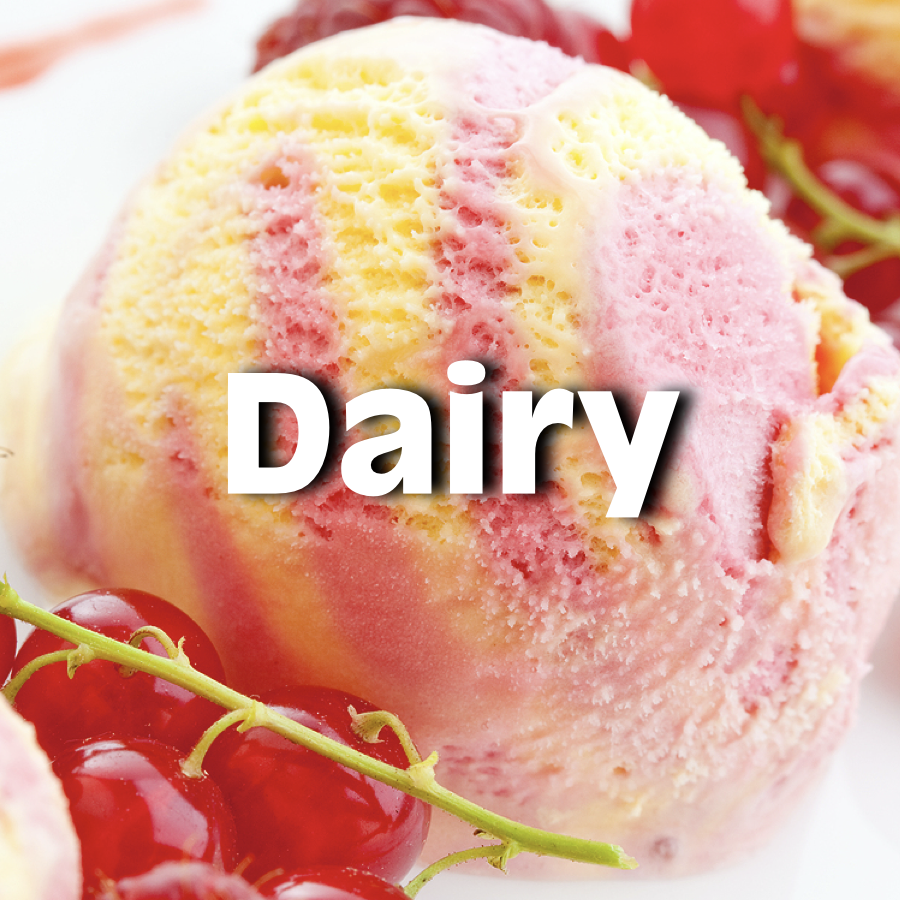
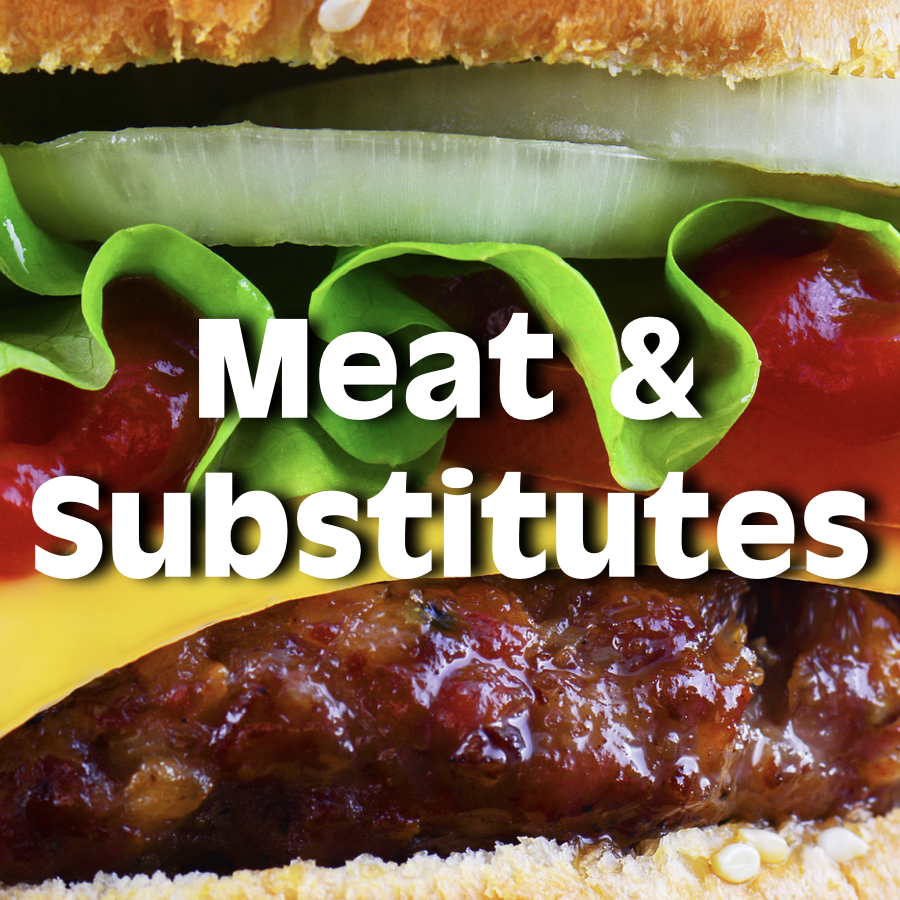





Examples:
Dairy Products
Sauces
Dressings
Meat
Beverages
Frozen Desserts
Frozen Meals
Baked Goods
Confectionery
Prepared Foods
Ready to Eat Meals
Nutraceutical
Nutrition Foods (Bars, Drinks)
Pharmaceuticals
Personal Care Items
Texture
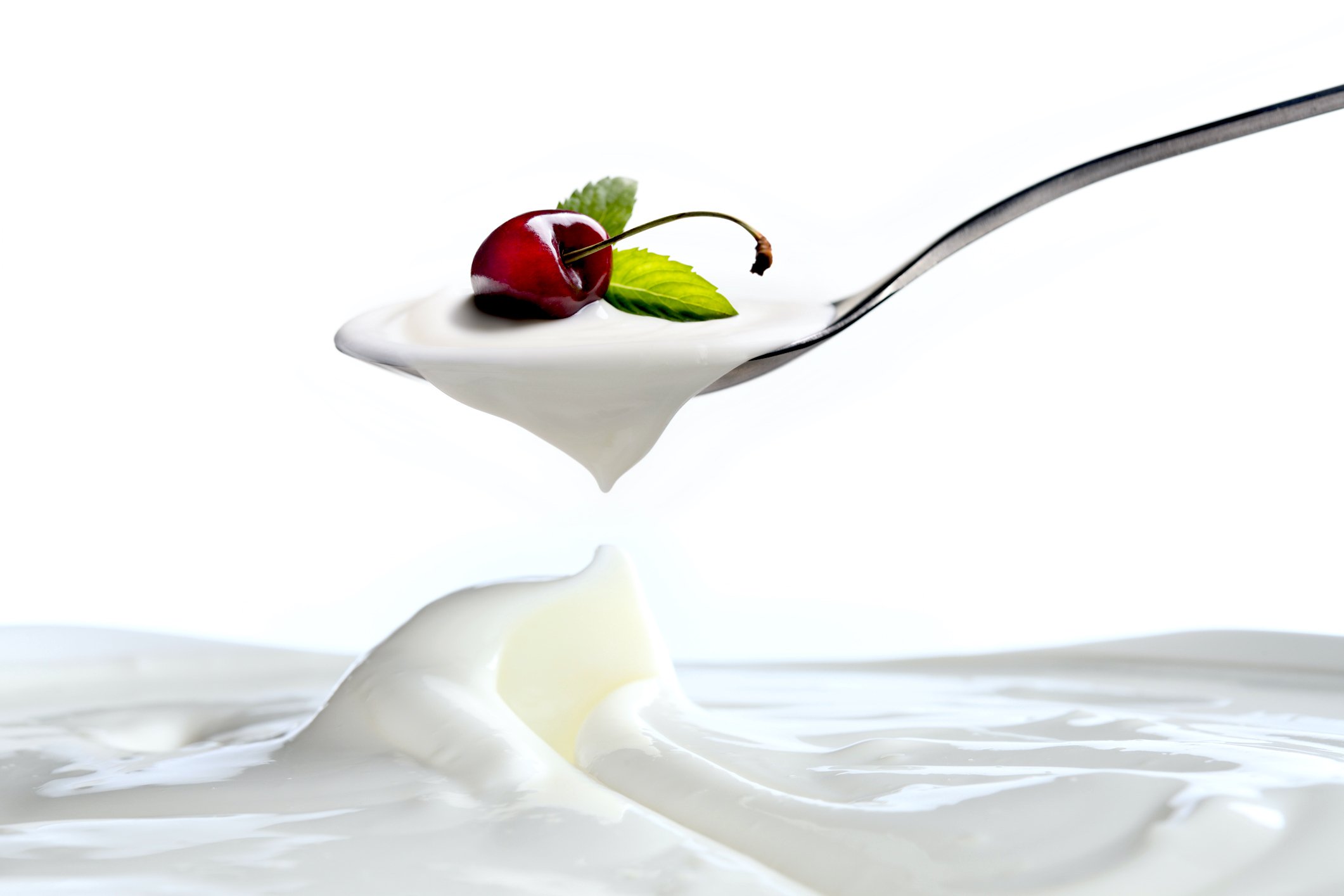
Texture is one of the most important qualities that consumers look for in their foods. Gums enhance and optimize the texture of a product by interacting with the water that is present to modify the texture in an appealing way for the consumer. This directly impacts flavor, enjoyment and overall satiety of a food. The physical feel of foods, drives our biological and psychological responses to what we eat, to provide enjoyment and satisfaction, rather than dislike or aversion. The final effect determines whether a food is creamy, smooth, crispy, crunchy or chewy.

Stabilization
Gum Systems and Hydrocolloids help to stabilize liquid products which may otherwise separate or have sedimentation or precipitation, by increasing or optimizing the viscosity of the final product.
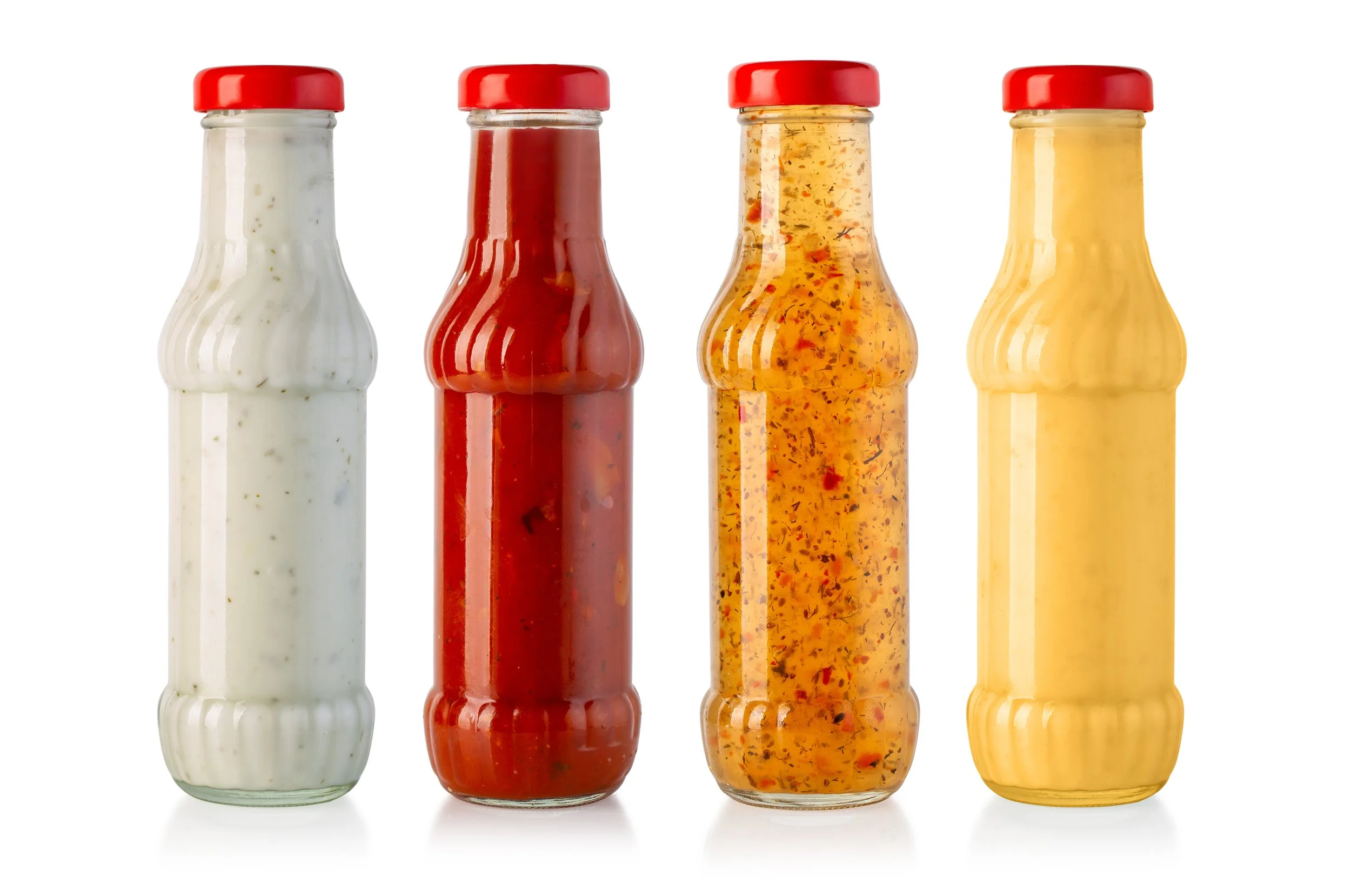
This allows for salad dressings to cling to lettuce or coleslaw, for salsas to have the optimal viscosity and better cling to chips, and for sauces to adhere to meats during marination, basting or cooking.
Emulsions
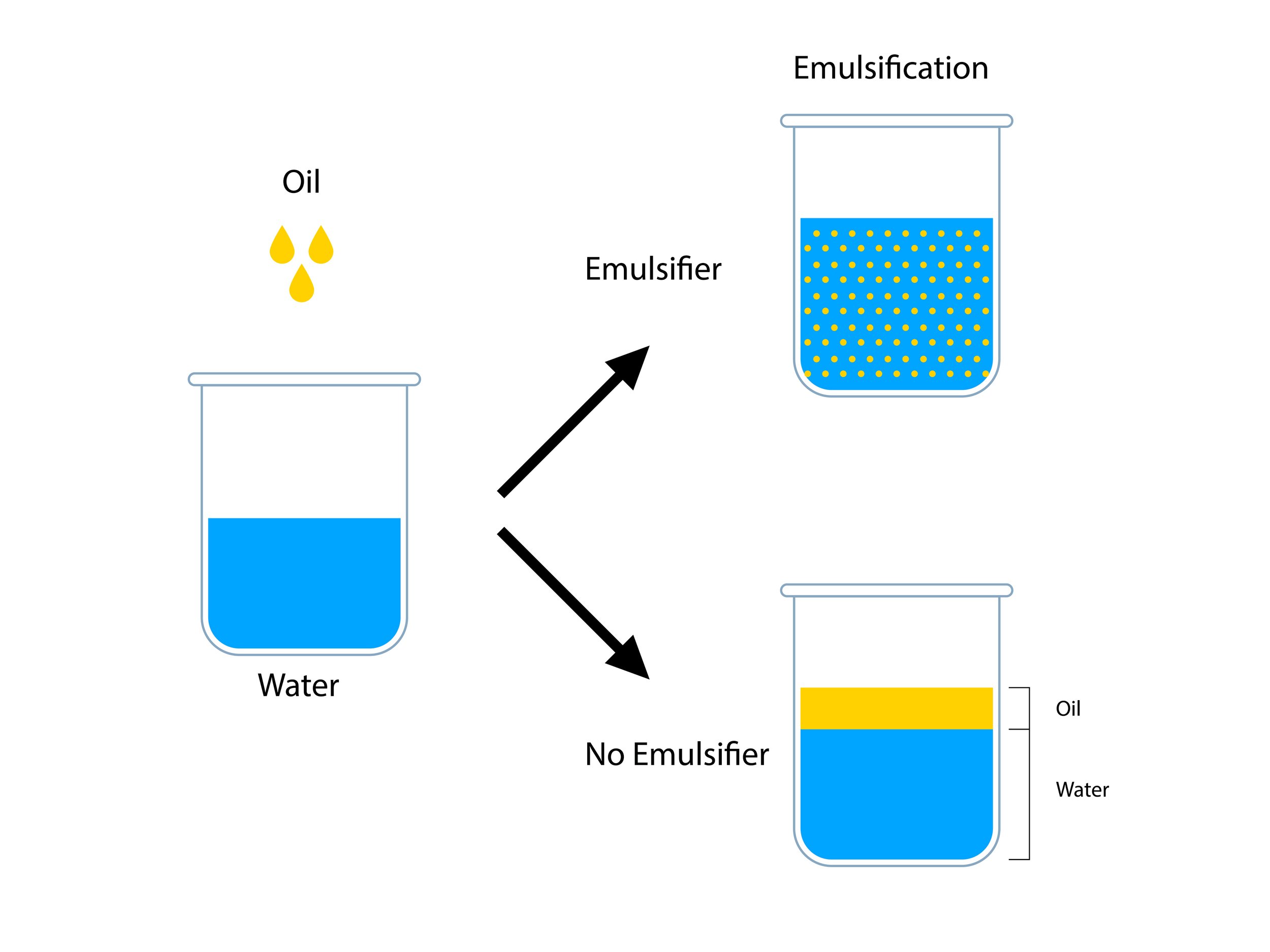
Combining two or more liquids that typically do not mix well together, or that would ultimately separate when mixed together creates an Emulsion. An emulsion allows for the mixture of these two liquids to stay combined, and if the emulsion is properly stabilized, the liquids will stay mixed together over time and the final liquid system will remain uniform. In an emulsion, one liquid, the dispersed phase, is dispersed in the other, the continuous phase. Examples include, vinaigrettes, homogenized milk, and various dressings and sauces.
An emulsifier is an ingredient that stabilizes an emulsion by reducing the oil-water interface tension. In coating the oil and positioning themselves at the water boundary, they also repel each other enough to prevent the droplets from touching. This is important, because without this unique interaction, the droplets would coalesce or combine, and the mixture would separate into distinct layers.
Gums like Acacia Gum, are able to provide this true emulsification effect in food systems, binding ingredients together and preventing separation, while Xanthan Gum is ideal for optimizing viscosity in order to stabilize food systems.
Additional true emulsifiers, include mono and di-glycerides, lecithin, and polysorbates.

Freeze Thaw Stability
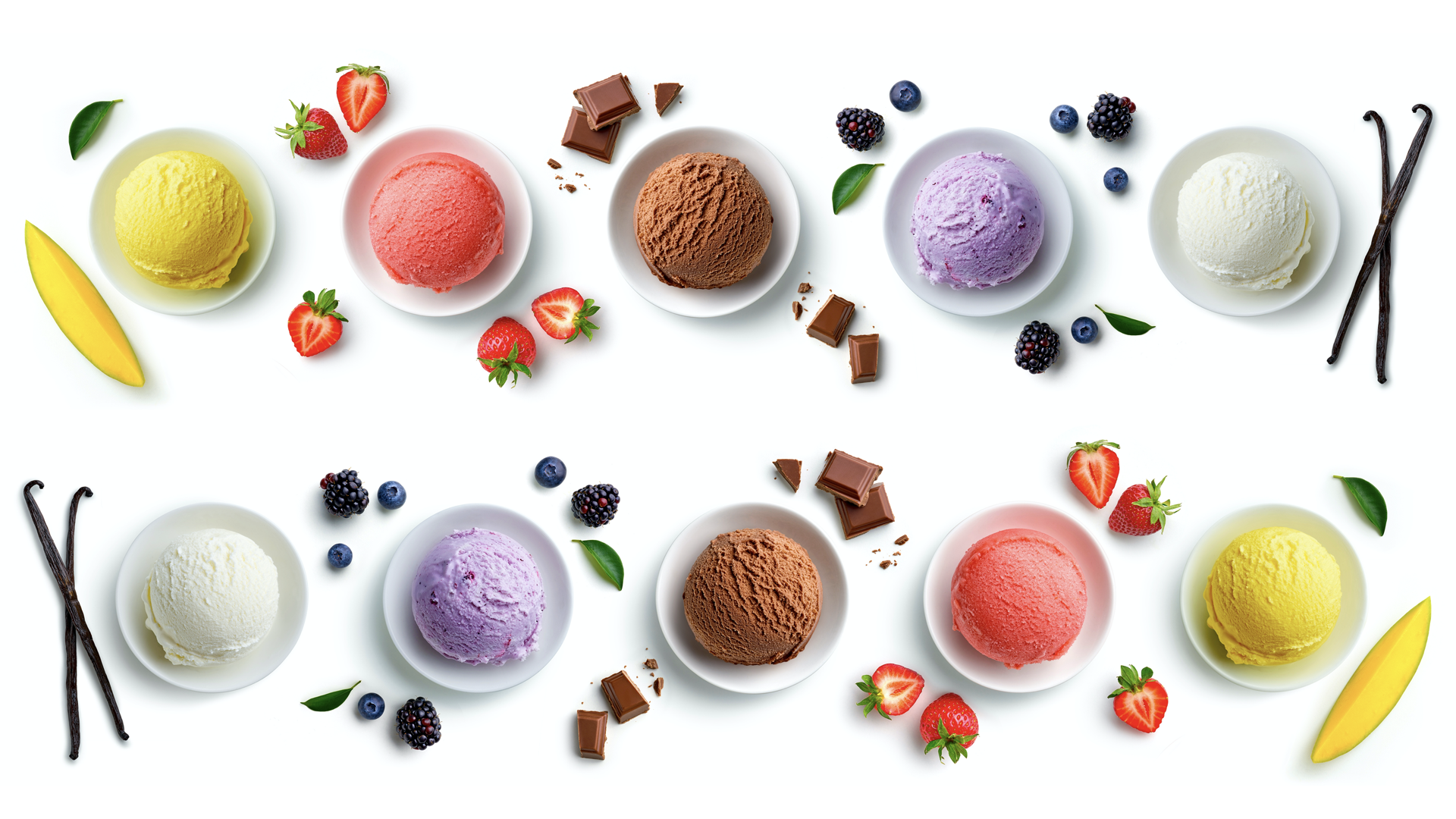
In frozen foods, the ice contained in the food may have an opportunity to melt and then refreeze. In this process, ice crystals are created, which can harm the texture flavor and appearance of a food product.
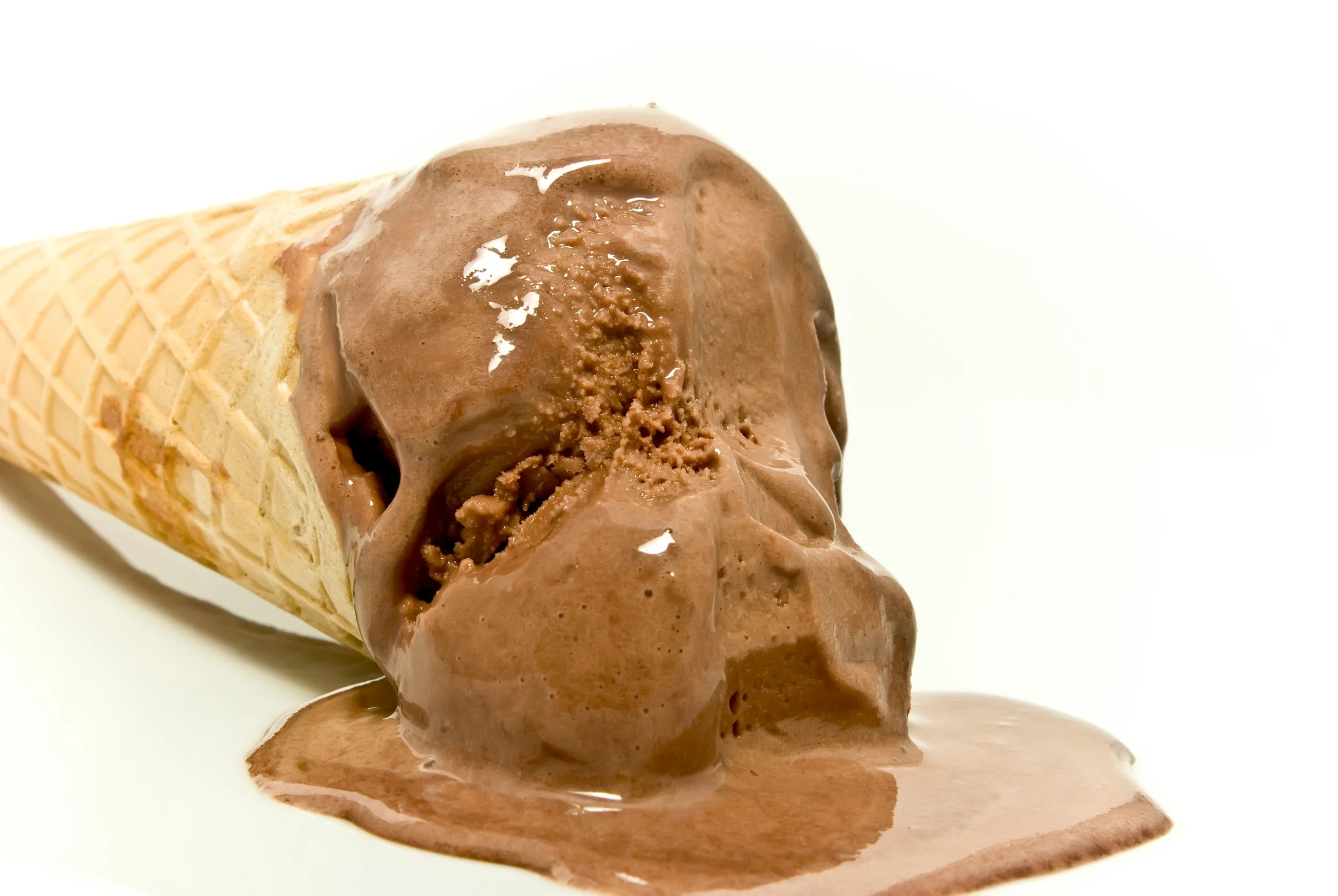
The use of gums and hydrocolloids can help to control the water in such a way that the Freeze-Thaw stability is improved. The ice crystal size is optimized, syneresis on thaw is reduced and the texture of the food is protected, without dramatically shifting the freezing point of the food.



Shelf Life

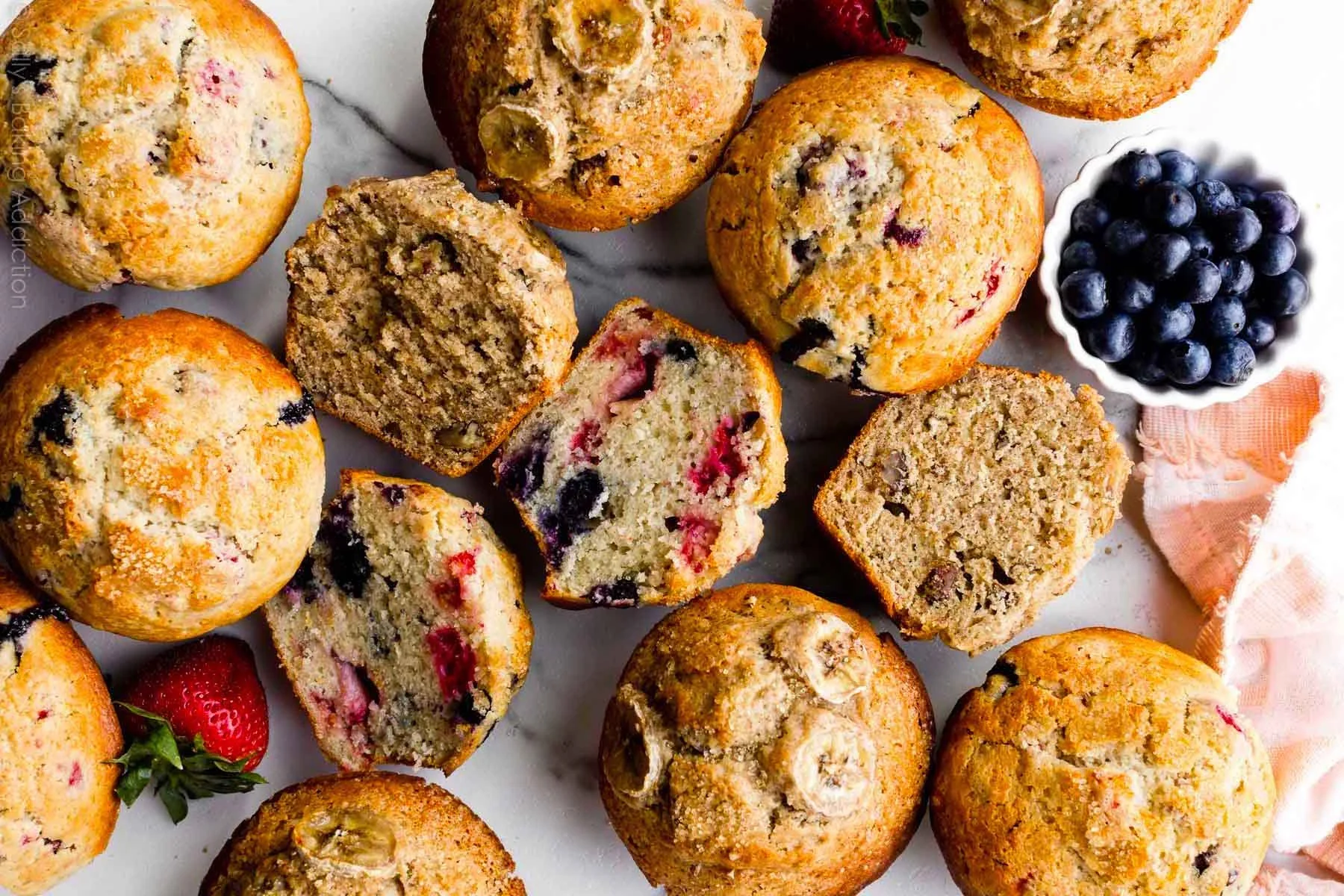
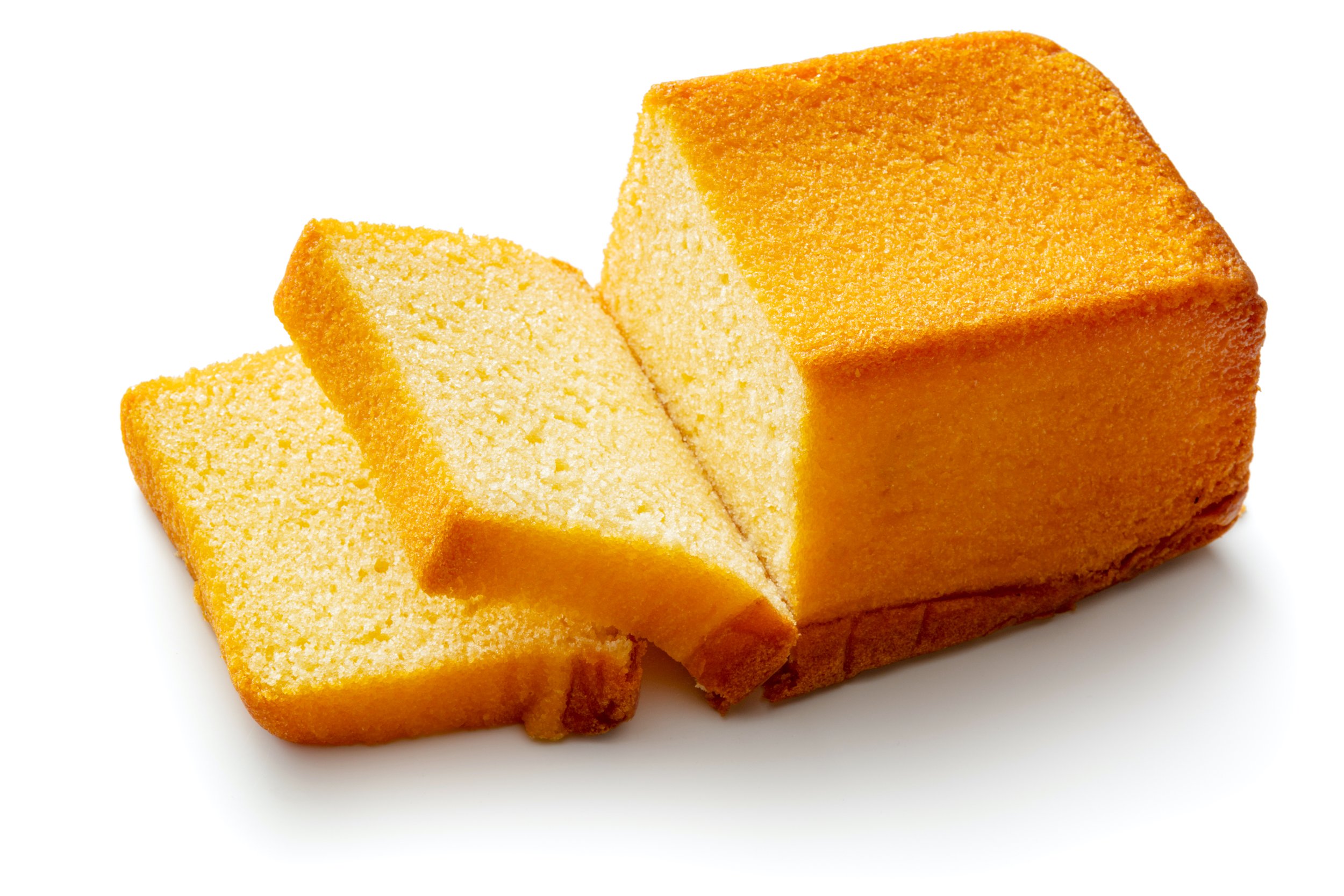

Extended Shelf Life: Gums extend shelf life by slowing the staling of foods, reducing moisture loss or migration, stabilizing emulsions and suspensions, and limiting ice-crystal growth or other quality concerns for fresh, shelf stable, refrigerated and frozen foods during storage. Hydrocolloids such as Xanthan, CMC, Carrageenan, and Guar can improve and optimize water retention and texture stability, which keeps products acceptable for longer. In baked goods, they can reduce starch retrogradation, which is a major driver of breads becoming stale. In beverages and sauces, they help prevent settling and separation, which preserves product quality over time.
This is most useful in baked goods and other high-moisture foods where mold growth is strongly tied to water availability and surface moisture. In these products, hydrocolloids can support sorbic acid, propionates, or other mold inhibitors and antimicrobial ingredients, when used at the optimal level, by making the formulation drier at the microbial level and more stable during storage.
Gum/Hydrocolloid Selection
Why Are Some Hydrocolloids Preferred Over Others?
Hydrocolloids are often grouped together because they all have similar properties, namely, they bind water and modify texture. But in practice they are not interchangeable. They differ in thickening power, gelation behavior, mouthfeel, process tolerance, compatibility with other ingredients, labeling preferences, and cost-in-use. This is why formulators and customers often strongly prefer one gum (or gum system) over another, even when the end goal(s) sound similar.
Why this matters in practice.
The best way to think about gum/hydrocolloid selection, whether using a singular gum in application or a customized blend, is as follows:
Each gum may solve the same broad problem or provide the same benefit(s), but each one brings its benefit(s) and/or resolution in different ways, and also often with different trade-offs. Preference usually comes by understanding and evaluating the total package: the performance in the formula or application, the robustness of the ingredient in the plant, the sensory result (how does the consumer enjoy the effect), Cost-in-Use, and how it fits with your labeling and brand strategy.