
Gellan gum
Gellan gum is a water-soluble polysaccharide which is produced through the fermentation of sugar by the bacterium Sphingomonas elodea. It is unique among hydrocolloids in that it has the ability to form gels at very low concentrations (e.g. 0.02-0.03%). It is available in two distinct types, each type producing a different kind of structure or texture.
The High Acyl Form (HA) produces soft elastic, flexible gels, opaque to translucent. It produces creamy textures. It is thermally reversible, meaning that it can allow for foods to be suitably remelted, and it sets at higher temperatures. It requires heating to 85-95C to fully hydrate and sets and melts at 70-80C. It is highly resistant to wide pH ranges and less sensitive to calcium ions than the low acyl type.
The Low Acyl Form (LA) produces firm brittle gels with a crystal-clear appearance. It provides crisp mouthfeel in application. It is heat stable, and it does not remelt easily, thus is non-reversible. It hydrates fully at higher temperatures (90-95C) and quickly snap-sets upon cooling (around 60C). The resulting gels are heat stable and can withstand high processing or baking temperatures. It requires a pH above 4.0 to properly gel.
Gellan Gum is listed as GRAS and is approved for use in foods; 21CFR Part 172.665.
Applications — Food
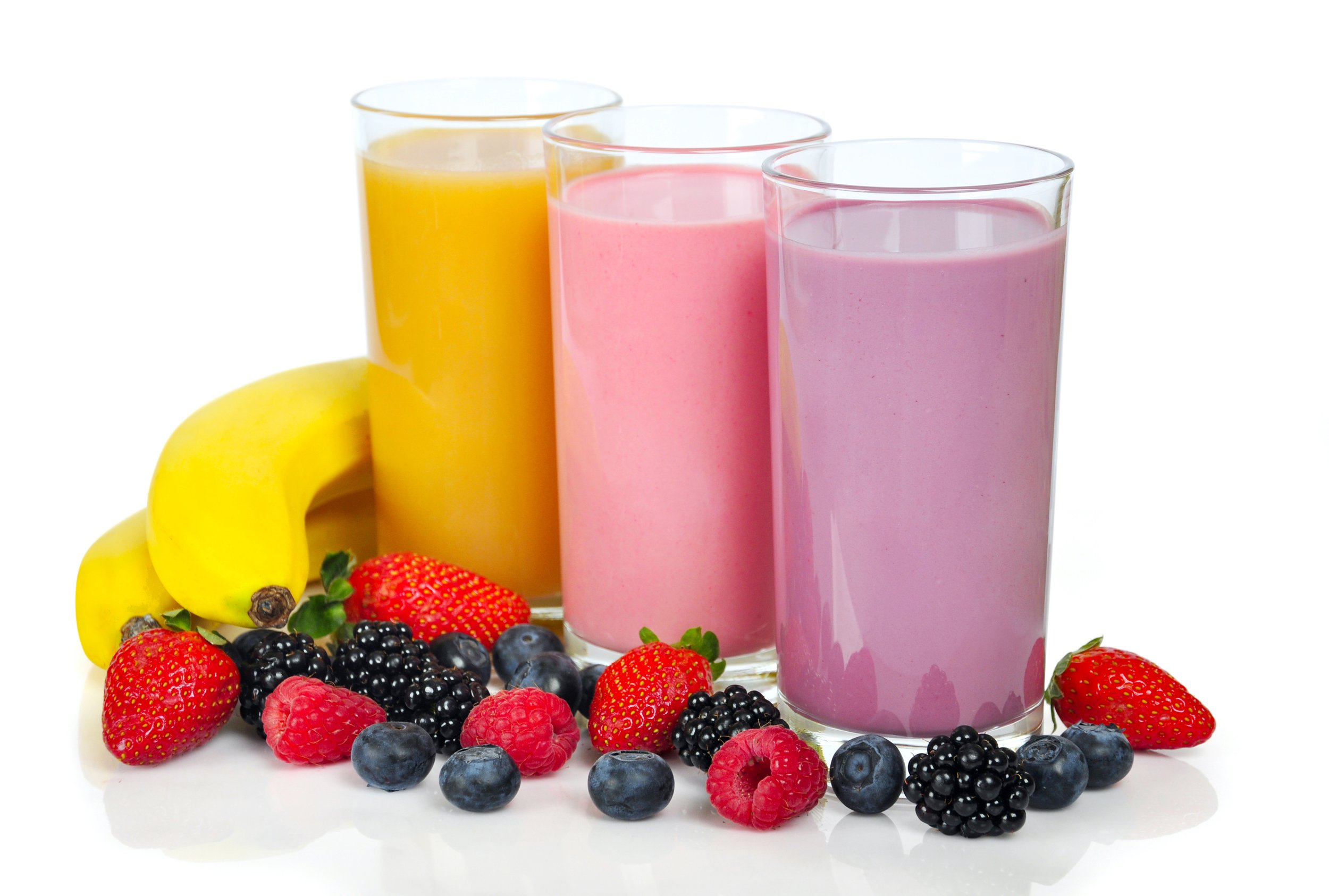
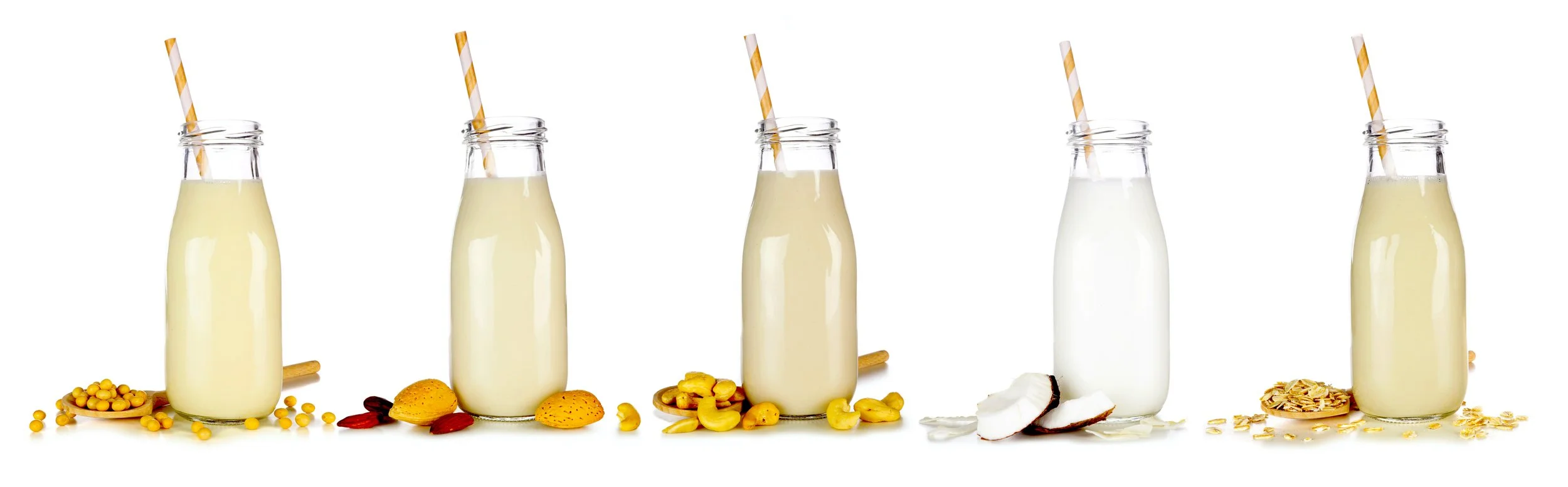
Plant-based Milks and Fortified Beverages — Suspends proteins, minerals, and pulp in low-viscosity drinks. Prevents sedimentation in oat, almond, and soy milks and in juices.
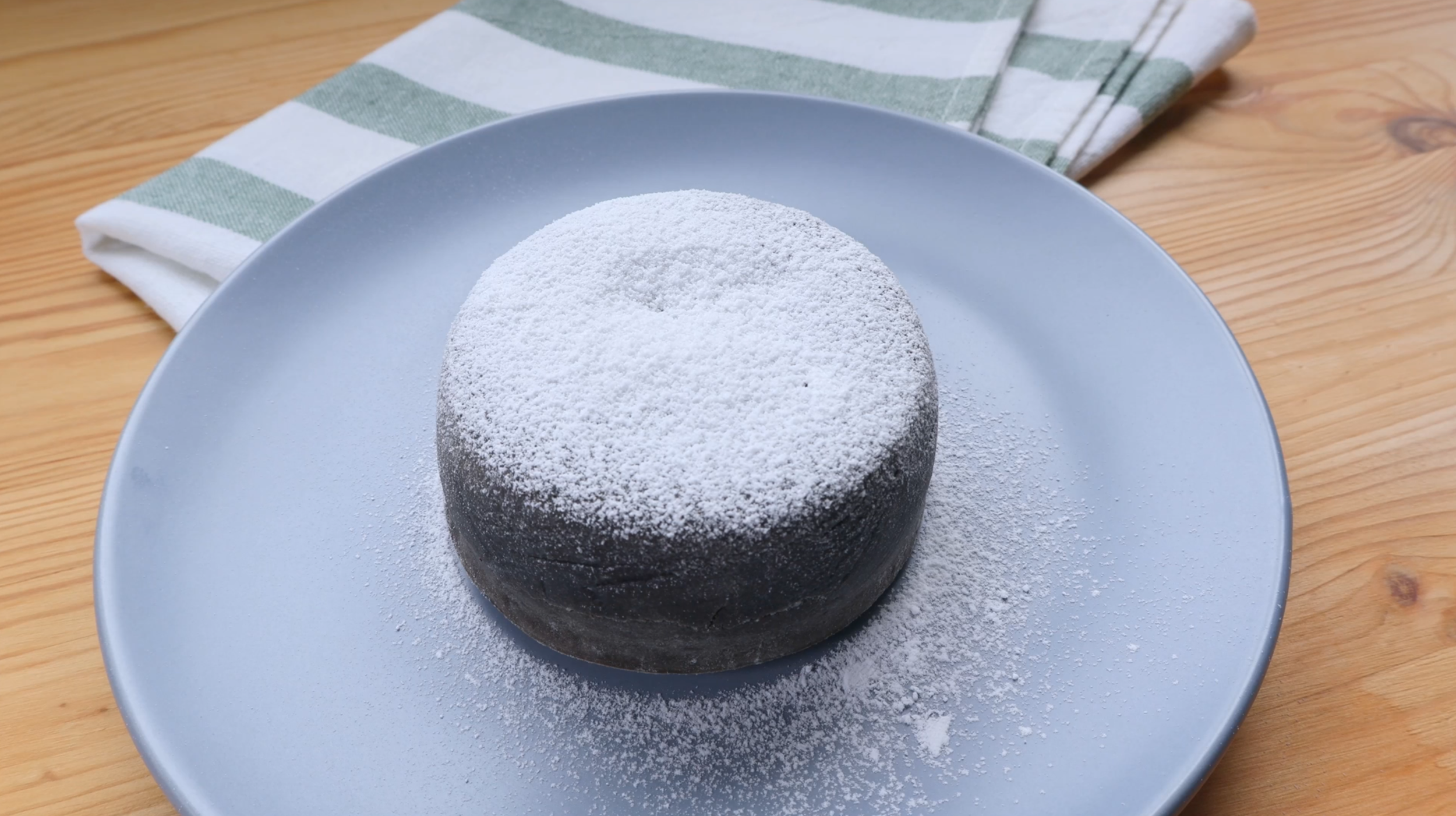
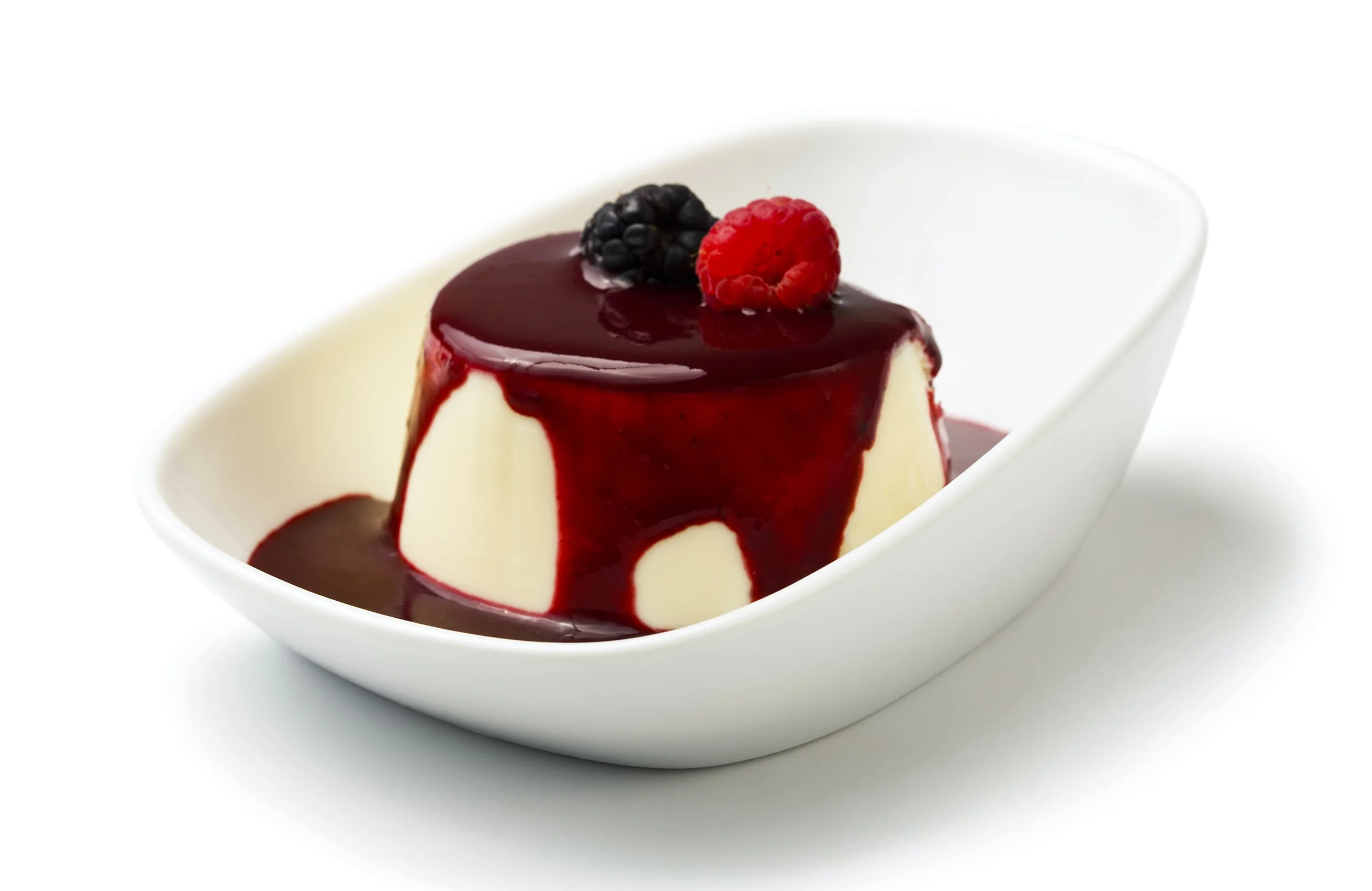
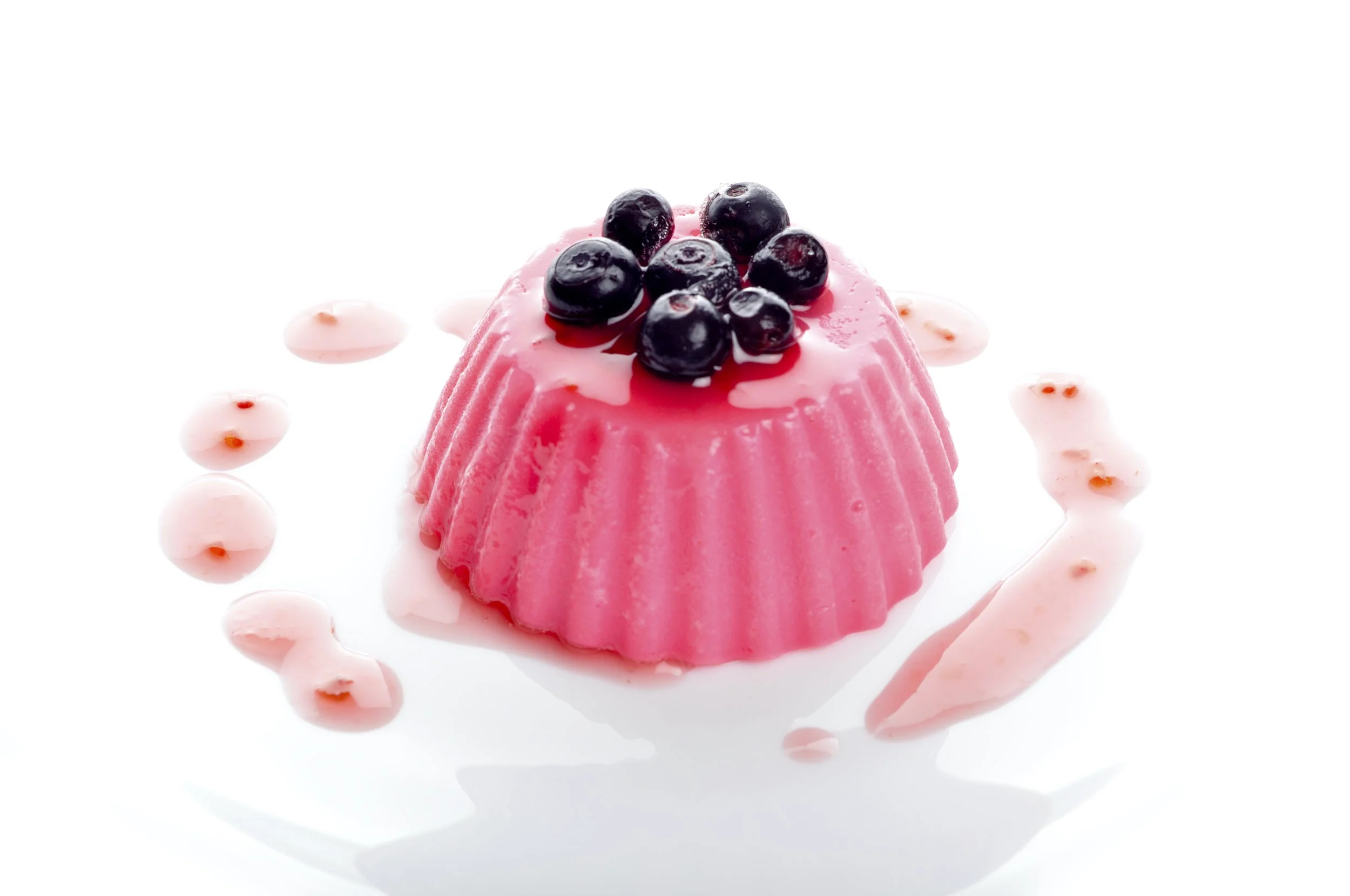
Dairy and Dairy-Alternative Desserts — Forms elastic, creamy gels in flans, custards, and panna cottas. Provides clean-cut heat-stable gels for plated desserts.
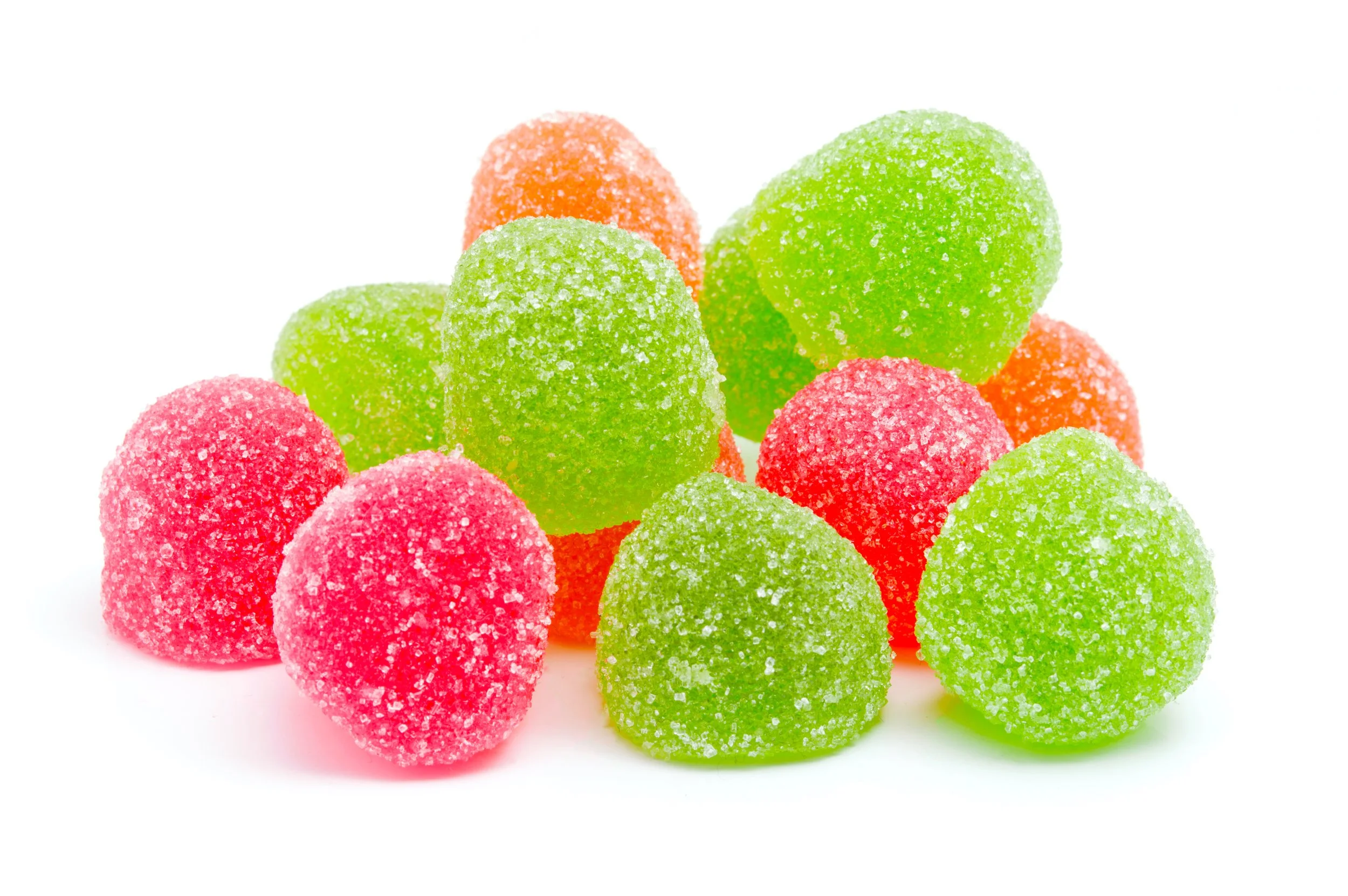
Confectionery and Gelled Candies — Creates firm, heat-stable gels in gummies and jelly candies. Enables vegan/vegetarian “gelatin-free” confectionery.
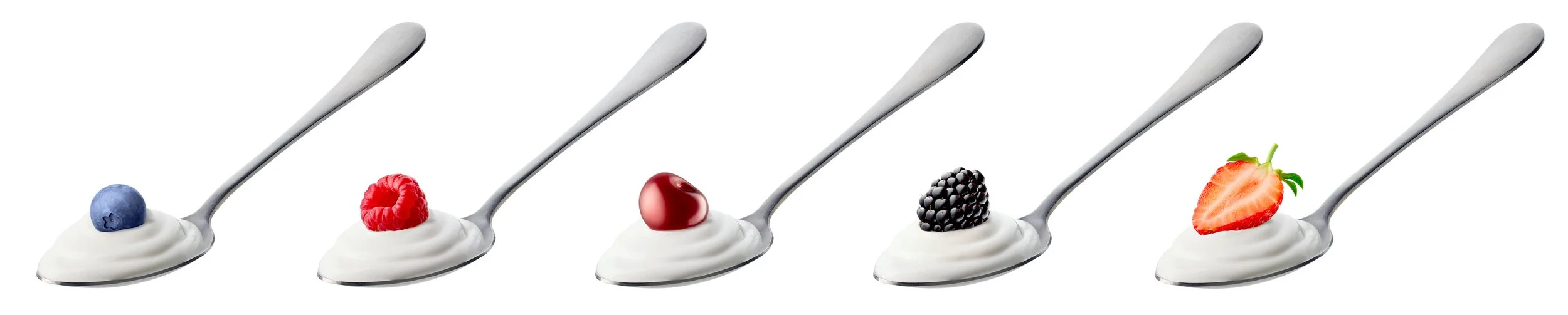
Yogurts and Spoonable Fermented Products — Builds spoonable, creamy texture in dairy and vegan yogurts. Helps stabilize fruit preparations and inclusions in layered products.
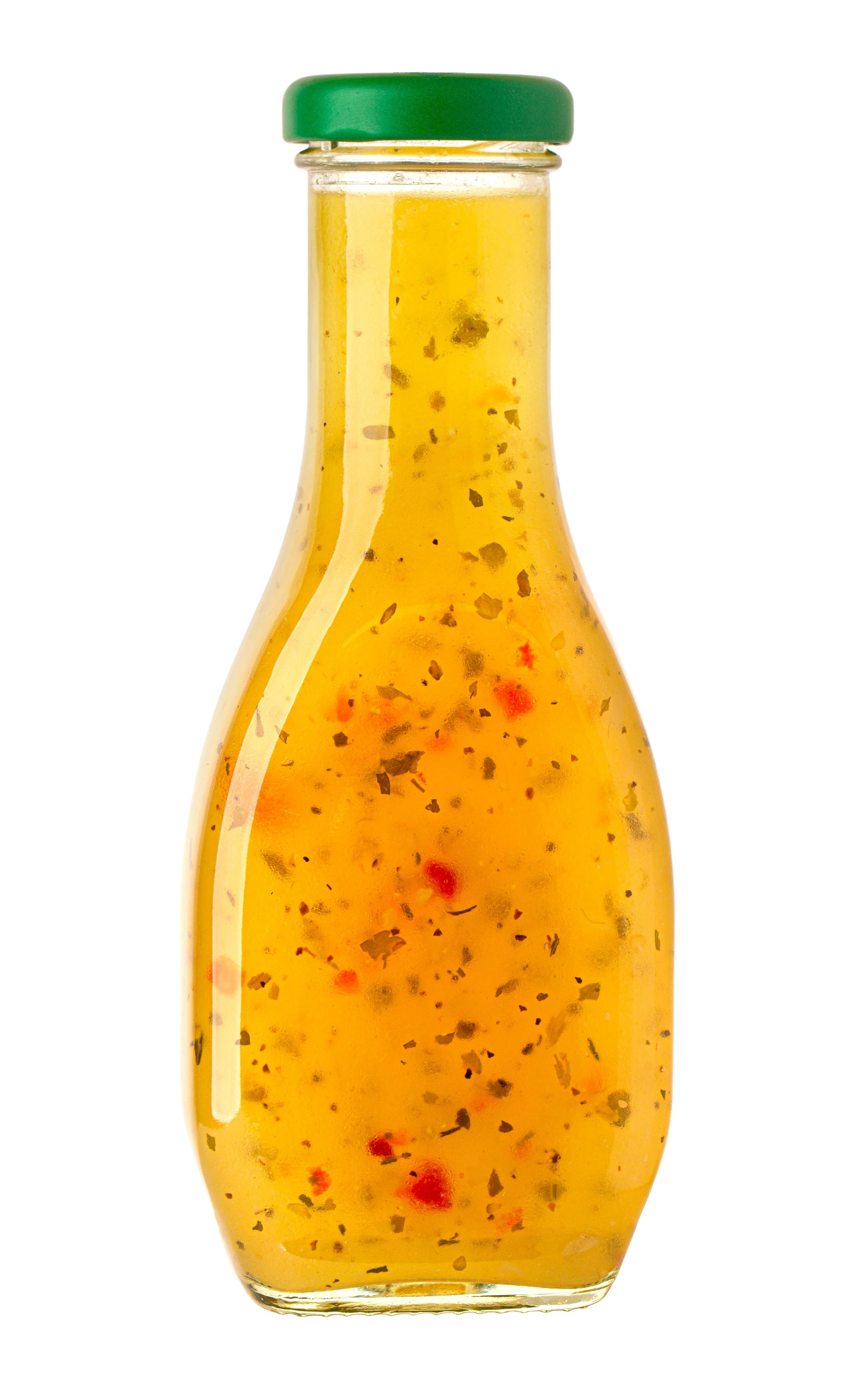
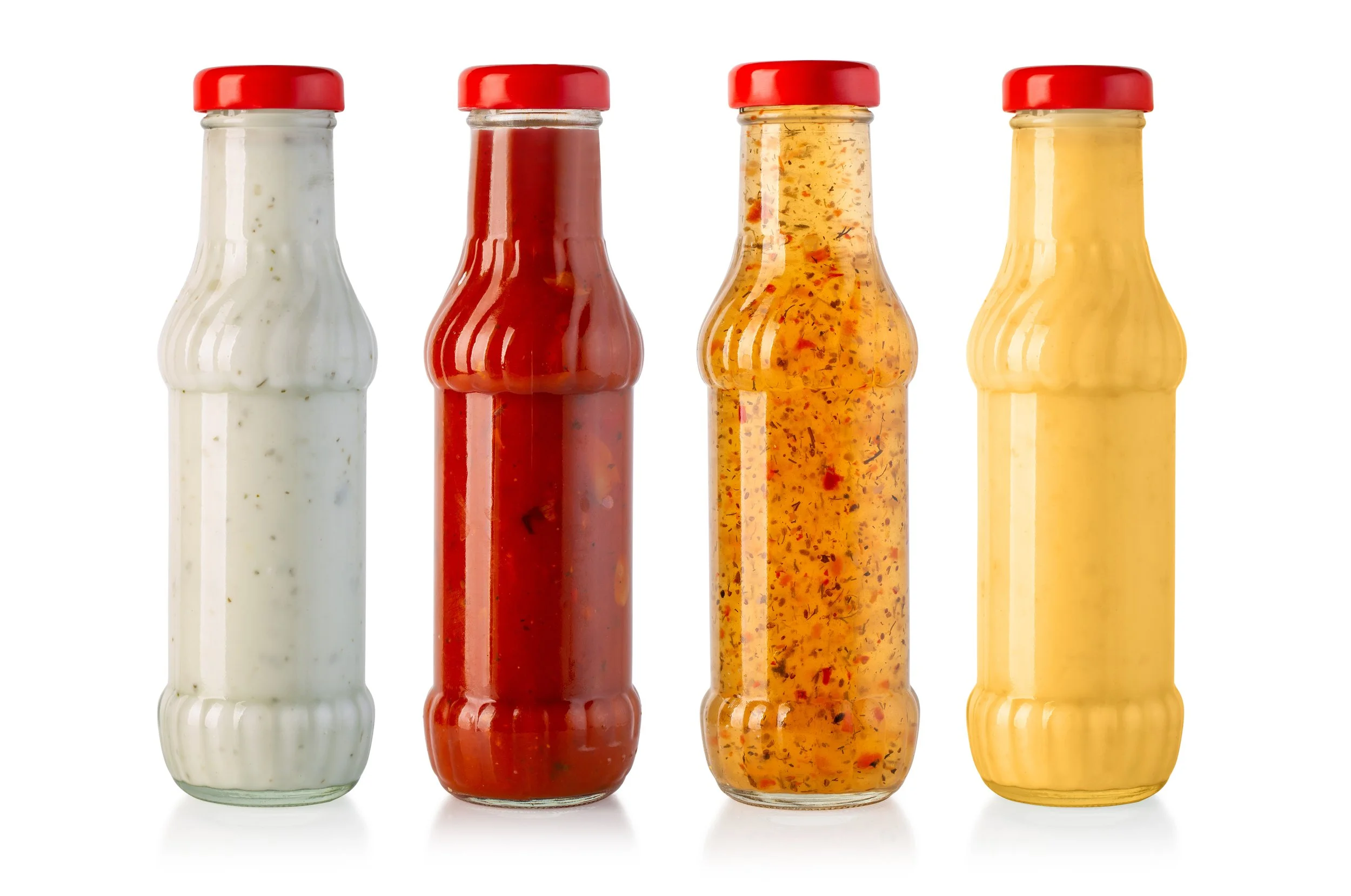
Sauces, Dressings and Culinary Gels — Provides controlled viscosity in sauces and dressings. Creates fluid gels and clear glazes with precise texture.
Applications — Cosmetics/Personal Care/Industrial


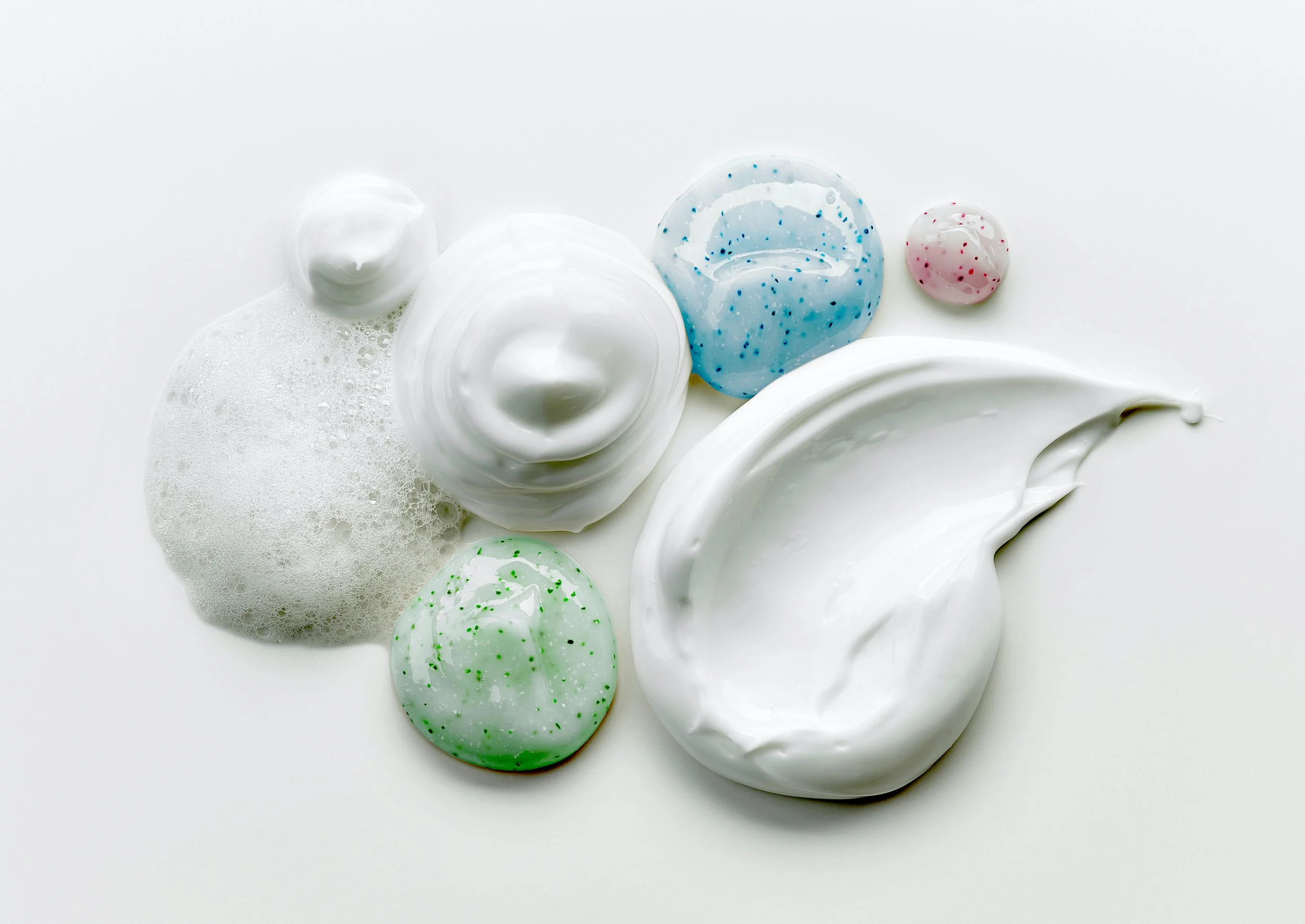
Personal Care and Cosmetics — Works as a thickener and stabilizer in gels, serums and creams. Used for smooth, clear or opaque gels in skincare and hair products.
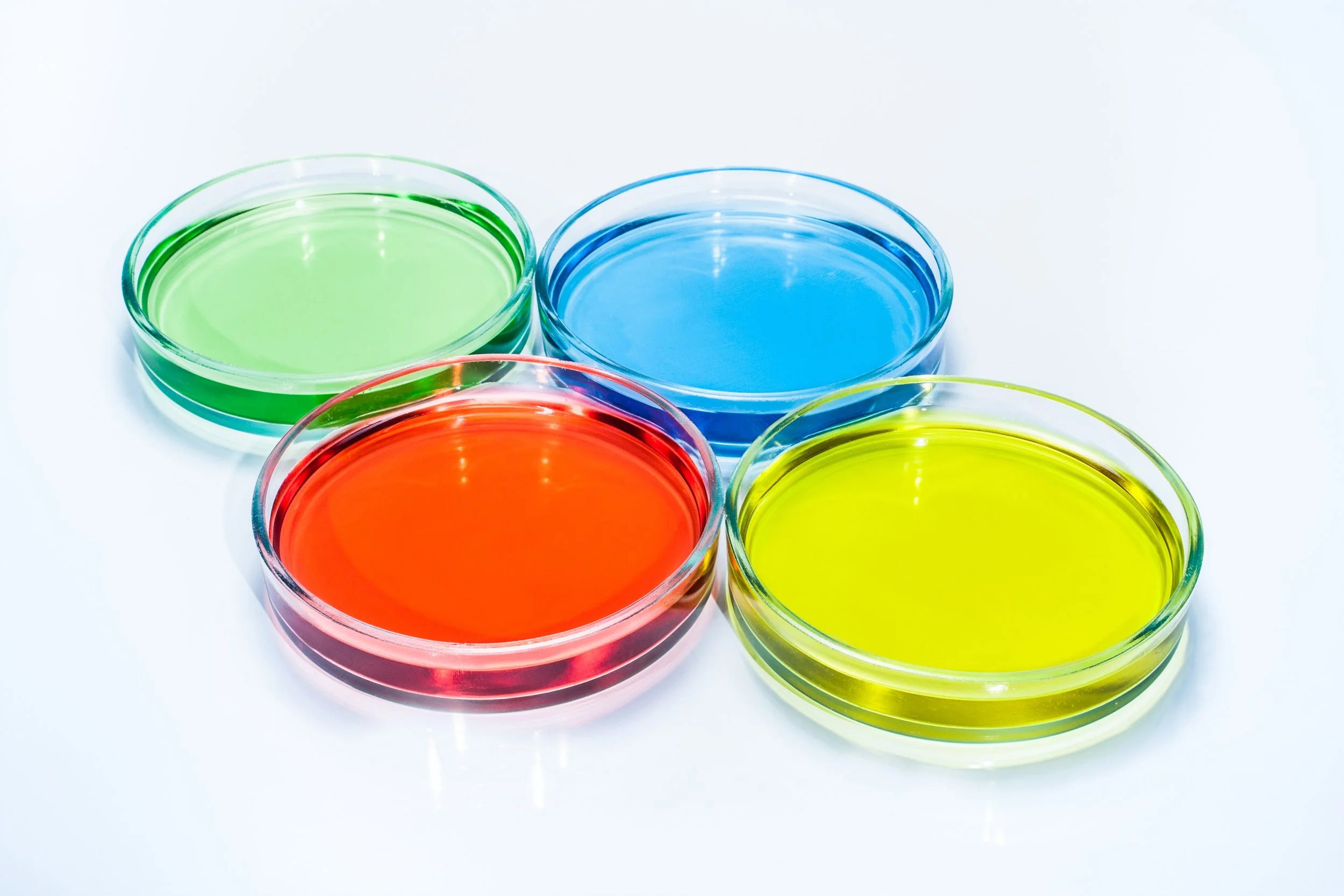
Air Fresheners and Culture Media — Forms clear, elastic gels in car and room air fresheners. Used as a gelling base for plant and microbial culture media.