
Konjac Gum
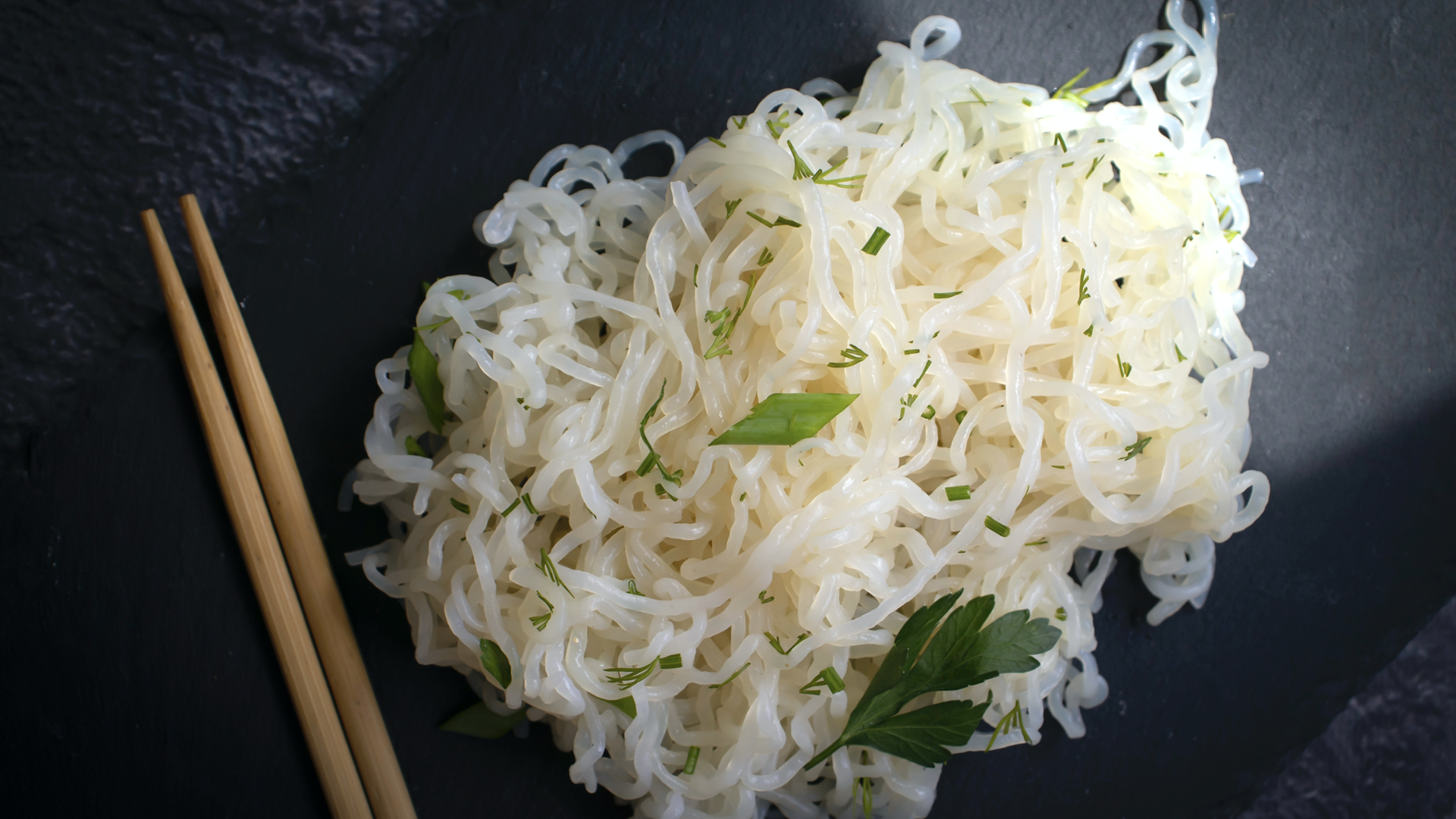
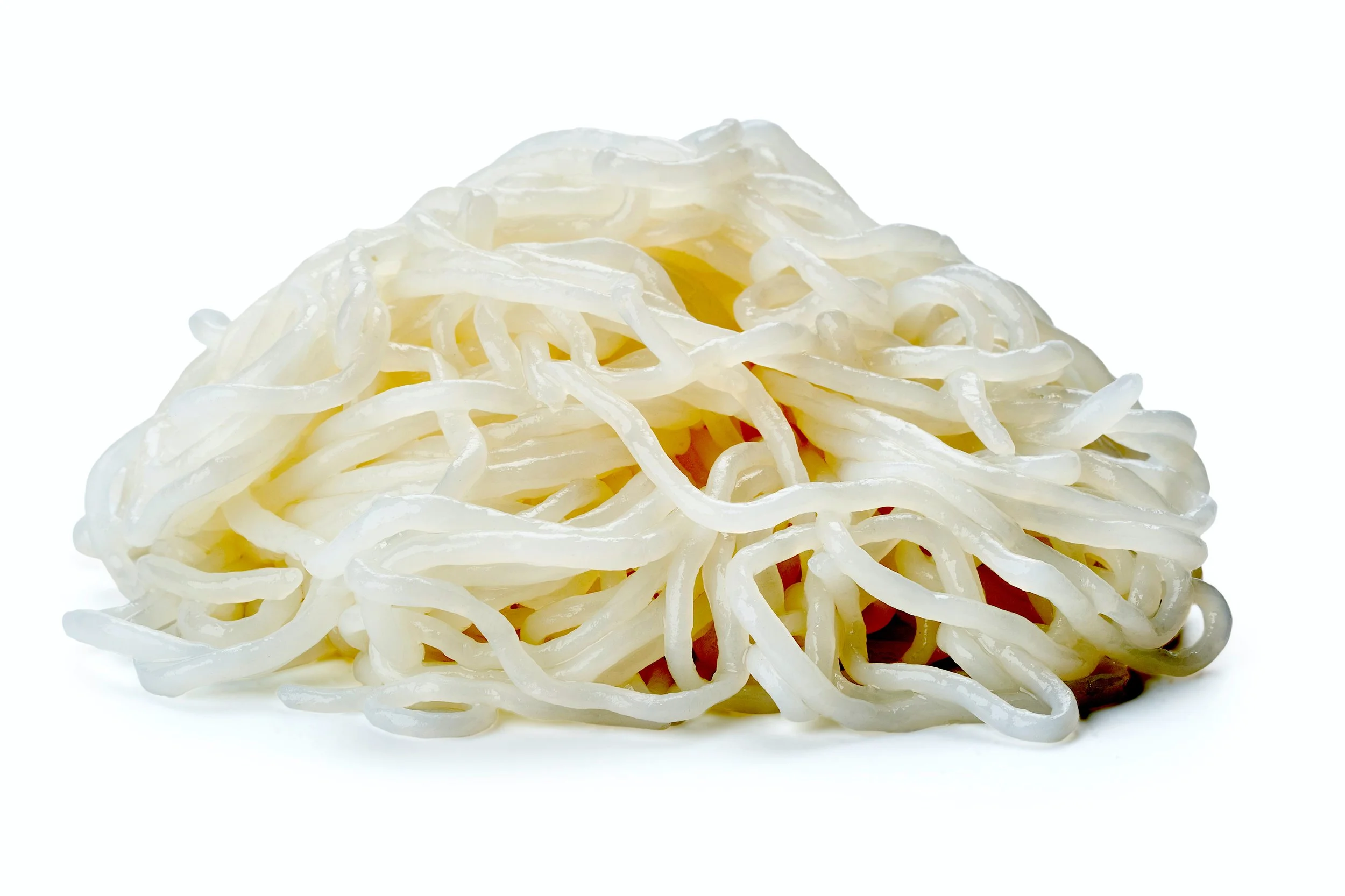
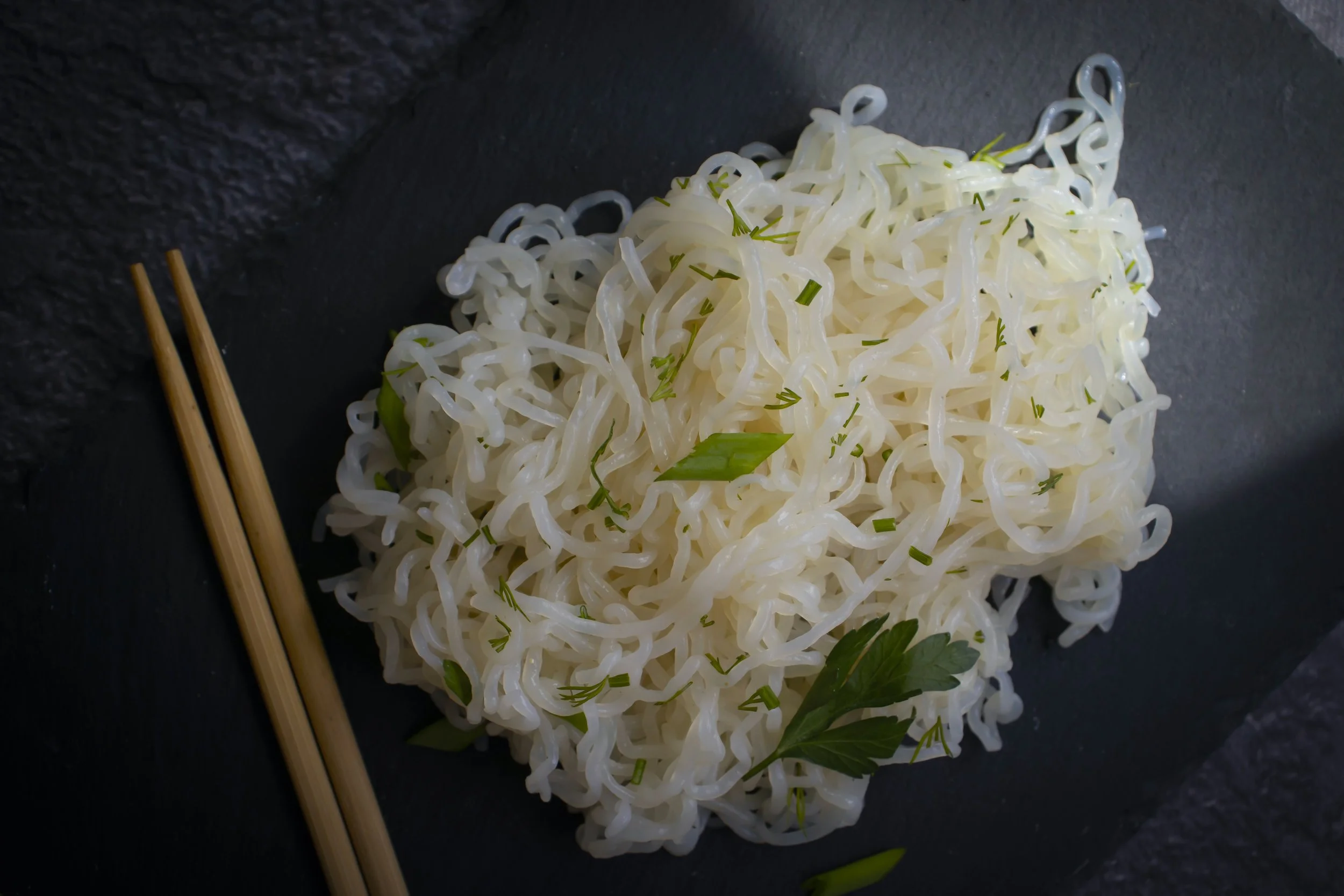
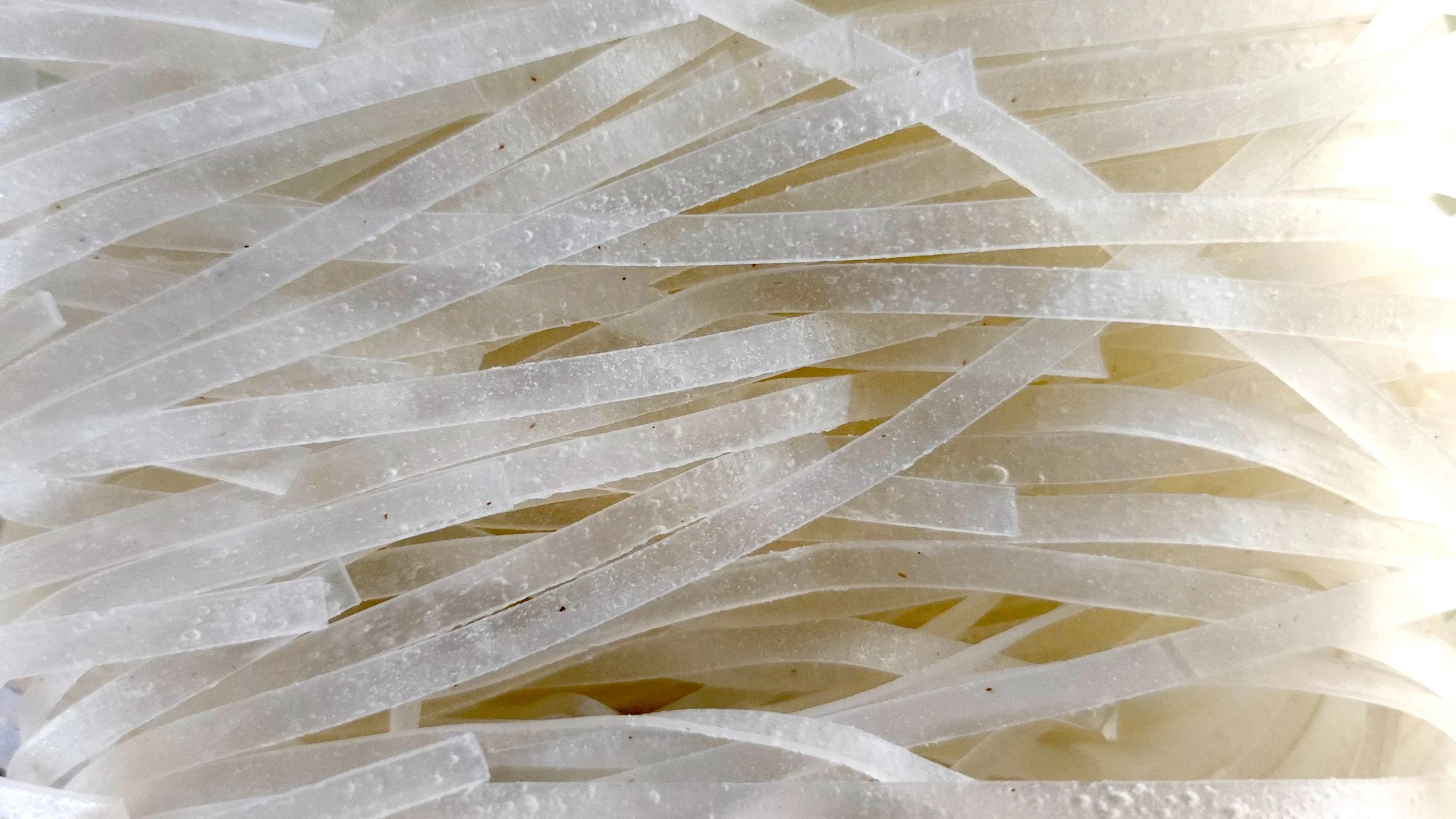
Konjac Gum is a naturally occurring, water soluble hydrocolloid dietary fiber extracted from the root of the Amorphophallus konjac plant, native to Asia. It is composed primarily of a polysaccharide called glucomannan, which gives it the remarkable ability to absorb water, thicken liquids and form elastic gels. It can create a viscosity that is up to ten times higher than that of corn starch. When it is combined with alkaline agents, and heated, it forms firm, heat resistant gels, which makes it ideal for forming shirataki noodles.
Konjac Gum functions as a thickening and gelling agent by forming gels and adding body to sauces, fillings and desserts. In binding water, it is able to hold a lot of water, which helps keep products moist and improves shelf life.
In baked goods and noodles, it provides texture improvement by adding elasticity, chewiness and structure. It boosts dietary fiber while lowering digestible carbohydrates in finished foods, which allows for it to function as a fiber enrichment ingredient.
Konjac Gum is often used with other ingredients like Xanthan Gum, Carrageenan, or starches, because it can create stronger or more elastic textures in combination rather than when it is used on its own. A small amount can make a big difference, so it is usually used at low levels in formulas.
Konjac Gum is self-affirmed GRAS and evaluated through agency notice GRN No. 407.
Applications — Food
Noodles and Pasta — Improves elasticity, reduces breakage and supports rapid rehydration in noodle systems. It is commonly used in shirataki, instant noodles, rice noodles, and dough-based products. Also used in low-carb specialty products for high-fiber diets.
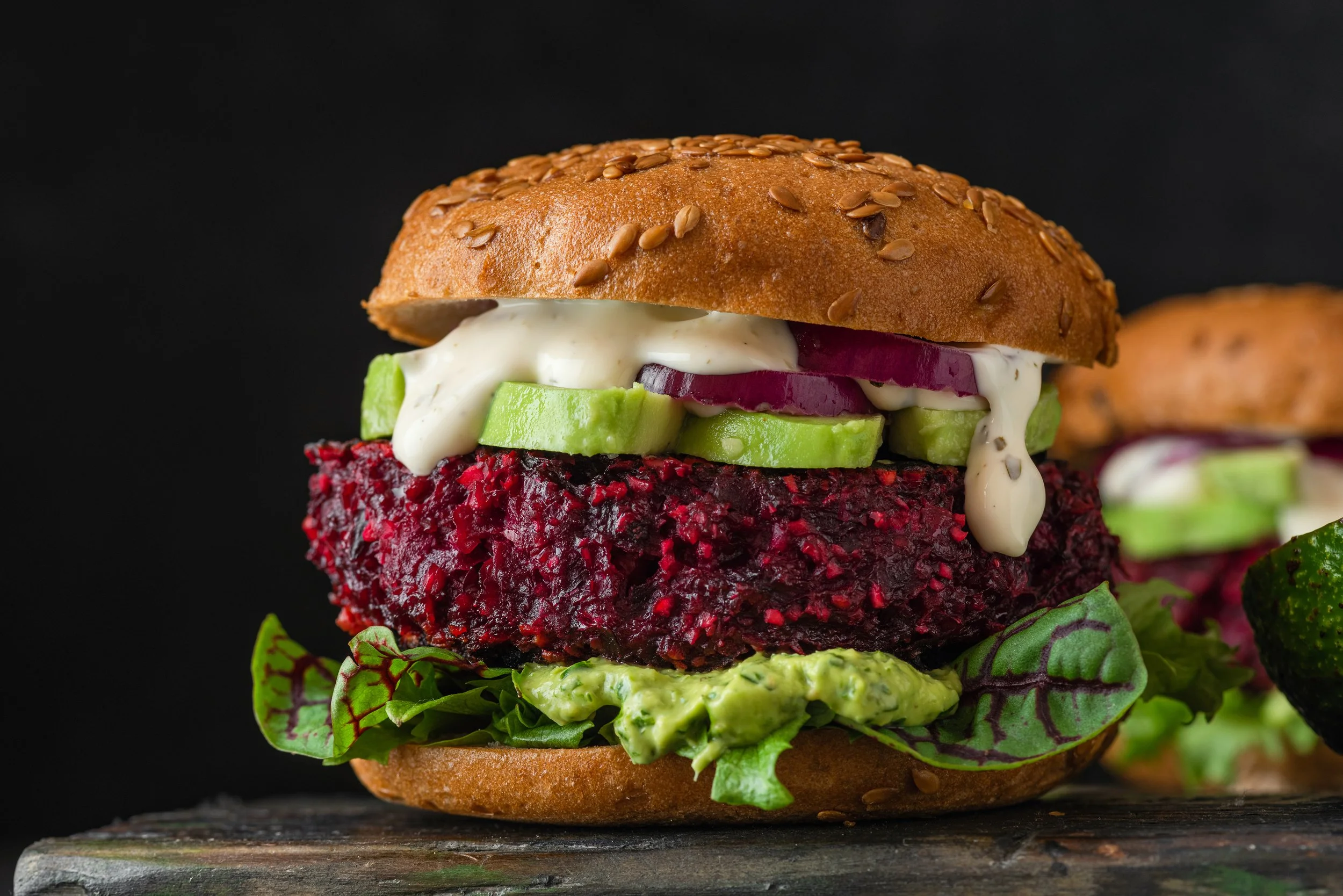
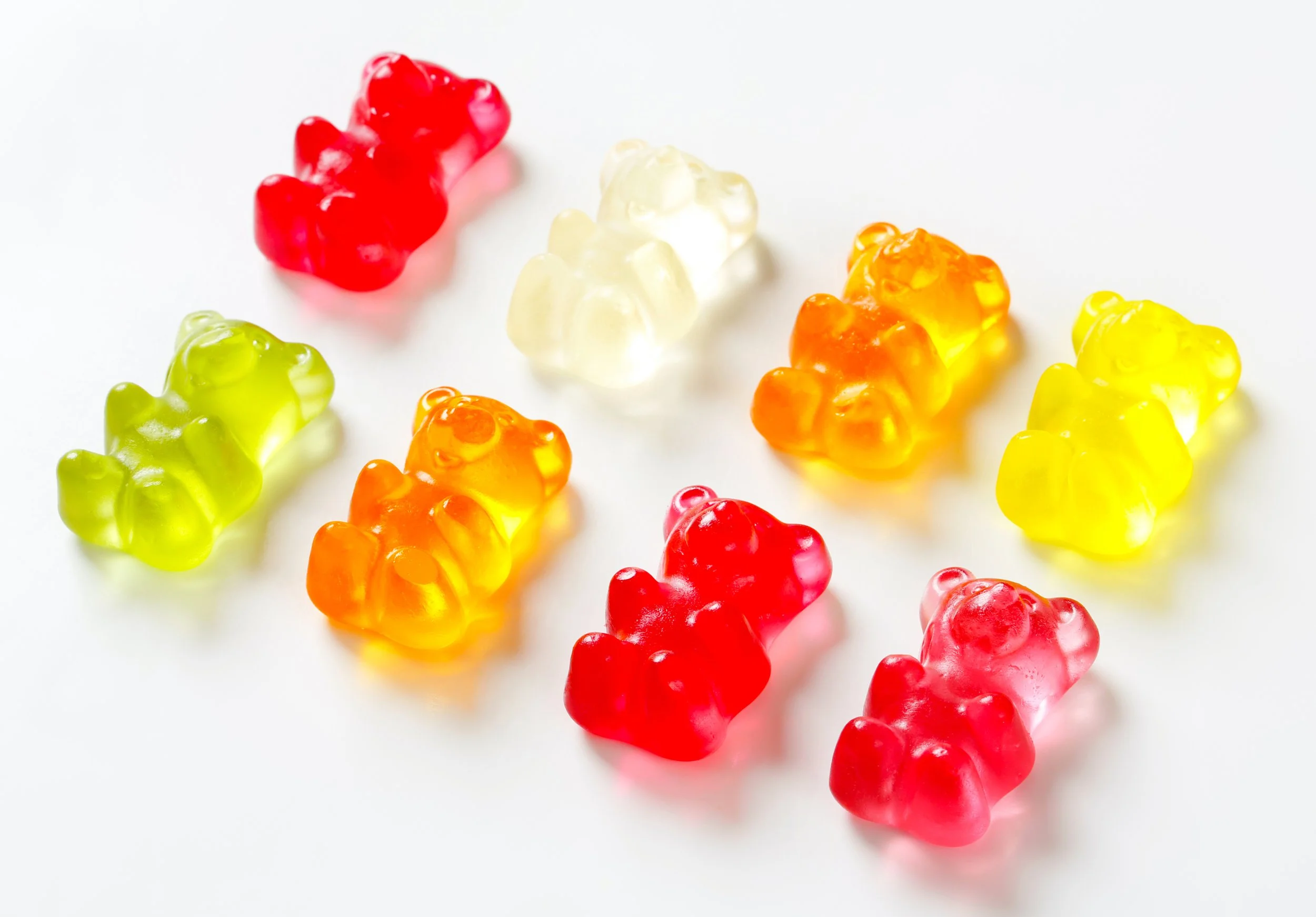
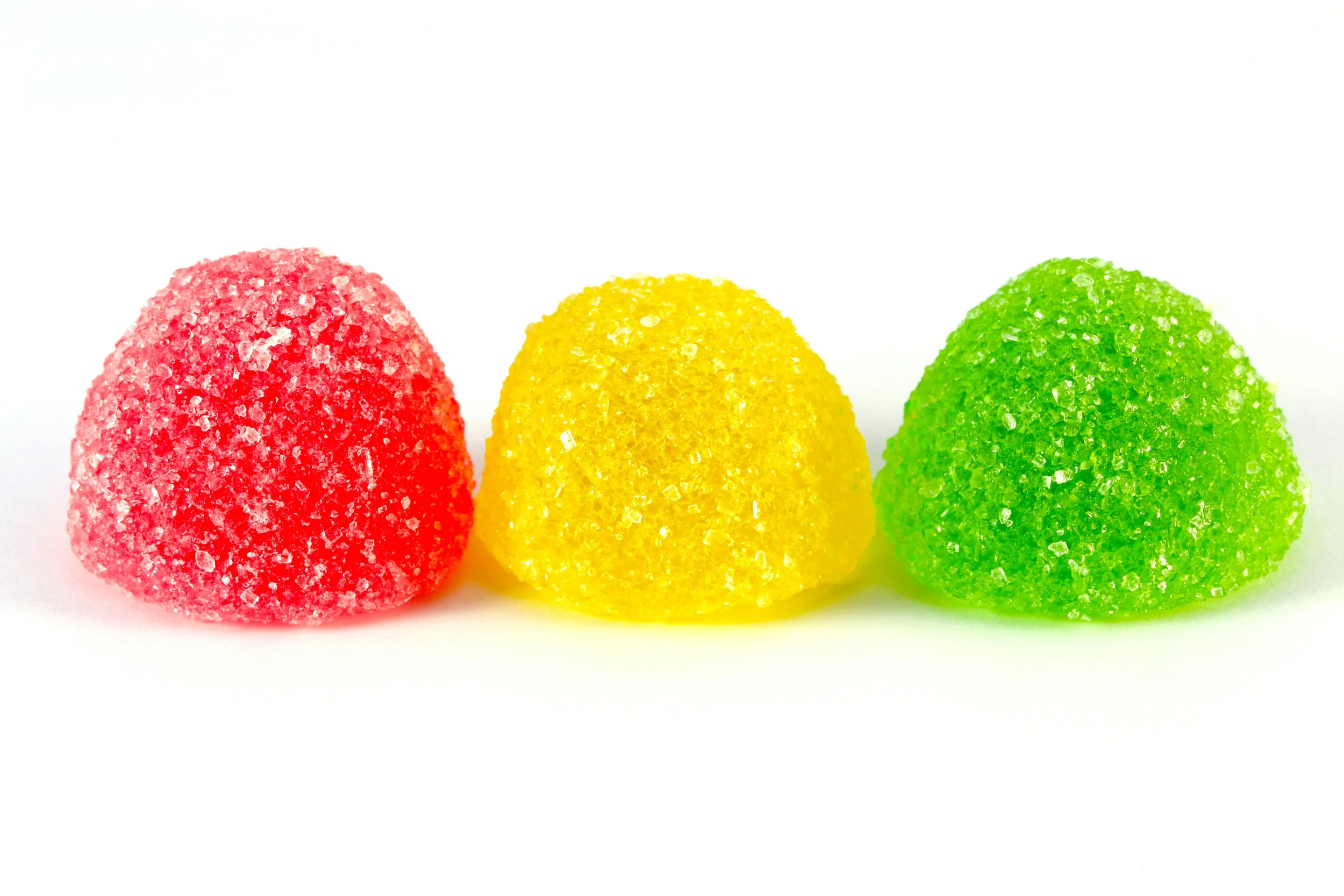
Confectionery, Jellies, and Dessert Gels — Forms strong elastic gels in jellies, gummies and puddings. Works as a vegan option ingredient for providing gelling and texture.
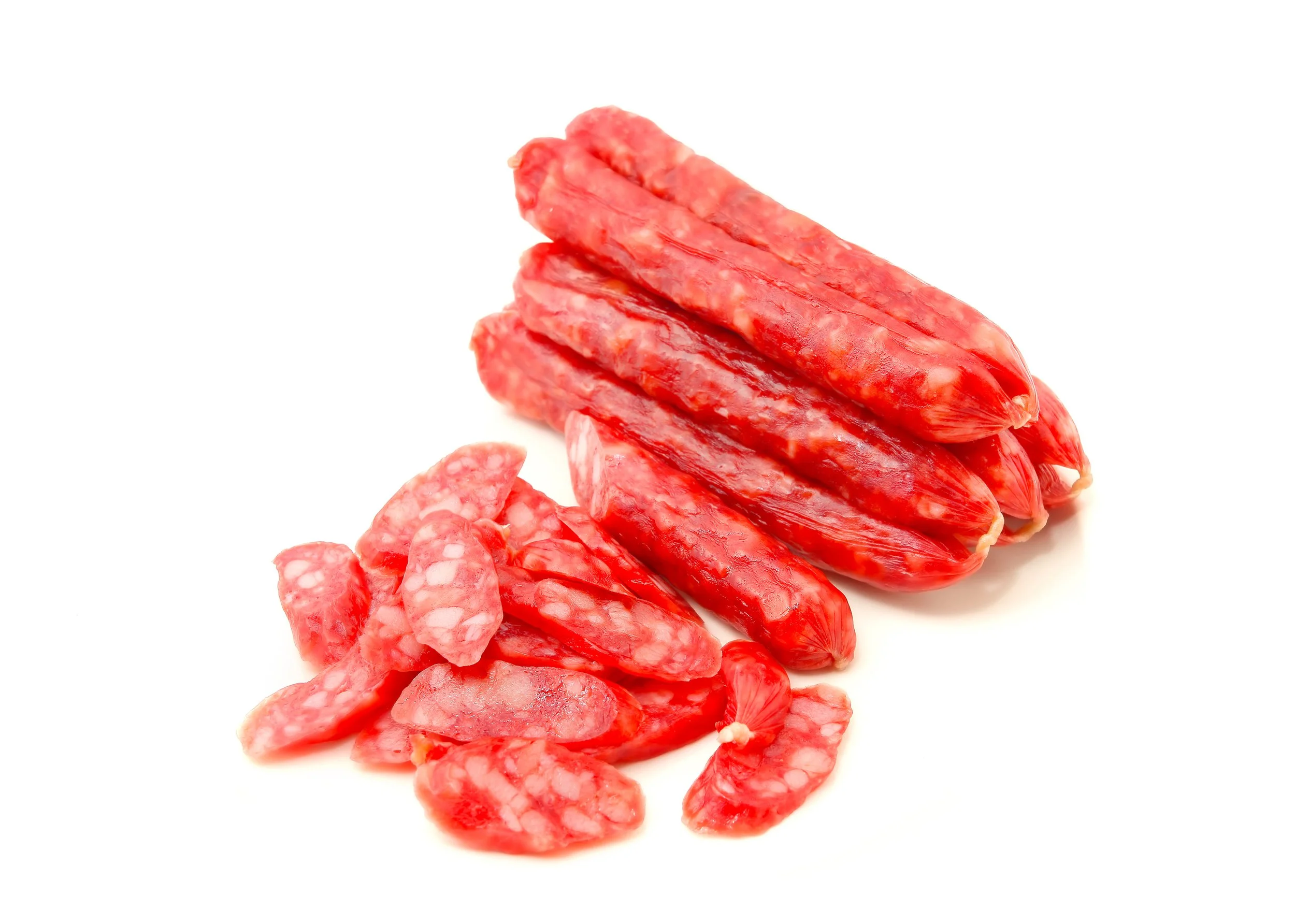
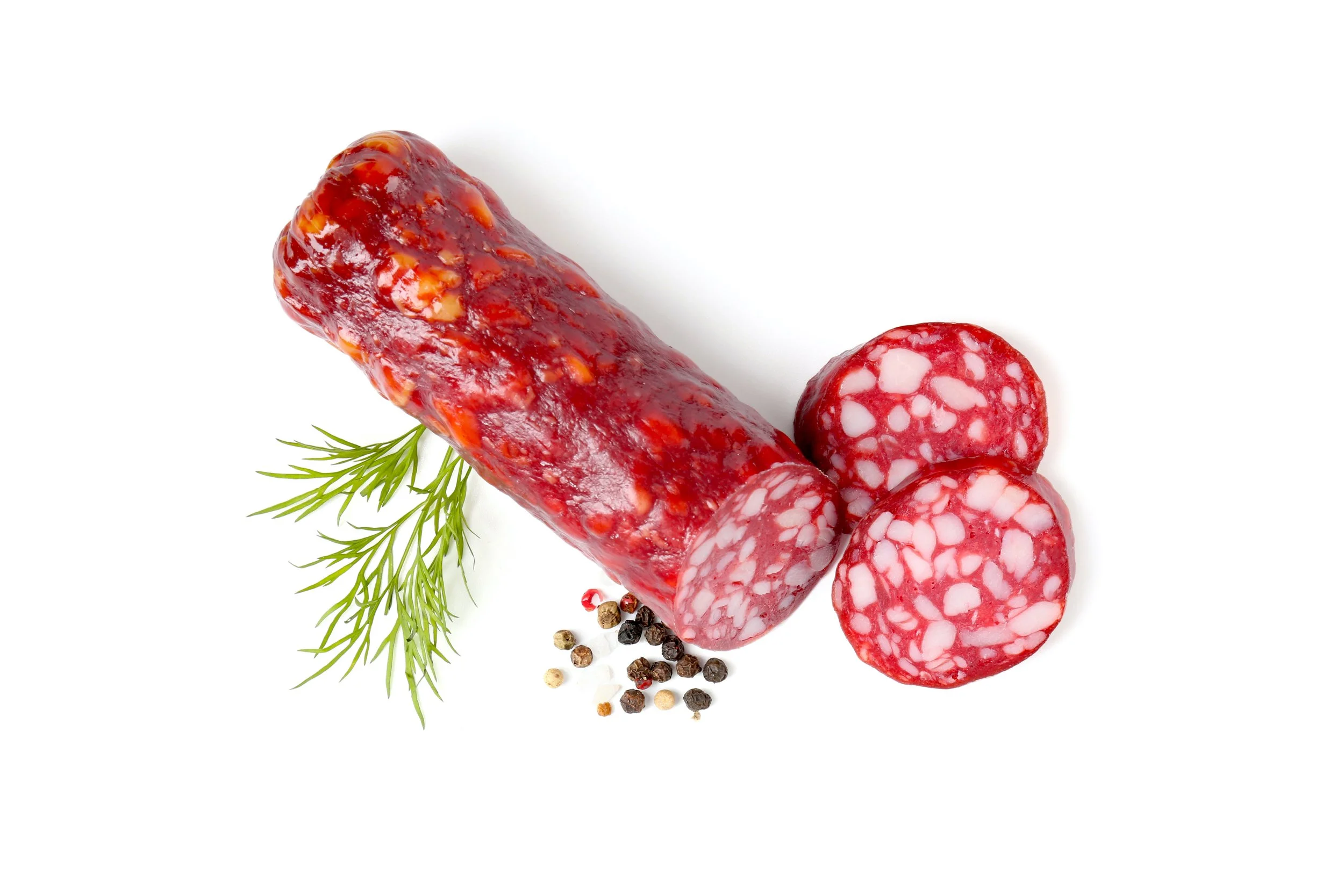
Meat Products/Meat Analogs/Meat Alternatives — Binds water and improves cohesion in sausages, ham, fish balls and restructured meats. Works as a fat replacer, while maintaining juicy texture and yield.
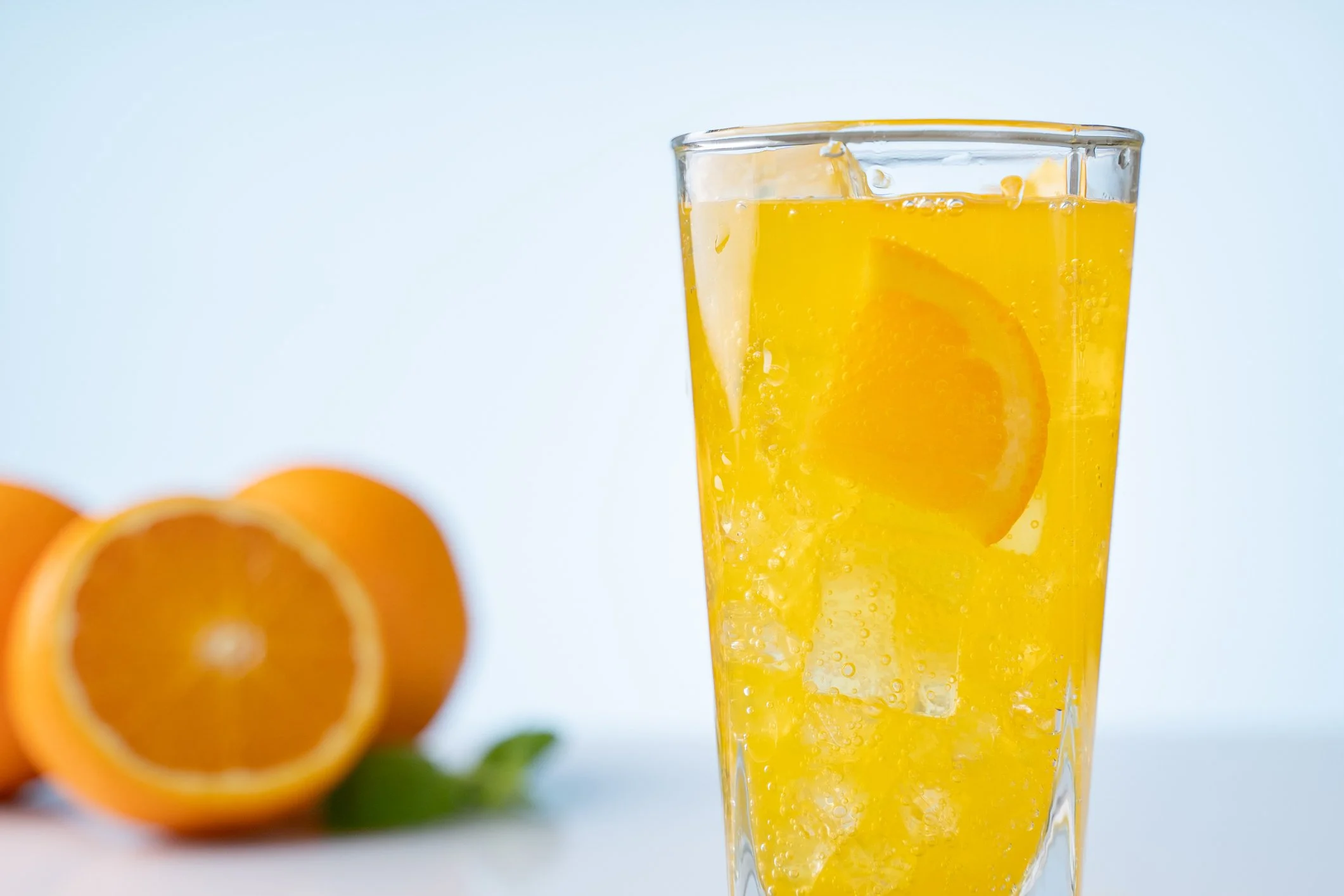
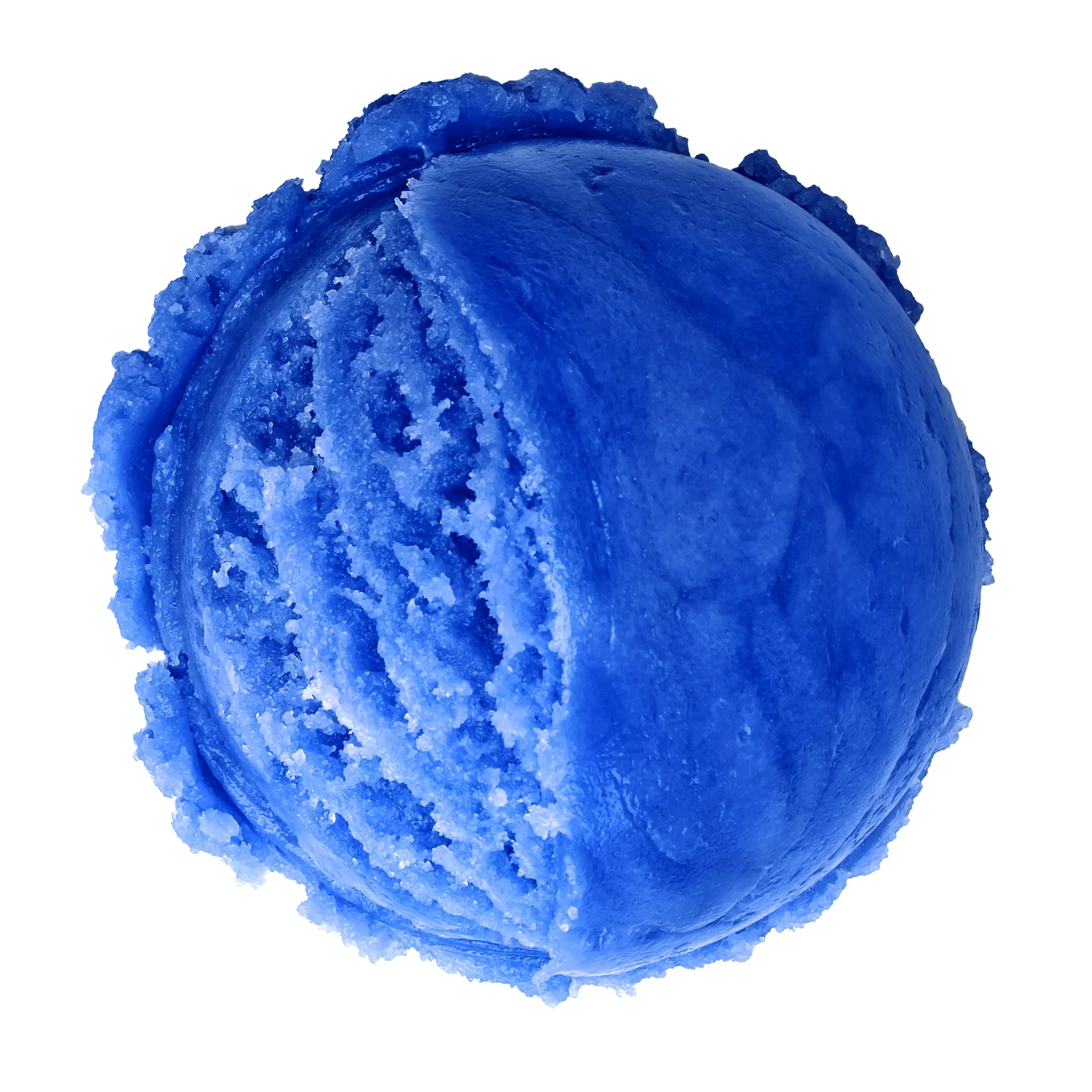
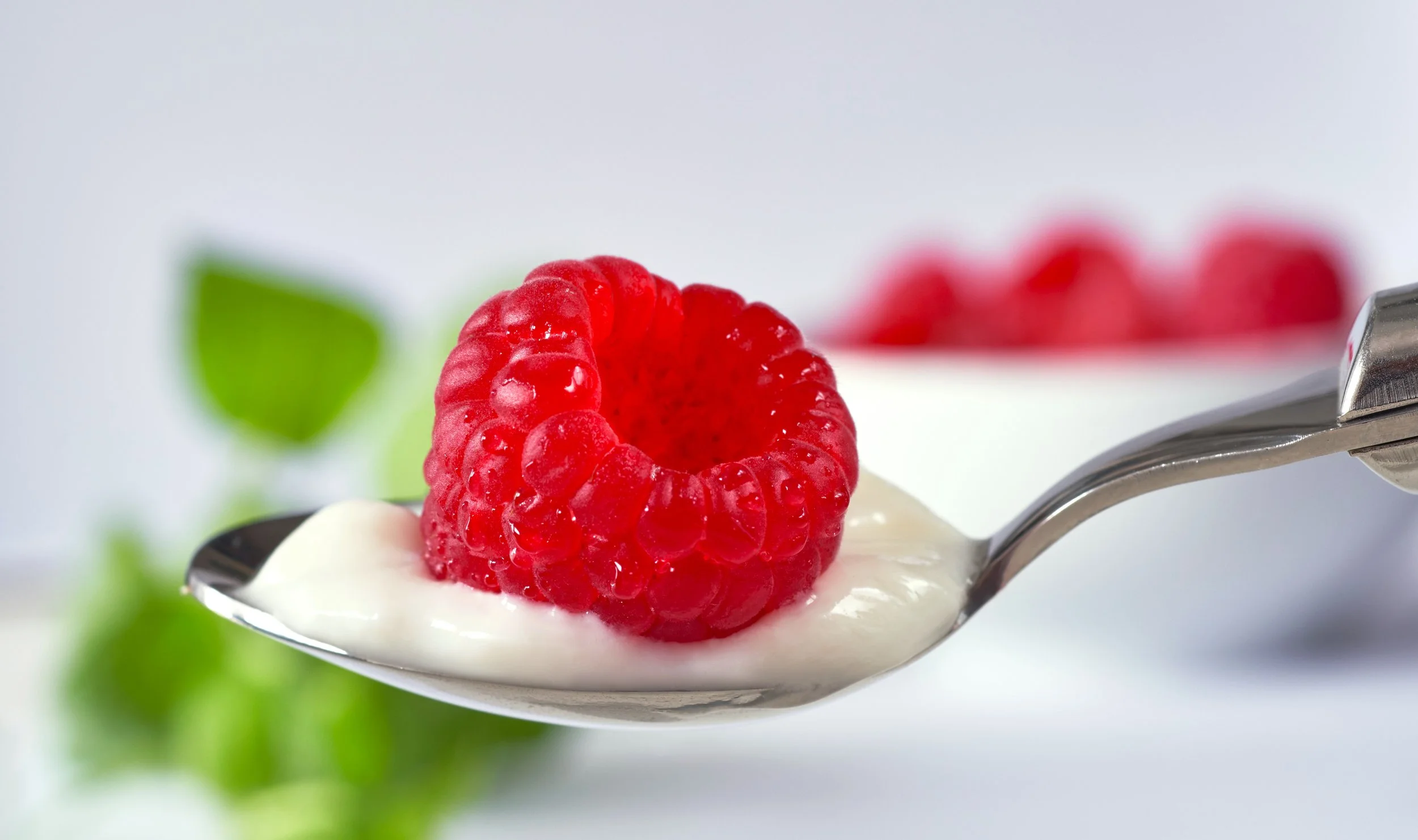
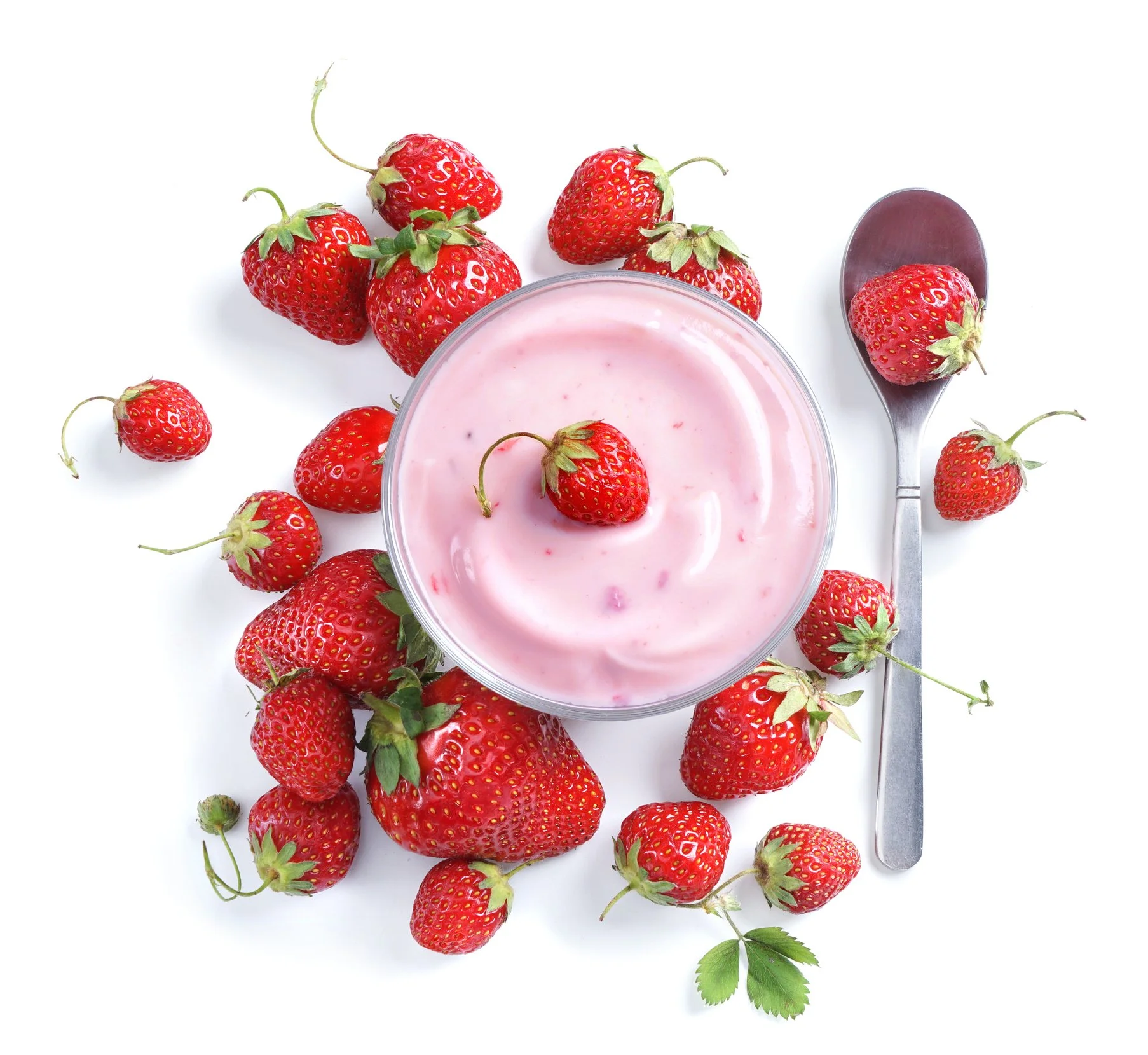
Dairy and Frozen Desserts — Stabilizes yogurt, ice cream and dairy-style desserts. Improves body, melt resistance, and controls syneresis.
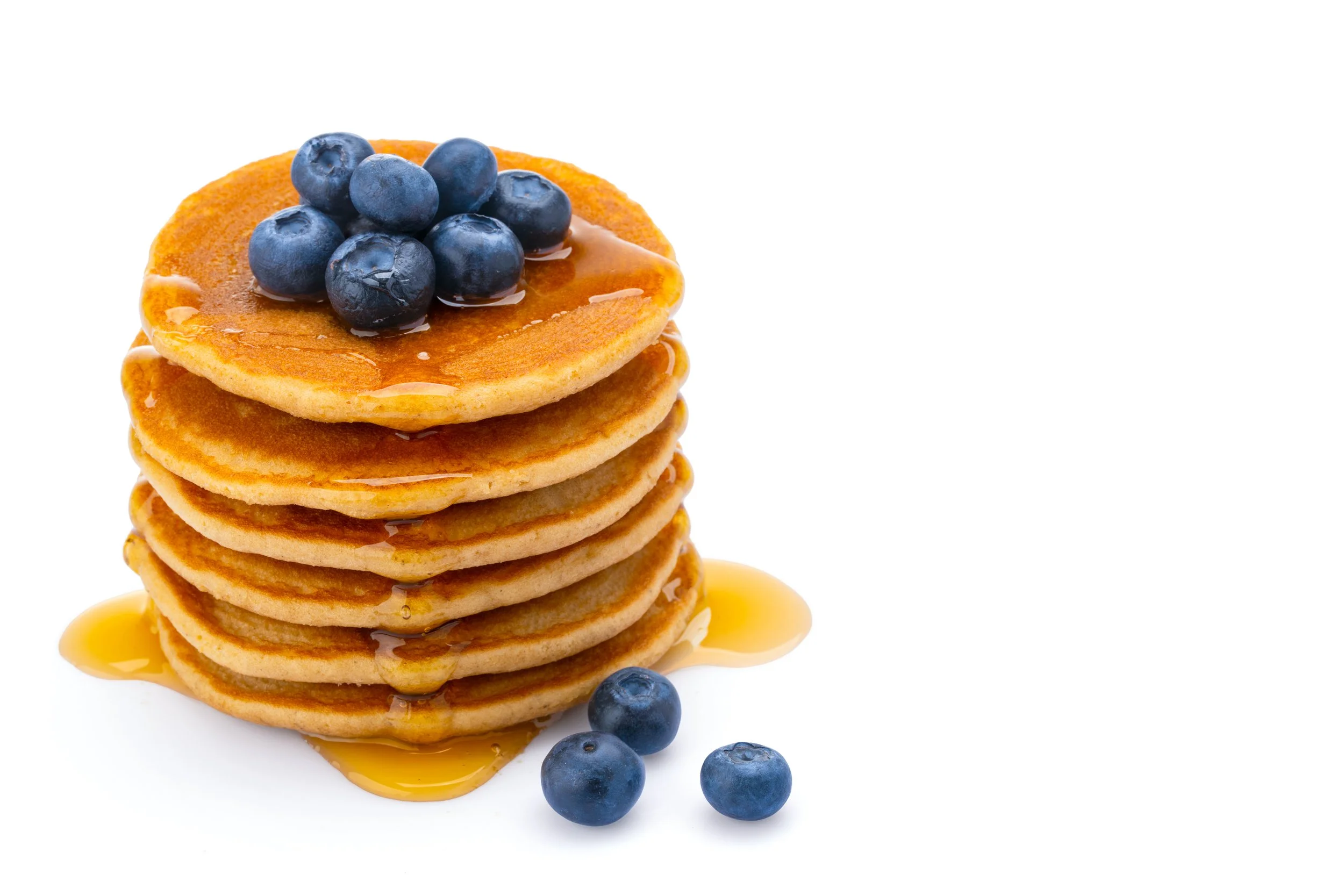
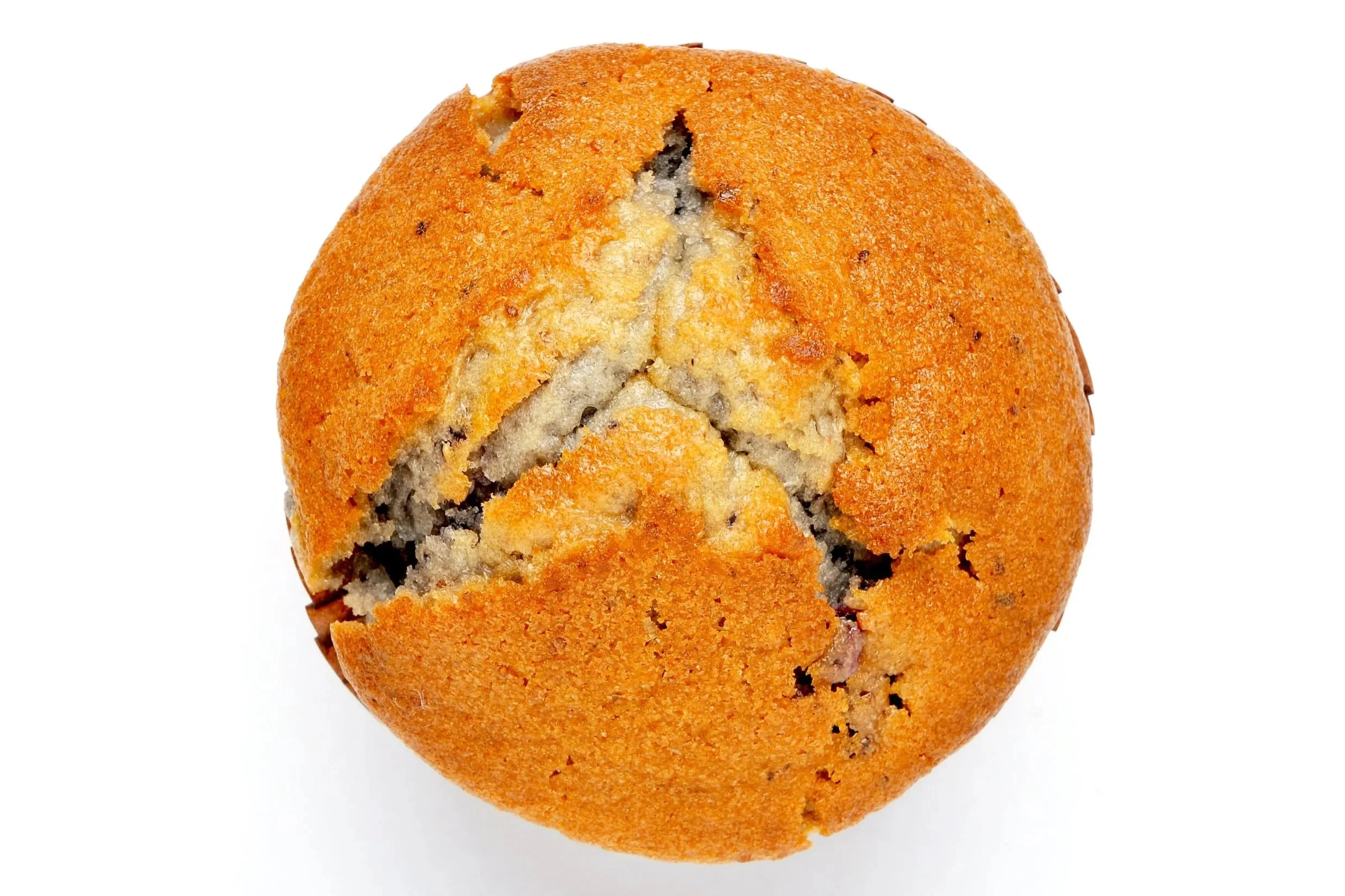
Bakery Products — Improves moisture retention and softness in cakes, breads, cookies and pastries. Used in gluten-free bread and other baked goods, such as pizza crust, pancakes, cookies and brownies. Helps extend shelf life and supports dough handling.


Applications — Cosmetics/Personal Care/Industrial
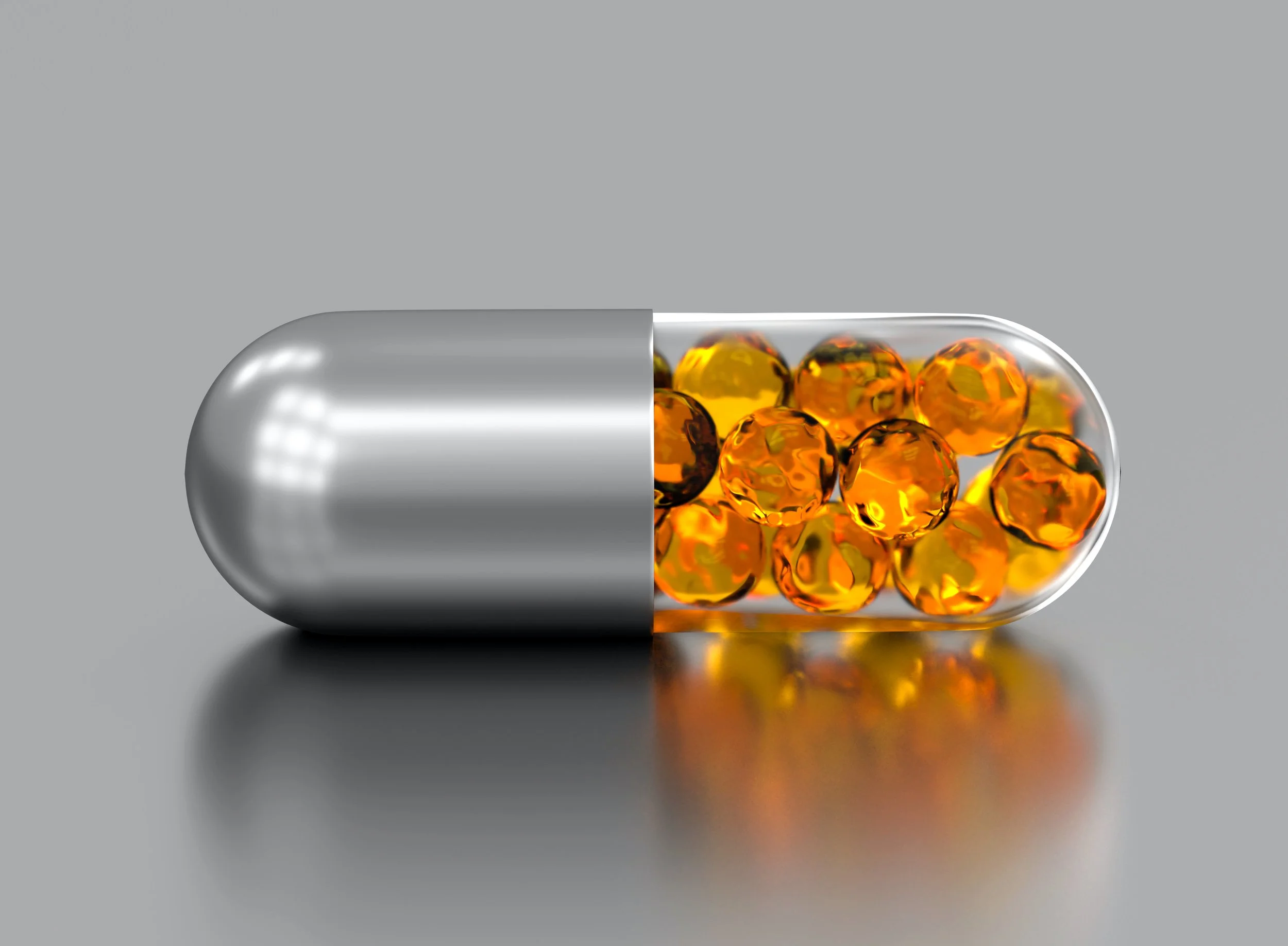

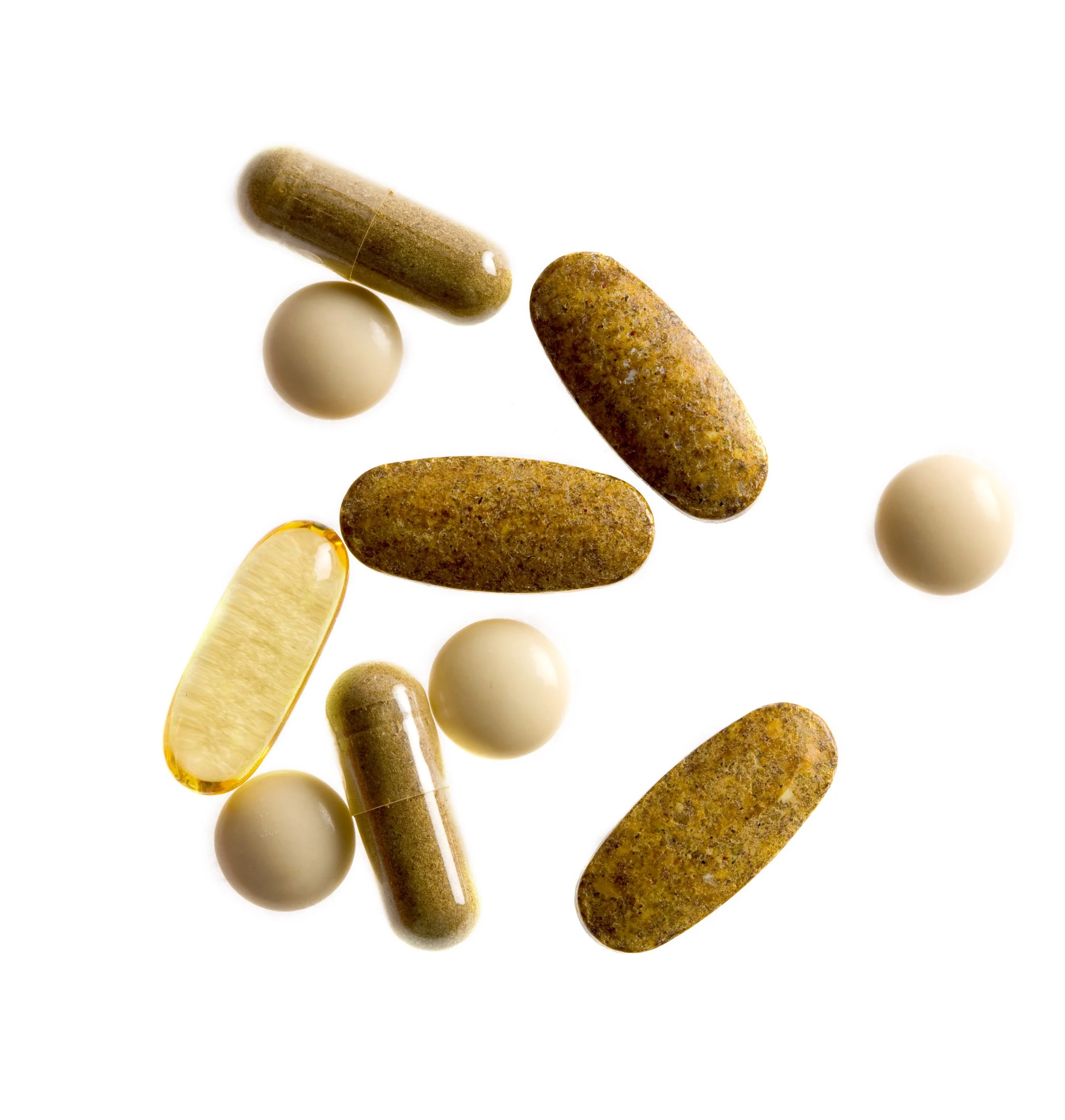
Pharmaceuticals — Works as a binder, excipient and controlled-release matrix in tablets and capsules. Also used as a dietary fiber ingredient in supplement systems.
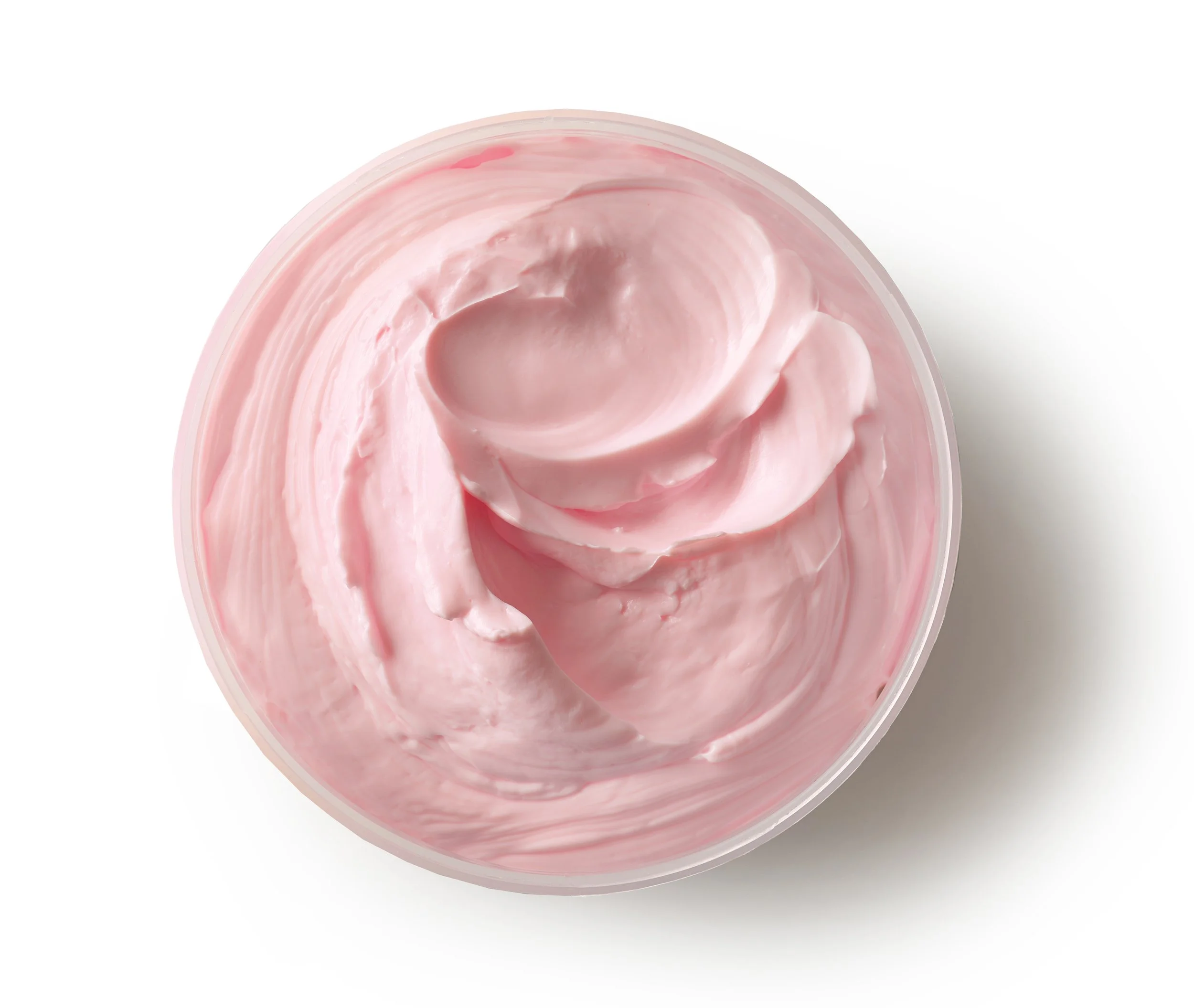
Cosmetics and Personal Care — Helps build smooth texture and hydration in gel and emulsion systems. Works as a thickener, film former and stabilizer in creams, lotions, serums and masks.