


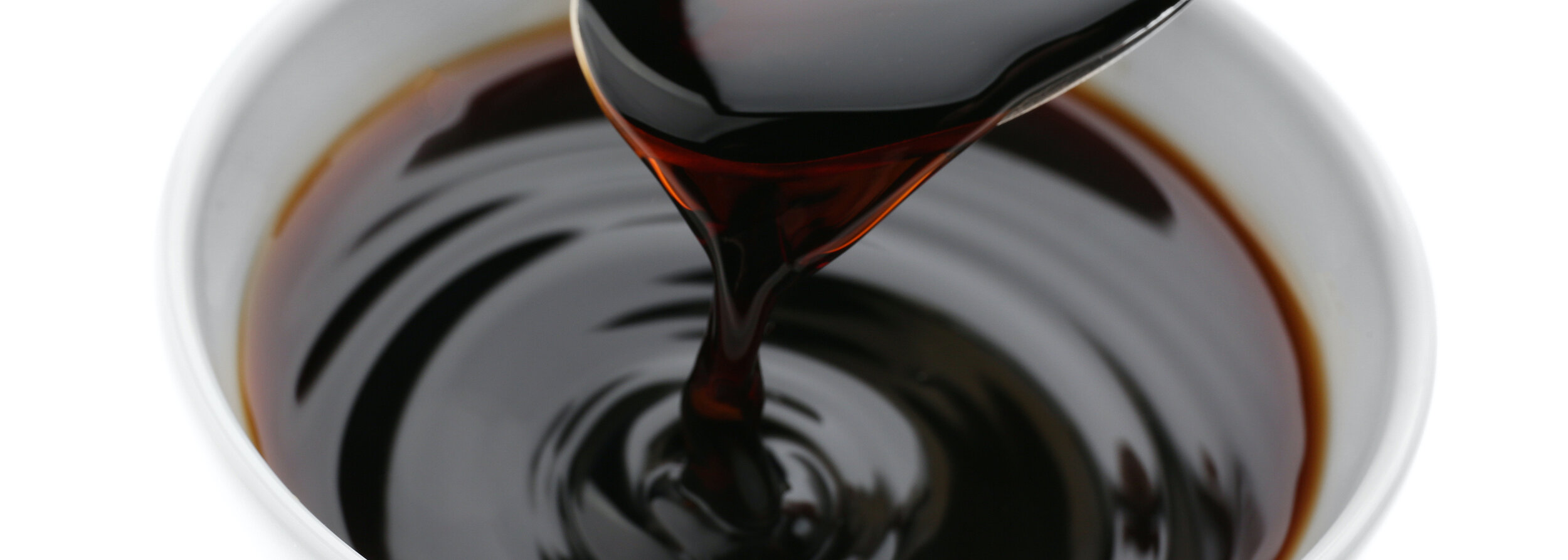

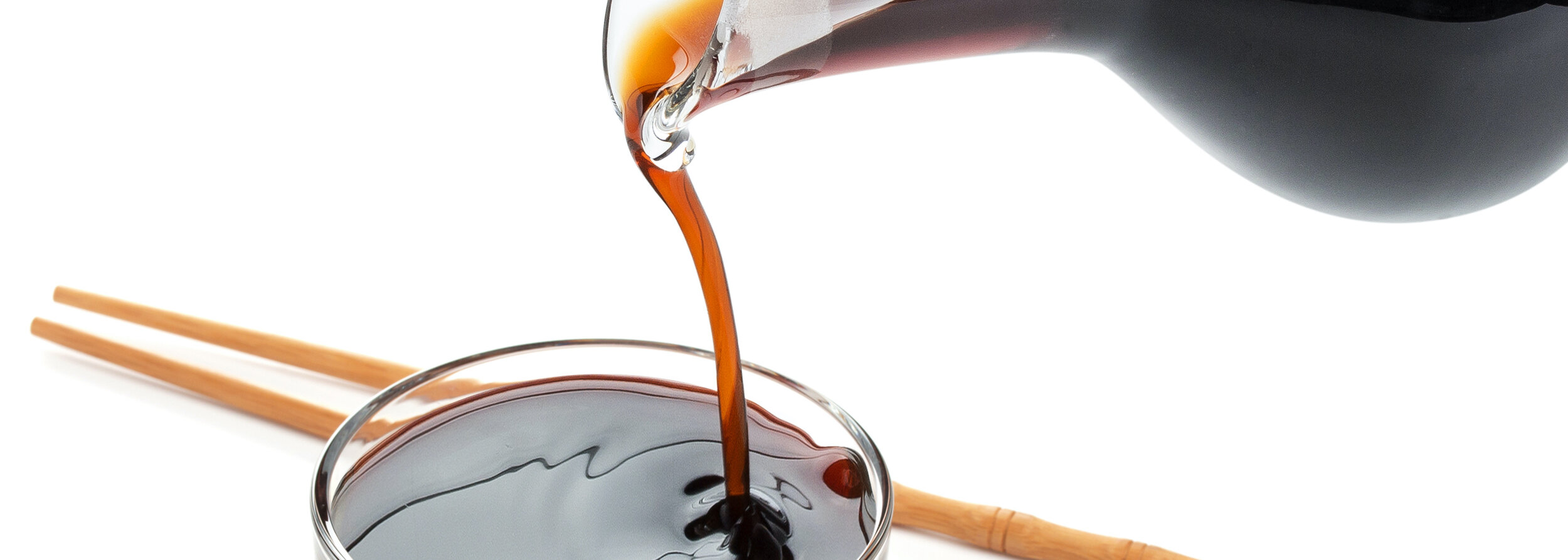

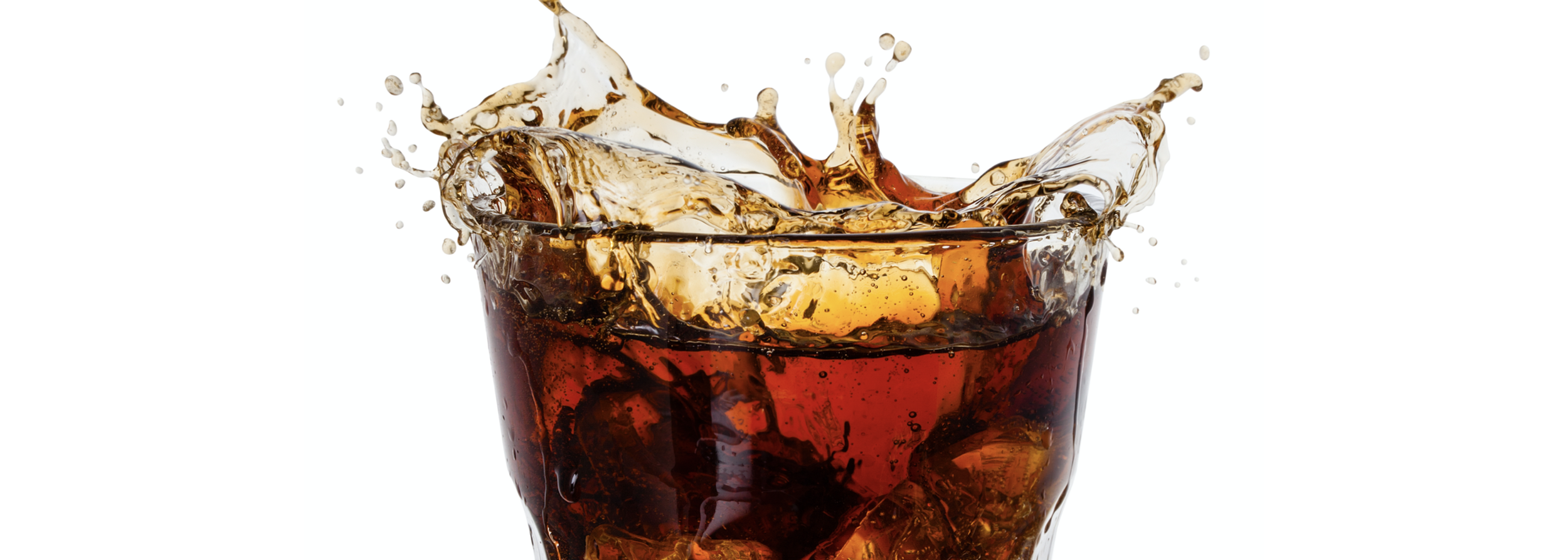
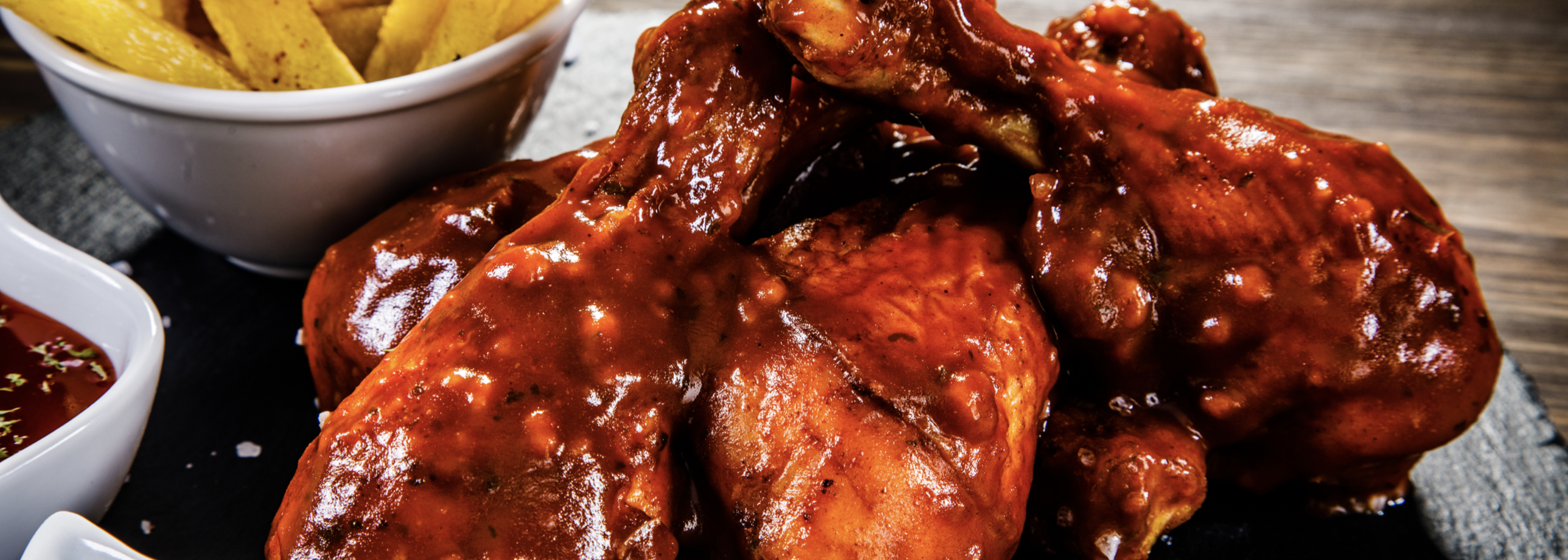


Caramel color is made by the carefully controlled heating process of food-grade carbohydrates, including: dextrose, invert sugar, lactose, malt syrup, molasses, starch hydrolysates and sucrose. Food grade acids, alkalis and salts may also be used to assist in the carmelization process.
There are four different types or classes of caramel. The classification is based upon how the caramel color is produced. They are: Class I (A) Plain Caramel; Class II (B) Sulfite Caramel; Class III (C) Ammonia Caramel and Class IV (D) Sulfite Ammonia Caramel.
Caramel colors are very stable water soluble colorants with very good functionality and performance in all applications, and provide a range of brown shades, from light golden-brown shades to dark, intense reddish brown shades. They are used in a wide variety of applications, including bakery, beverages, cereals, confectionary, dairy, prepared foods, and pet foods.
Caramel colors are available in liquid and powder forms.
Applications
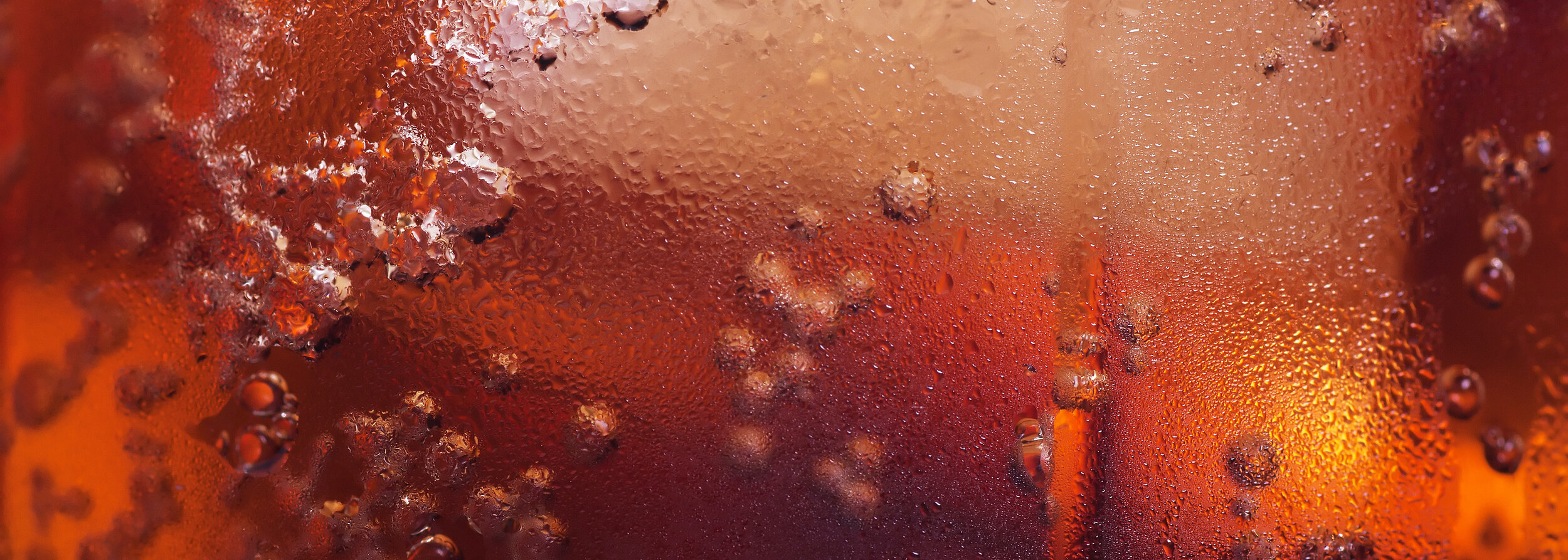
Beverages
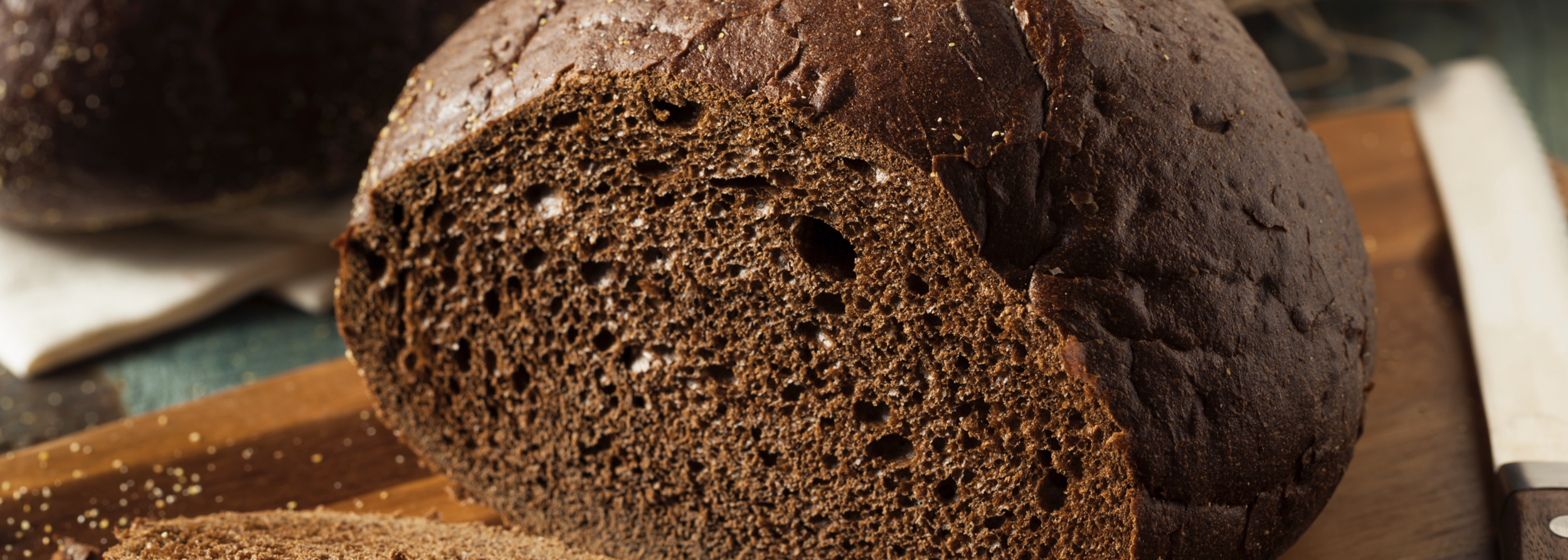
Bakery
Confectionery
Prepared Foods
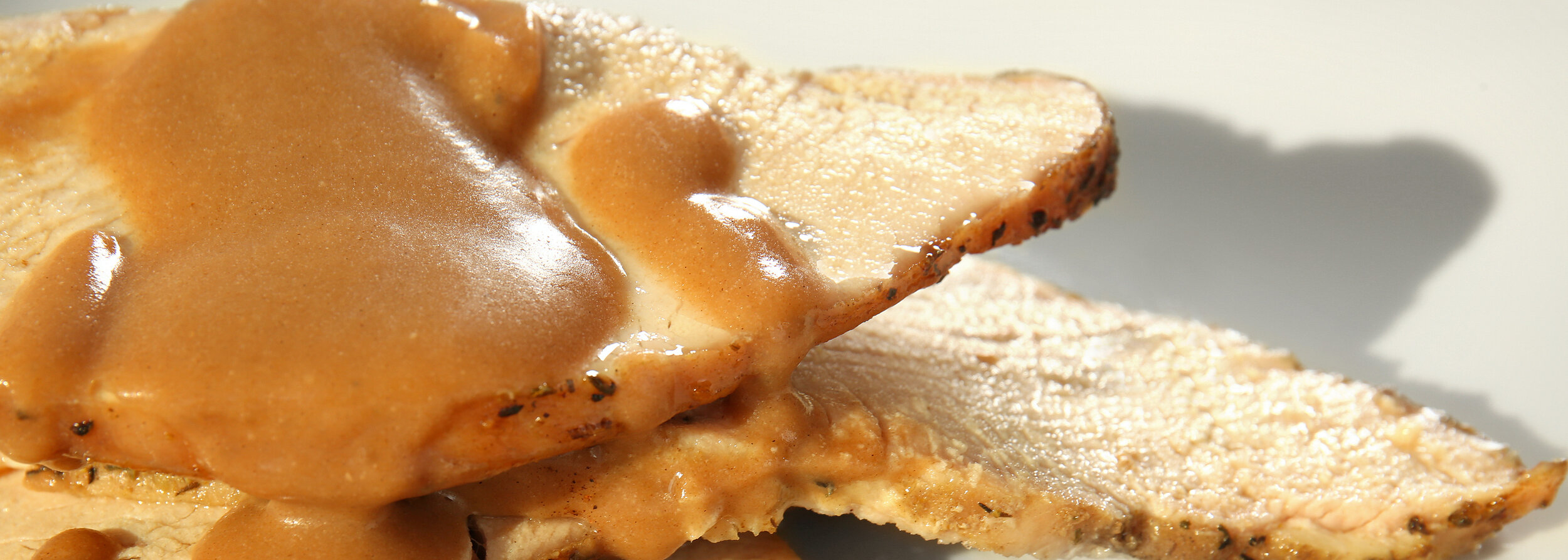
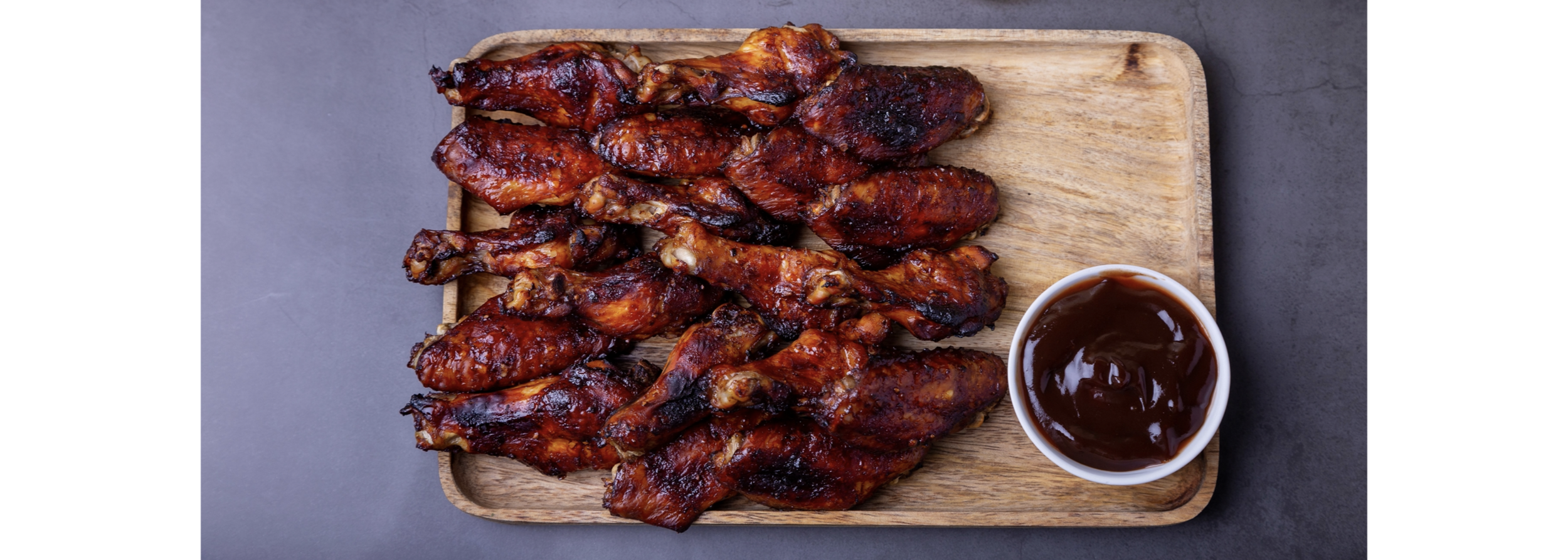
Sauces/Gravies
Dairy
Ice Cream
Seasonings
Pet Foods
Cereals