
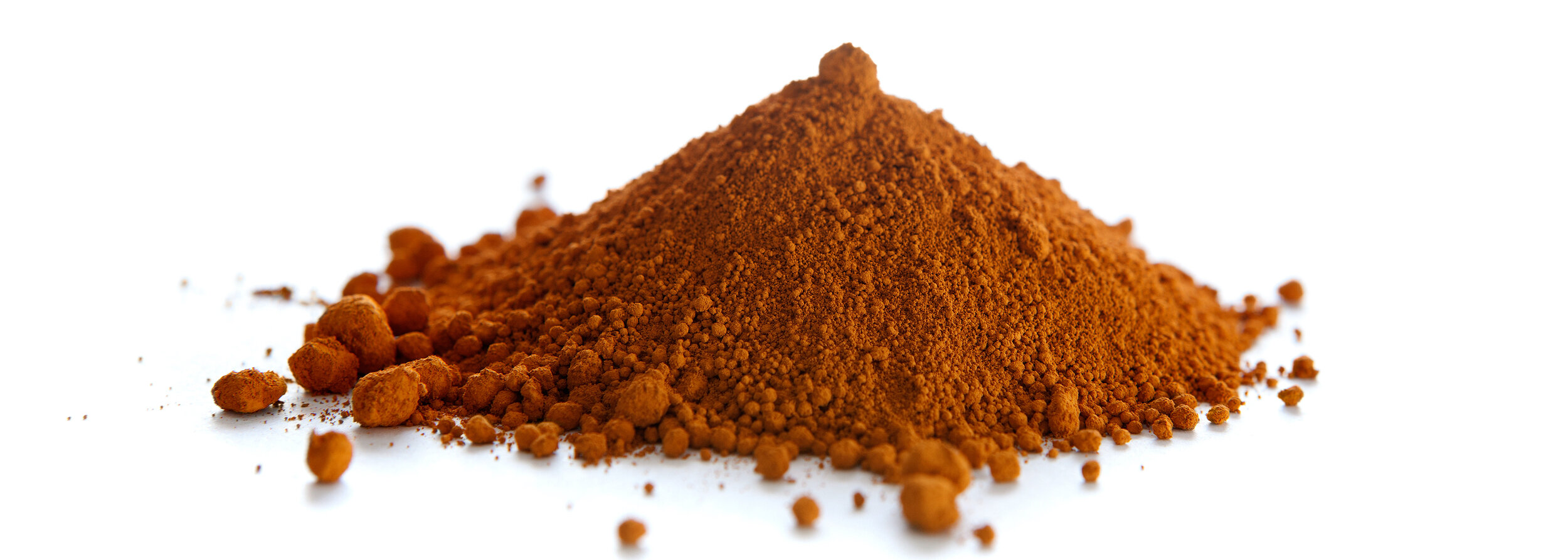



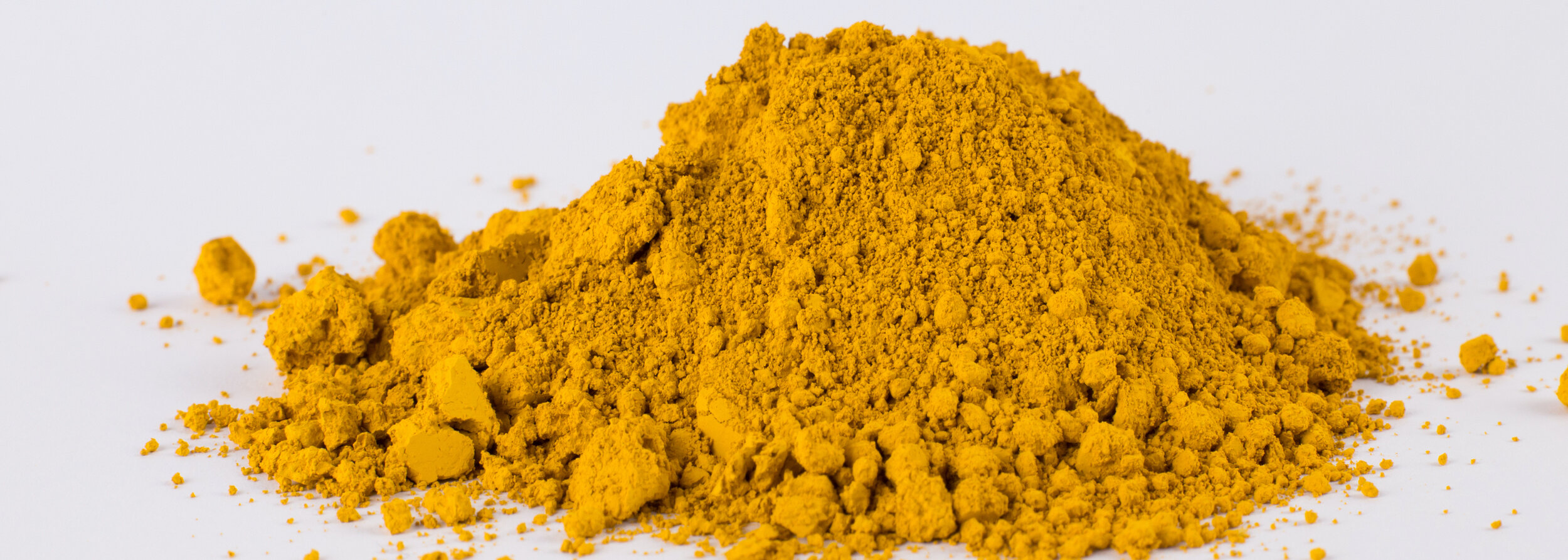




Iron Oxides do occur in nature. However, the iron oxides, including their hydrated forms, which are allowed and used commercially are those which are synthetically manufactured. The iron oxide pigments are insoluble and can be suitably dispersed in many different applications.
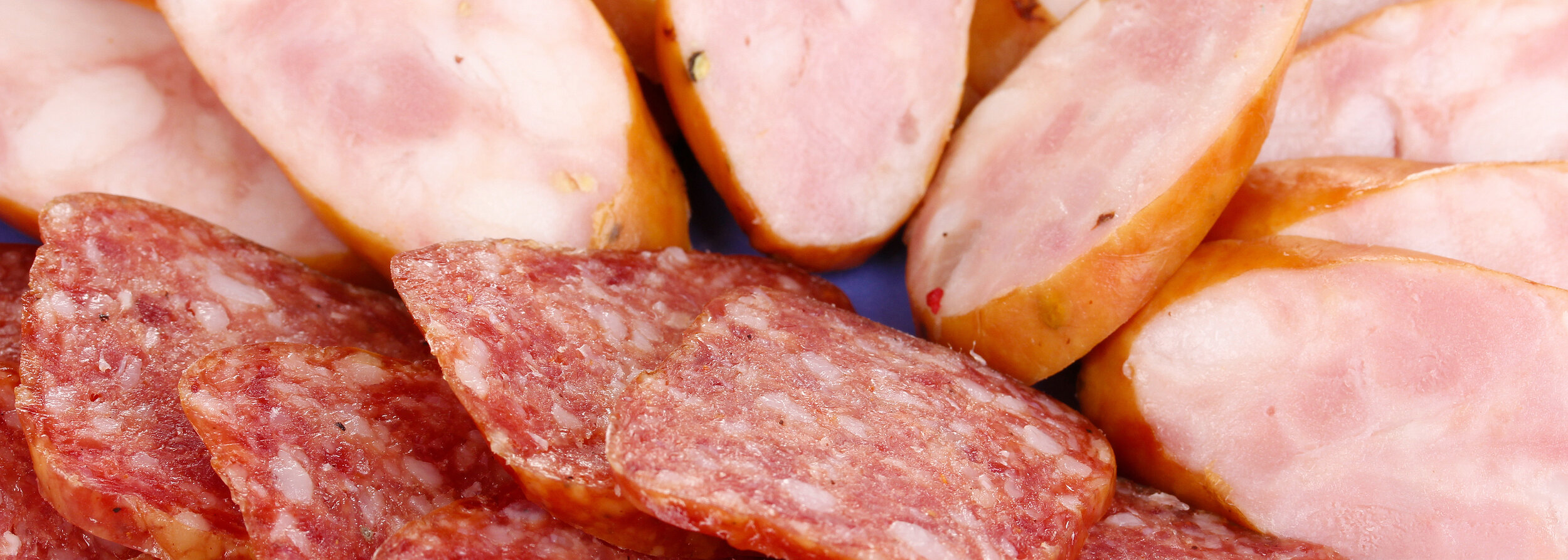
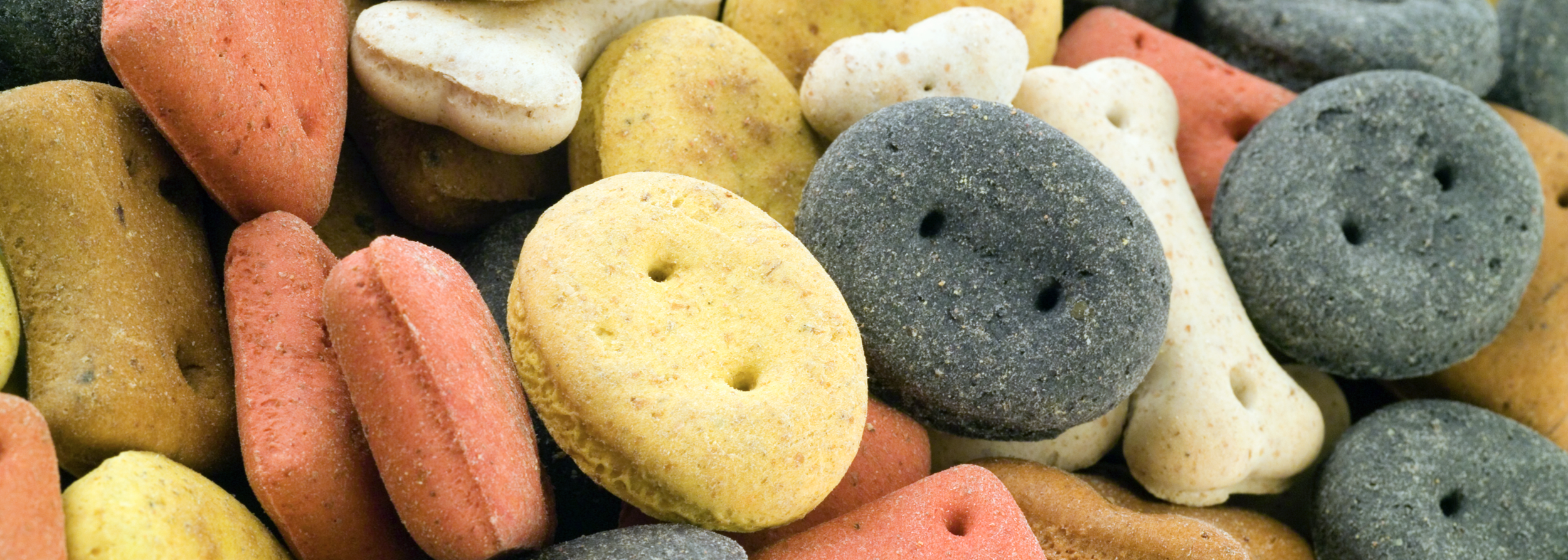
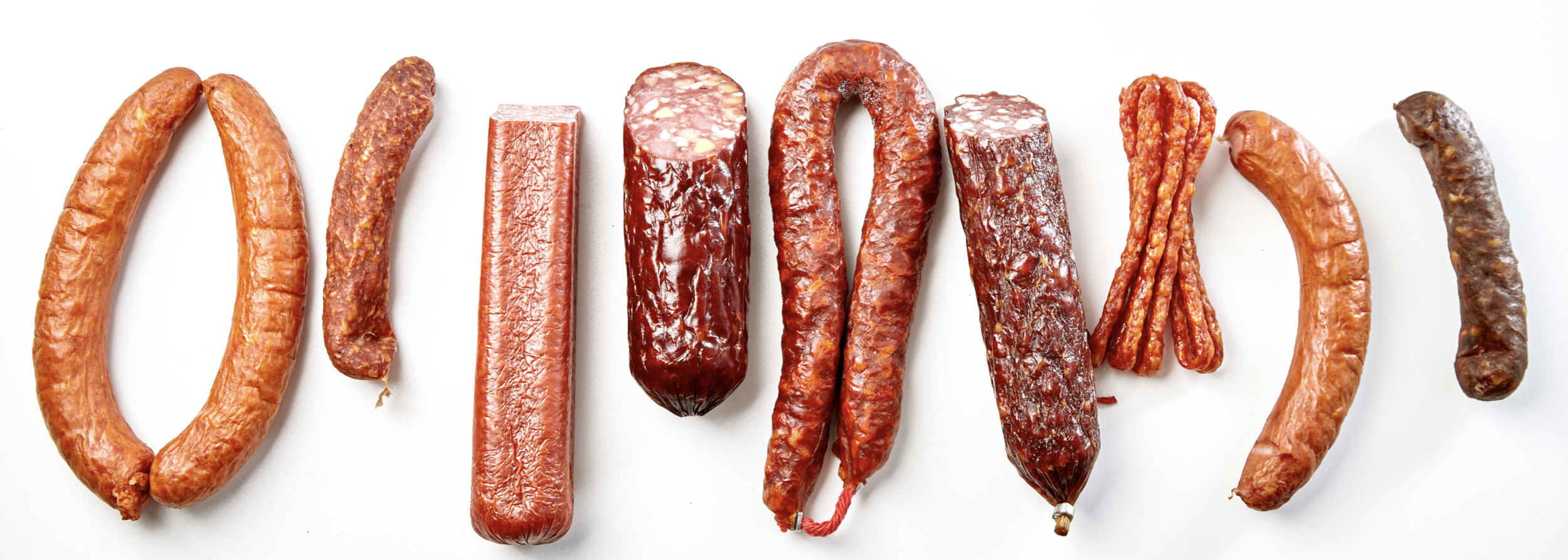
In the US, synthetic iron oxides are used for coloring sausage casings and for coloring soft and hard candy, mints and chewing gum. They are also used for coloring dietary supplement tablets and capsules, including coating and printing inks, and for coloring pet foods.
Applications
Confectionery
Pet Foods
Dietary Supplements
Casings








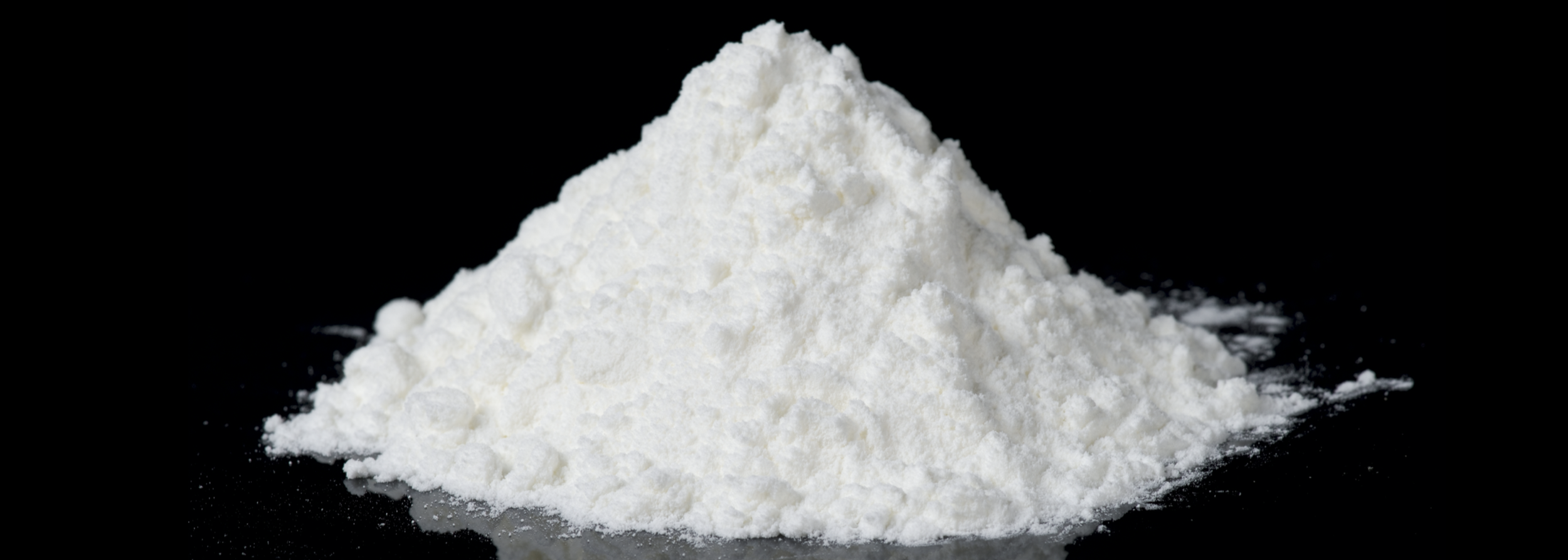







Titanium Dioxide is a naturally sourced, bright white pigment which is used to provide white or opacity effects in all foods, drugs and cosmetic product applications. It is the naturally occurring oxide of titanium, known as TiO2. It is mined and chemically processed and then purified from a mineral ore to provide the bright white pigment, as the anatase crystalline form.
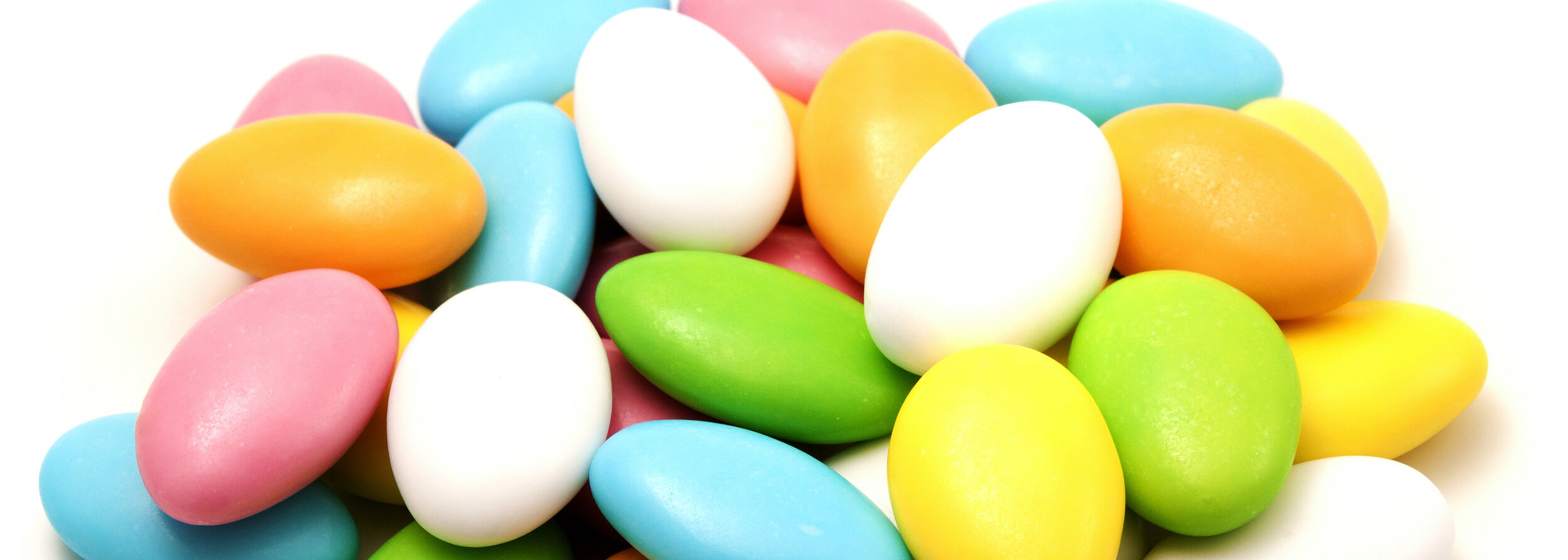
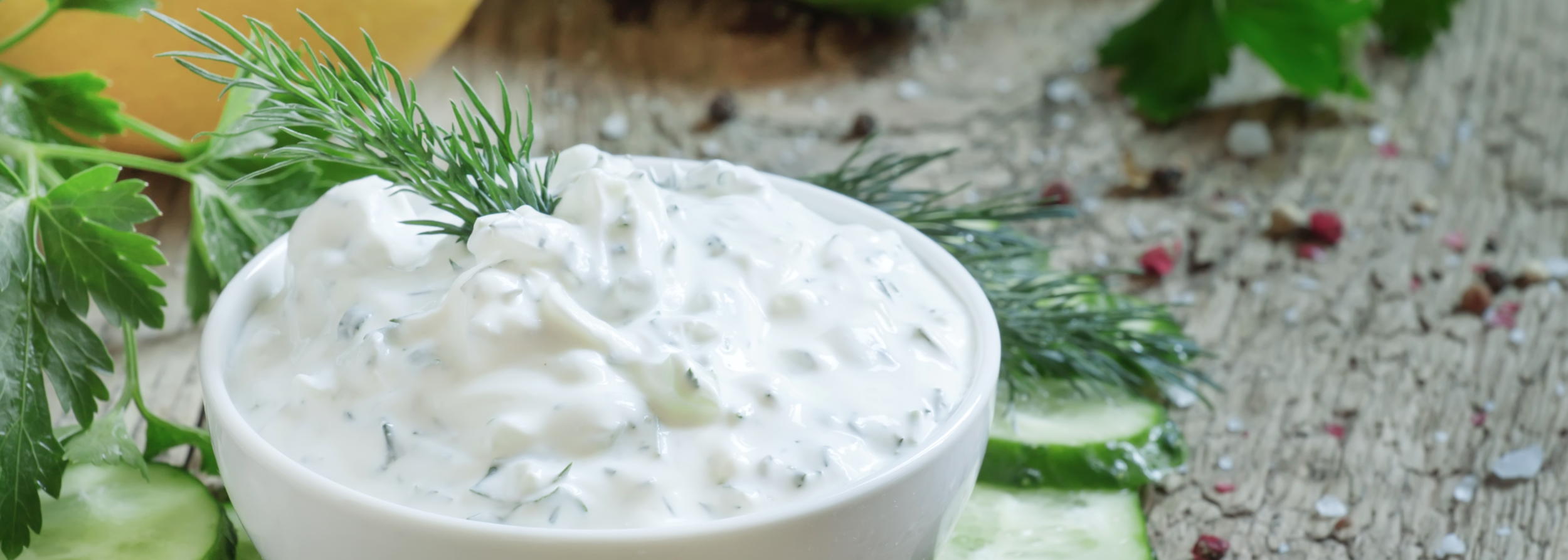
Titanium dioxide is the only food approved white colorant in the US. It is both water dispersible and fat dispersible, so it can be used across most food, pharmaceutical and cosmetic applications. Titanium dioxide works extremely well for coating applications, to assist in providing the bright shades we see in confectionery applications as well as for the pharmaceutical tablets and pills. It provides bright white shades/effects in application in addition to providing opacity effects, and has excellent stability to oxidation, heat, light and pH in all applications where it is used.
Applications
Confectionery
Prepared Foods
Cereals
Low Fat Products
Bakery
Icings
Pet Foods
Dry Mixes
Nutraceuticals
Pharmaceuticals
Cosmetics
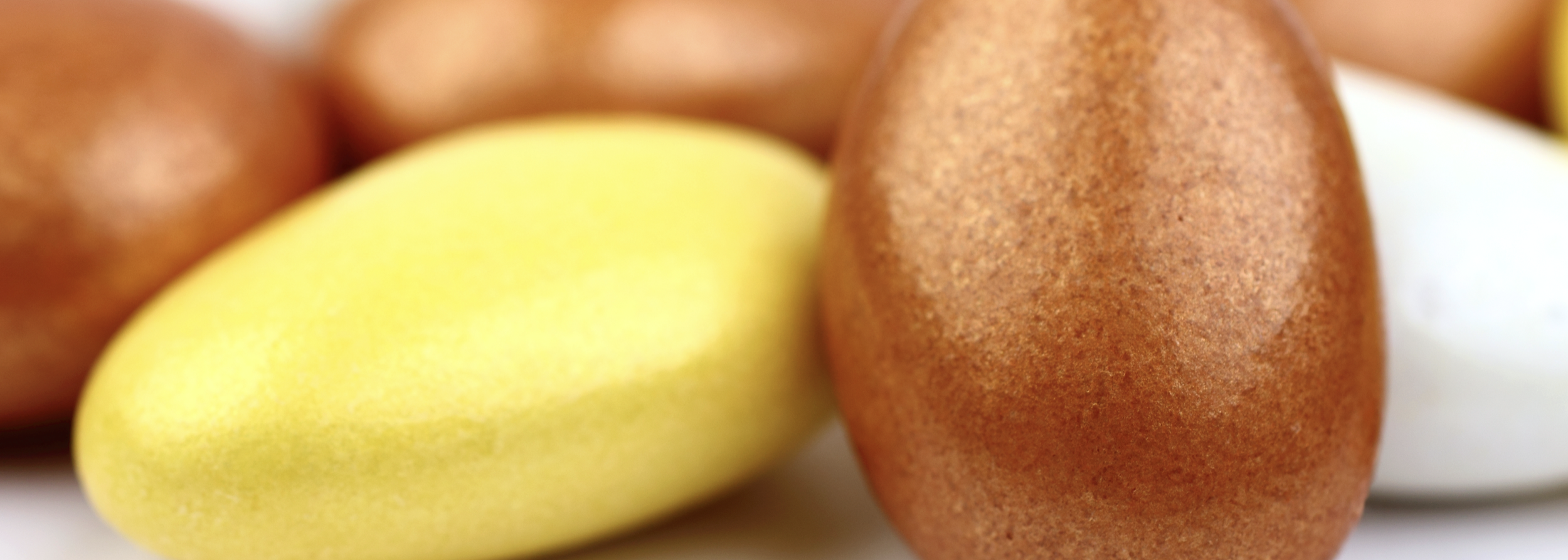

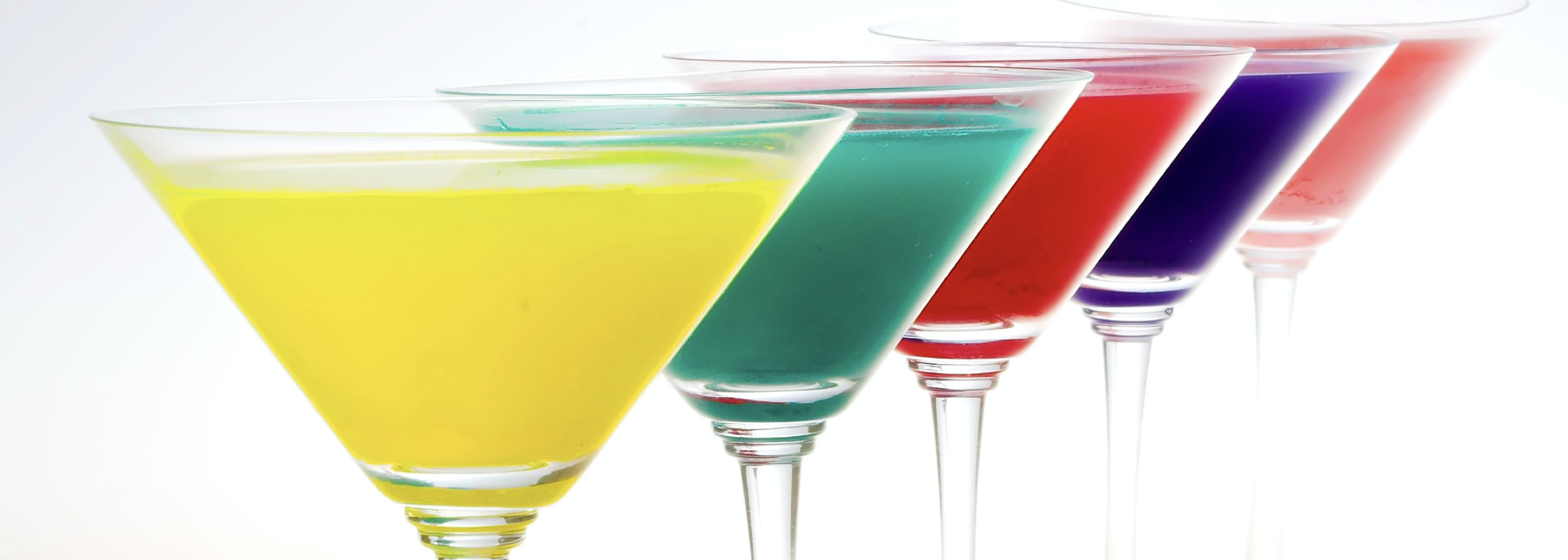








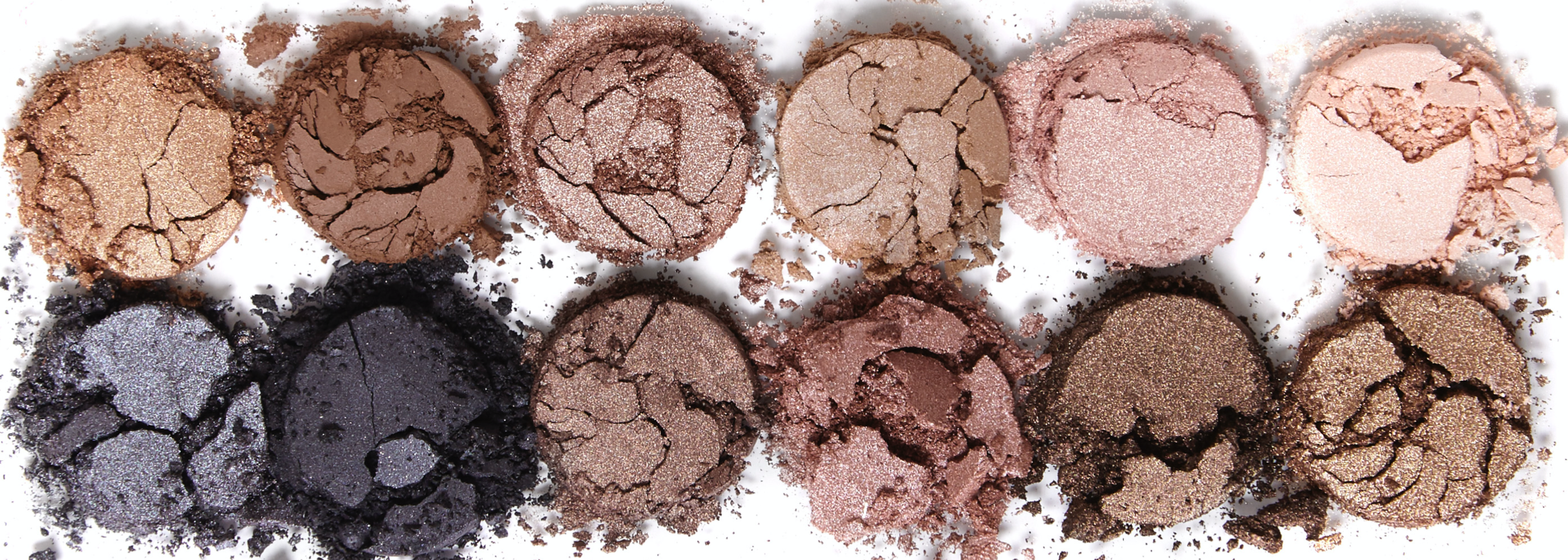
The Mica-Based Pearlescent Pigments are a range of pigments formed by depositing titanium salts onto mica, followed by heating, in order to produce titanium dioxide on mica. The mica which is used to manufacture these color additives shall conform in identity to the requirements of 21CFR 73.1496 (a)(1).
Mica-Based Pigments may be used in amounts up to 1.25 percent, by weight, in the following foods: Cereals, confections and frostings, gelatin desserts, hard and soft candies (including lozenges), nutritional supplement tablets and gelatin capsules, and chewing gum.
Mica-Based Pigments may also be used in amounts up to 0.07%, by weight, in:
Distilled Spirits containing 18-25% alcohol
Cordials, Liqueurs, flavored alcoholic malt beverages, wine coolers and cocktails
Non-alcoholic cocktail mixes and mixers, such as Margarita mix, Bloody Mary mix and Daiquiri mix (however, excluding eggnog, tonic water, and beverages typically consumed without alcohol)
These pearlescent pigments may also be used to color ingested drugs in amounts up three percent, by weight, of the final drug product. The maximum amount of iron oxide to be used in producing said pigments is not to exceed 55%, by weight, in the finished product.
These pigments may also be used in Egg Decorating kits used for coloring the shells of eggs, in amounts which are consistent with GMP.
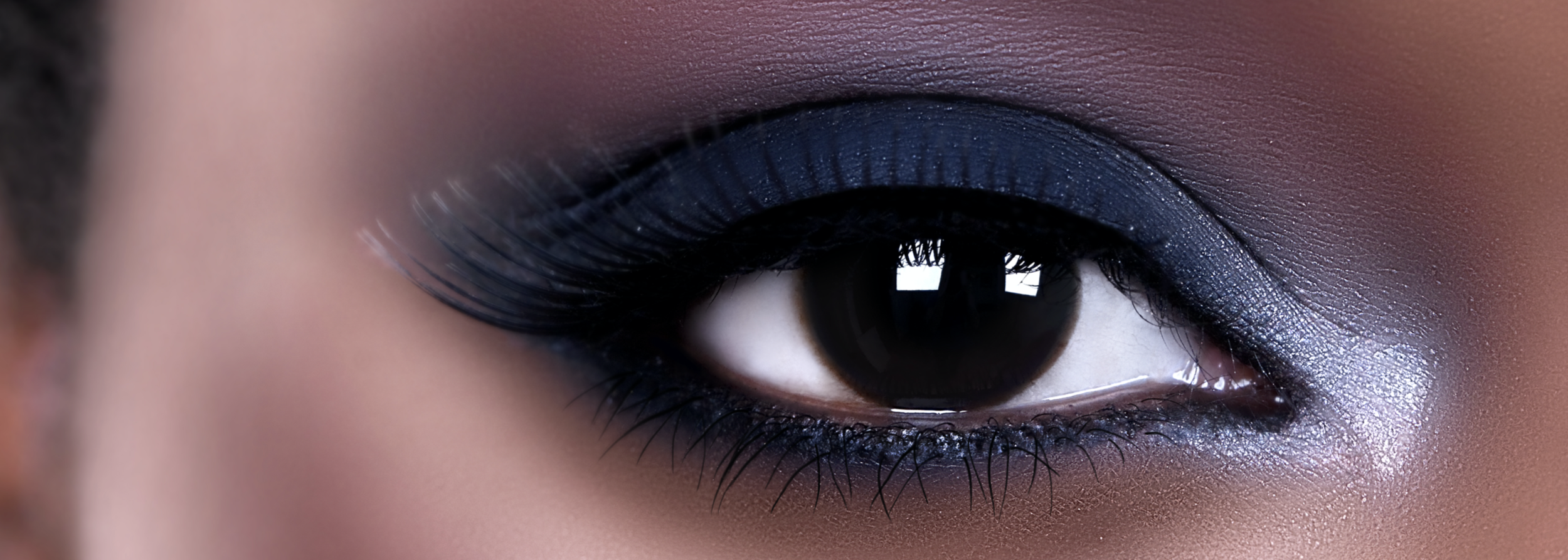
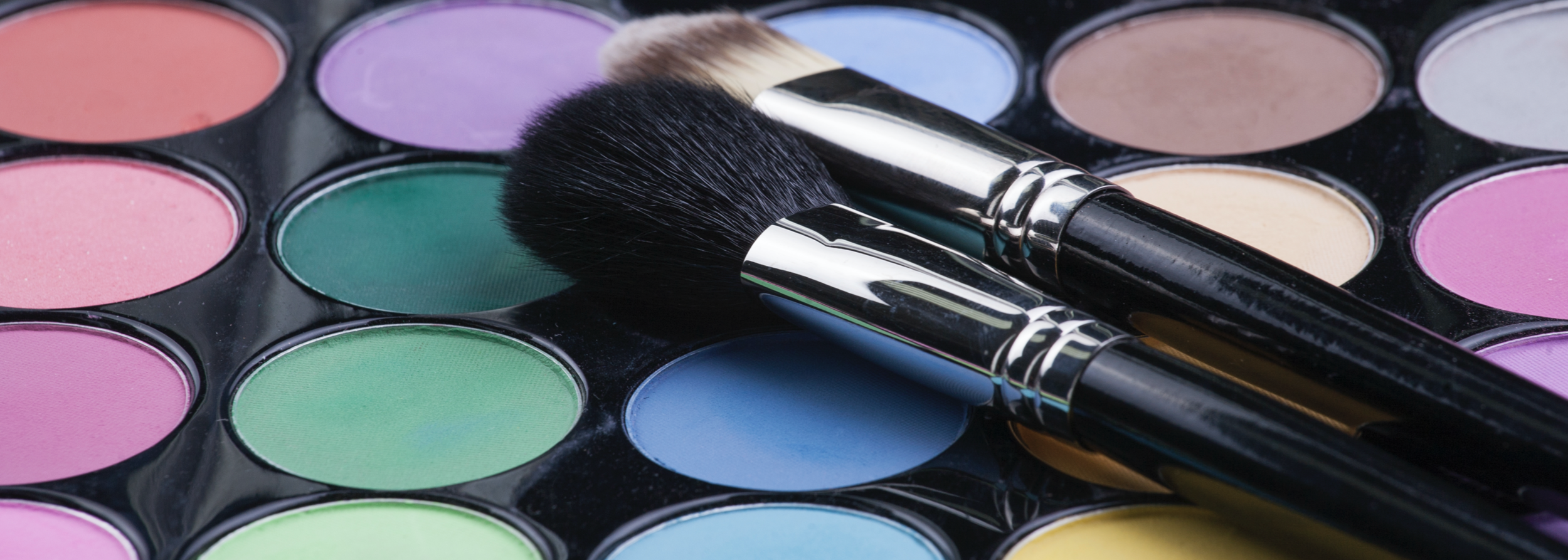
The Mica-Based Pigments are known to provide interesting and unique visual effects in application, such as luster, shimmer or sparkle. They can be used alone or in combination with other natural or synthetic colorants to provide additional creative and exciting effects in application.
Applications
Cereals
Confectionery
Frostings
Gelatin Desserts
Hard Candies
Soft Candies
Nutritional Supplement Tablets
Nutritional Gelatin Capsules
Chewing Gum
Alcoholic Beverages
Non-Alcoholic Cocktail Mixes
Egg Decorating Kits