









CARMINE & COCHINEAL EXTRACT
Carmine is sourced primarily in Latin America, in Peru mostly, and has been used historically for applications like coloring textiles, pottery, cosmetics, and of course also for coloring foods. The colorant is extracted from the female cochineal insect, Dactylopius coccus costa, and lives only on the prickly pear cactus, Opuntia ficus indica. The colonies of insects are pictured as white patches on the cacti. The coloring component is Carminic Acid.
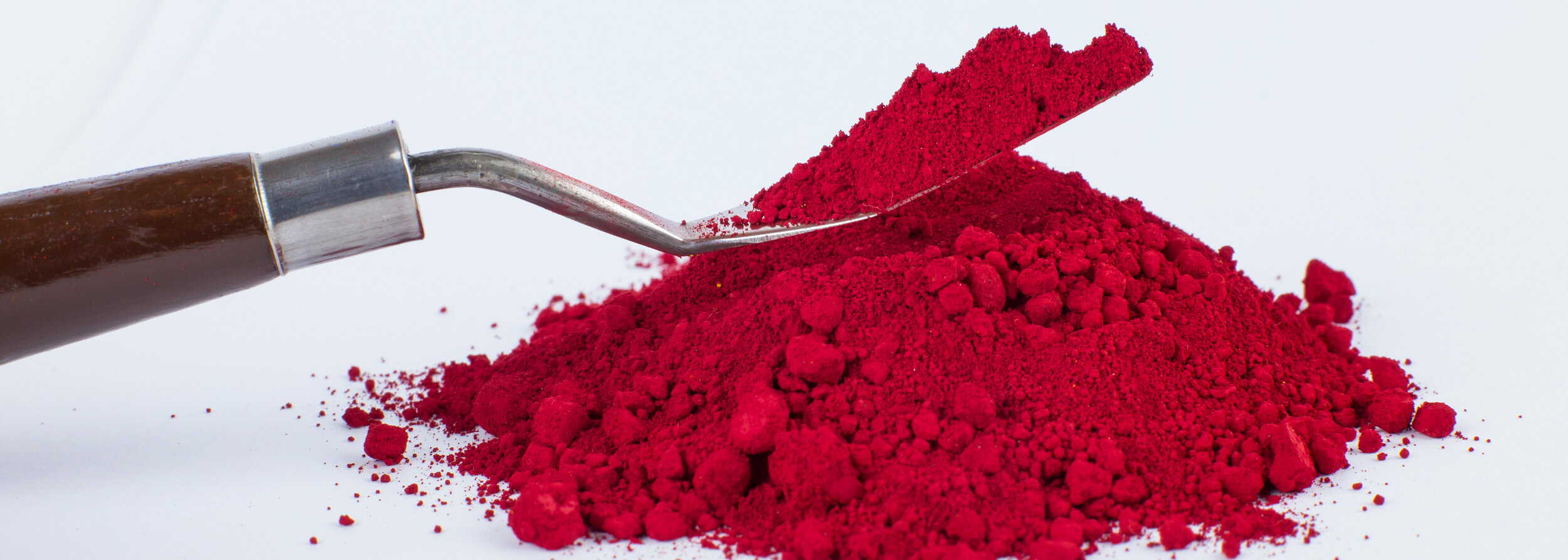
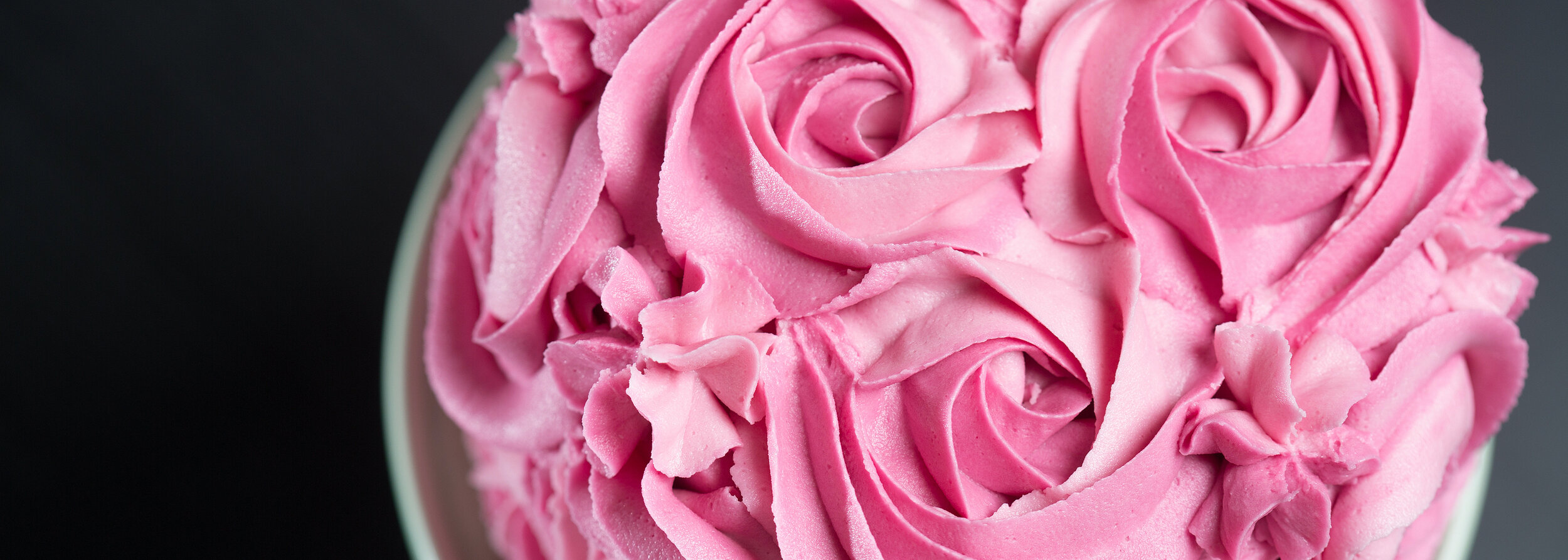
Carmine and Cochineal Extract are able to provide bright and stable shades, ranging from orange to deep reds and magenta, to even purple shades, depending on the application. Carmine is the only FDA approved Exempt Color lake. The Carmine lake can be further converted to various water soluble versions, to be used for a wide range of water based applications. Carmine and Cochineal Extract are available in a wide range of powder, dispersion and liquid forms.
While it is one of the most stable natural colors available in the world, Carmine and Cochineal Extract are often the topic of interesting conversation, due to being sourced and extracted from an insect which grows and colonizes on the cacti. Even today, the cochineal are harvested by hand. While the sourcing is labor intensive, the source itself is very rich in the Carminic Acid colorant and the extraction is very straightforward, typically only requiring water based methods.
Applications
Dairy
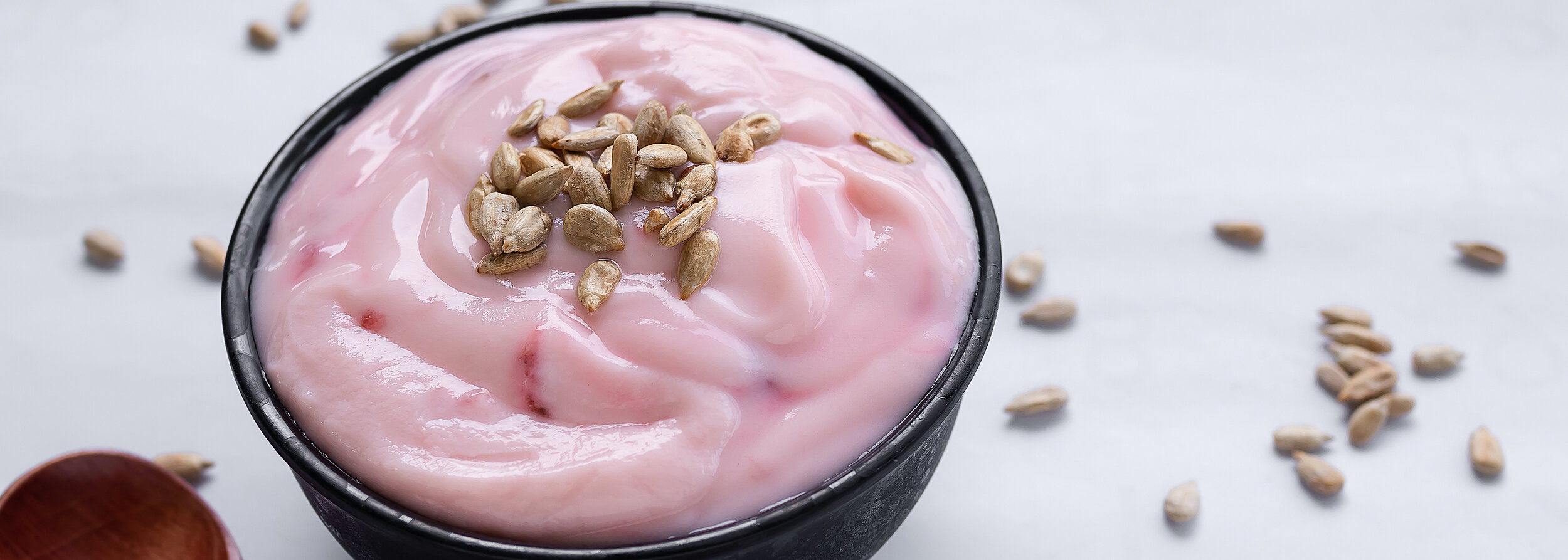
Yogurt
Fruit Preparations
Confectionery
Prepared Foods
Bakery
Icings
Sauces
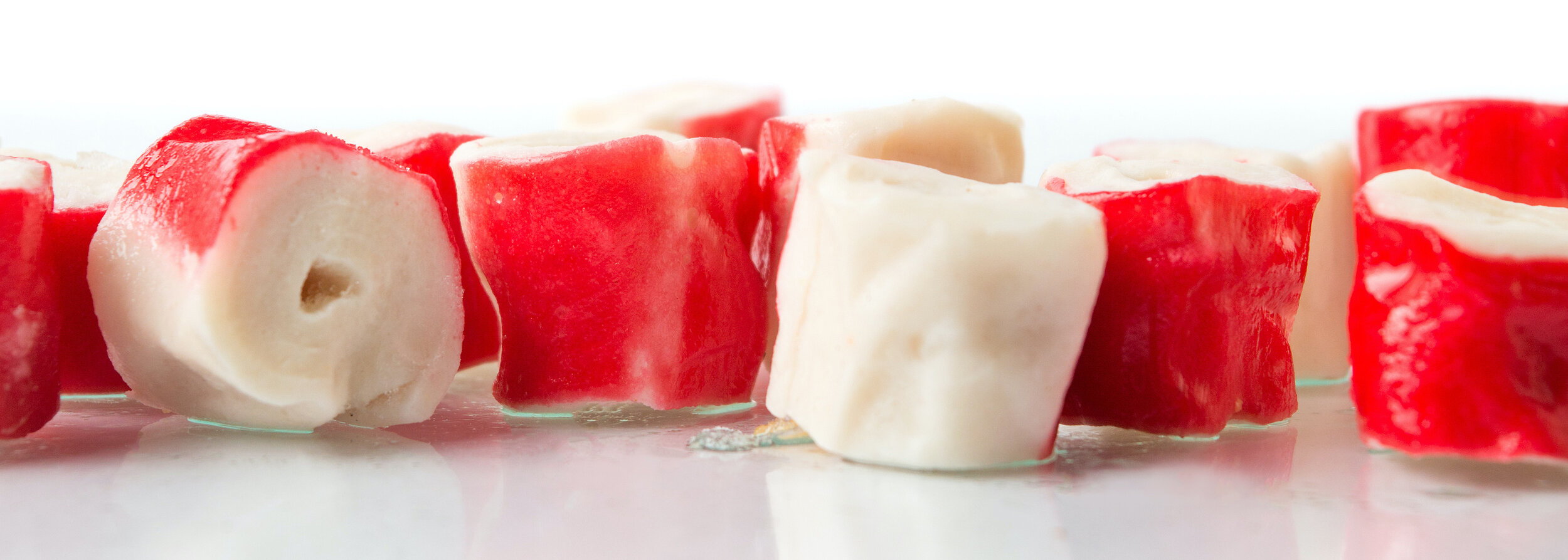
Surimi
Beverages
Cosmetics
Product Forms
Powders
Products are available as dry powders. This form can be preferred as it allows for a longer shelf life when stored, and also allows for ambient storage for most products.
Liquids
Products are available as water soluble liquid systems or as liquid emulsions or oil based liquids.
Blends
As is true with the synthetic colors, natural colors may also be blended, with other natural colors or also with synthetic colors also, in order to achieve any desired shade. These may be in liquid or in powder form.
Oleoresin
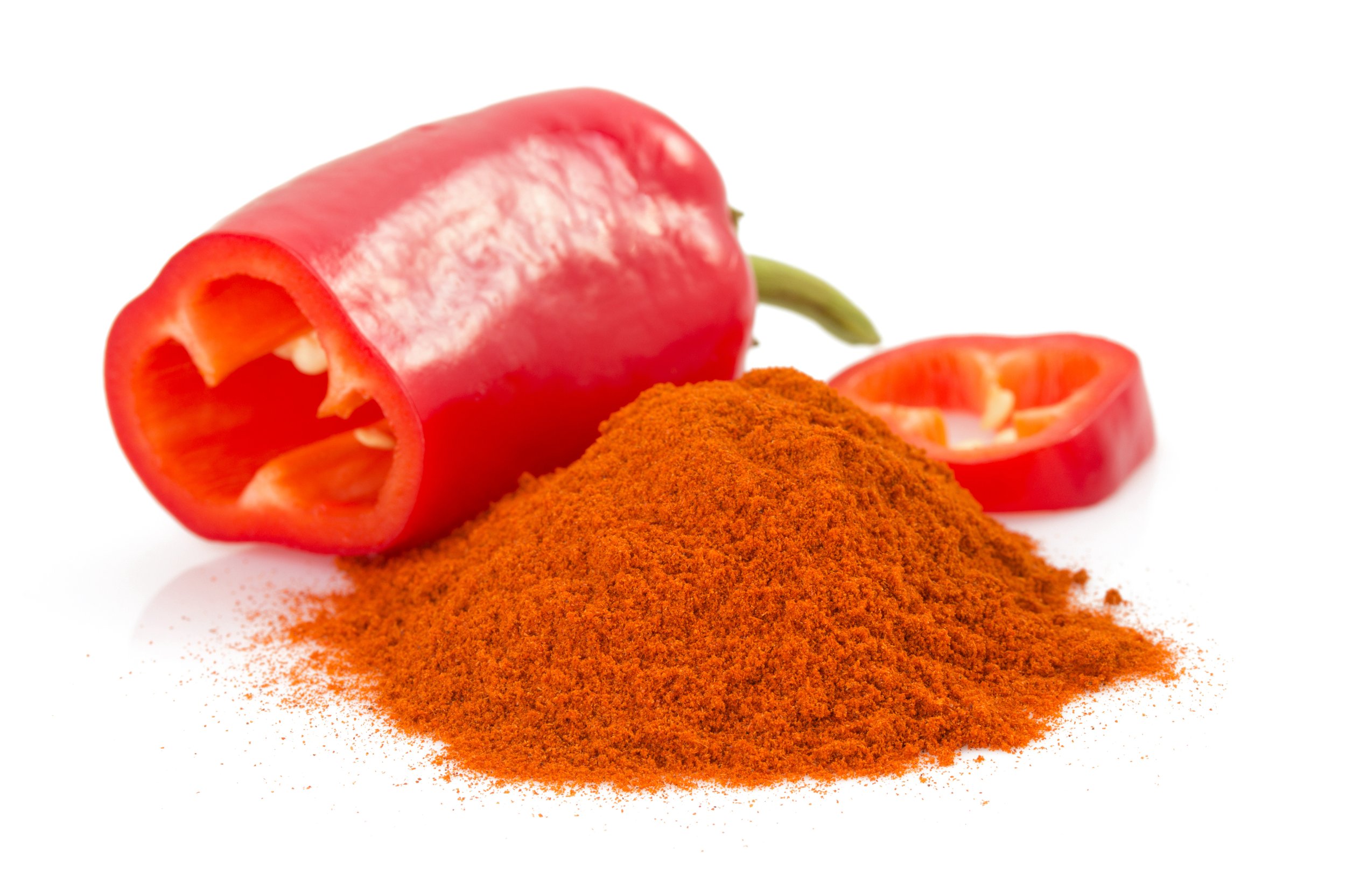
In the extraction process, for many of the natural colors, such as paprika for example, the end product is an oleoresin, which contains the colorant, and may also contain other ingredients inherent to the vegetable or plant source, such as flavor components.
Suspensions
The natural pigments may also be uniformly dispersed into suitable carriers, such as oil or propylene glycol.
Emulsions Encapsulated Forms
Many of the natural colors are inherently oil soluble or insoluble pigments. In order to use them in water based applications, they may be emulsified with food grade ingredients in order to make them water dispersible or water miscible.