



ANNATTO
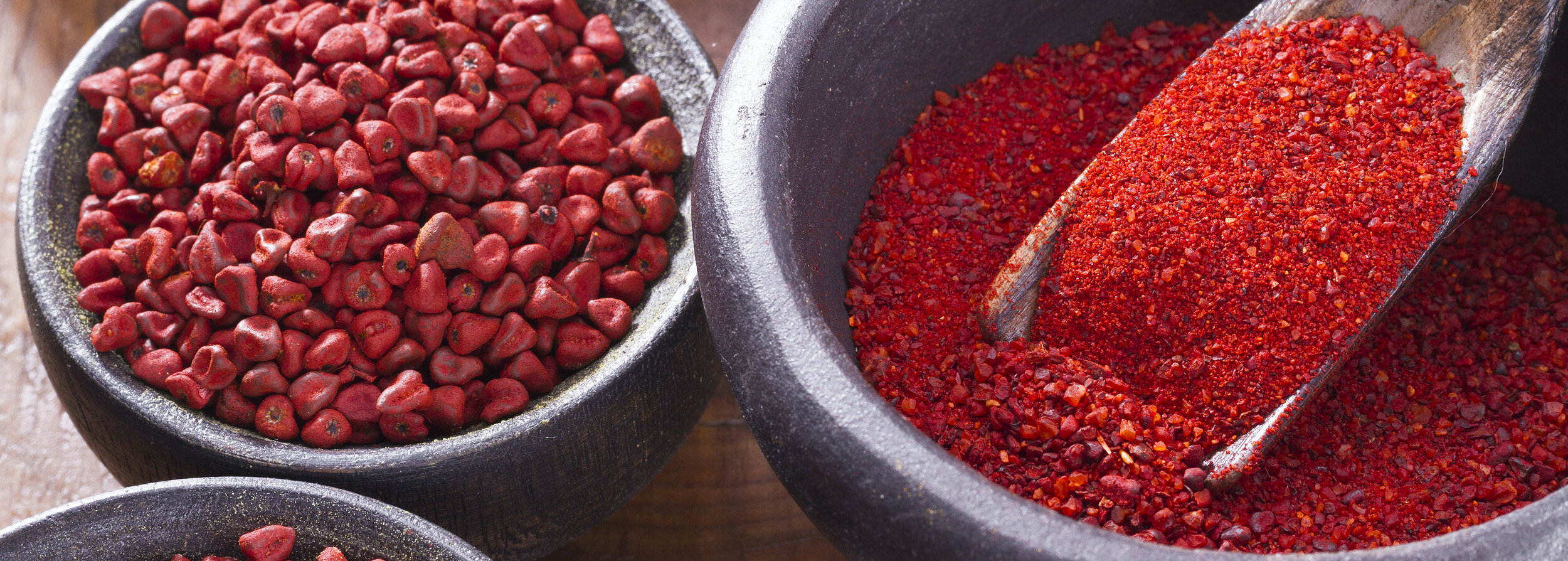
Annatto has been used for centuries throughout Latin American countries both as a colorant in foods, and also as a seasoning, also known as “achiote”, to provide an earthy flavor note to many customary cuisines. Historically it was used for body painting and coloring one’s face. As it was also used for treating health disorders and ailments, such as heartburn and nausea, it has now been scientifically shown to provide many health benefits, as an anticarcinogen, antimicrobial, antioxidant and anti-inflammatory.
Annatto is grown and harvested in South America, Africa and the Caribbean, from the seeds of the Bixa Orellana L. shrub. The pigment naturally occurs as the oil soluble form, as Bixin, a carotenoid, and is extracted from the exterior of the seeds. The water soluble form is generated using a simple processing step to create Norbixin, which is used widely in water based applications, including cheese and other dairy applications.
Annatto, as either Bixin or as Norbixin, has good to fair stability in most applications. It provides golden yellow to yellowish-orange shades when used. It is available as oil based systems, water soluble forms, acid stable forms, or as emulsified or encapsulated forms, for additional functionality and stability.
Applications
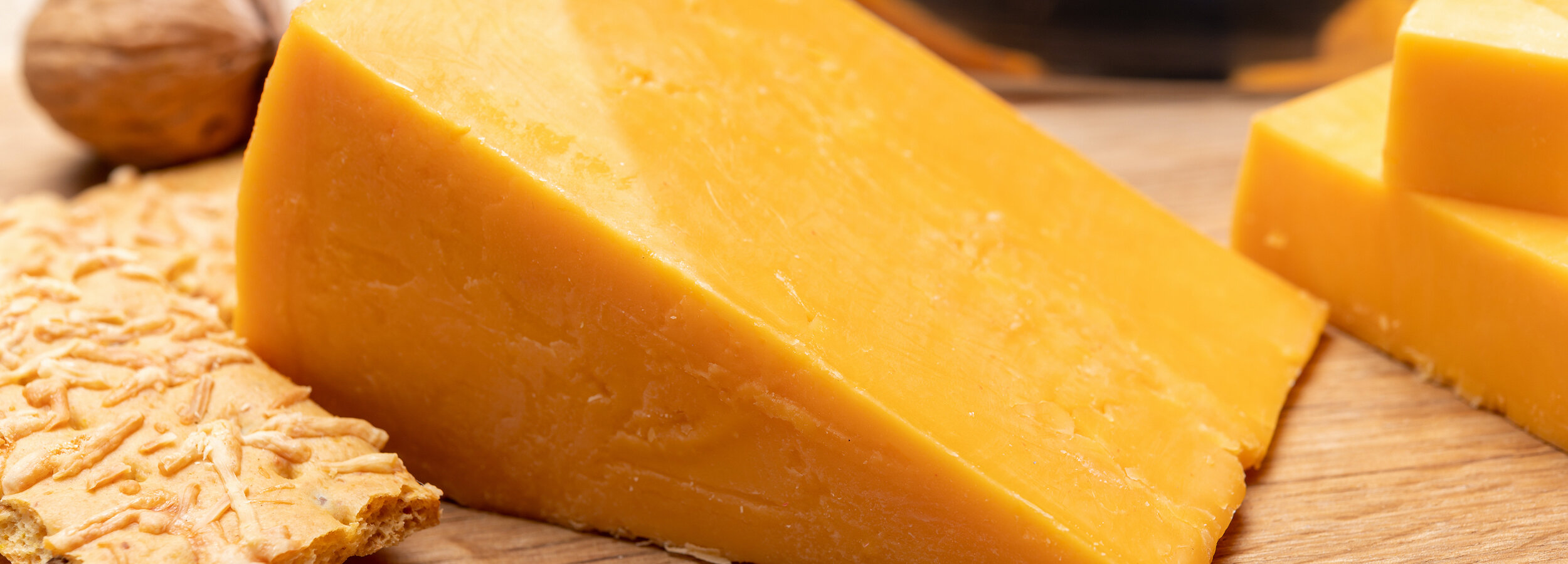
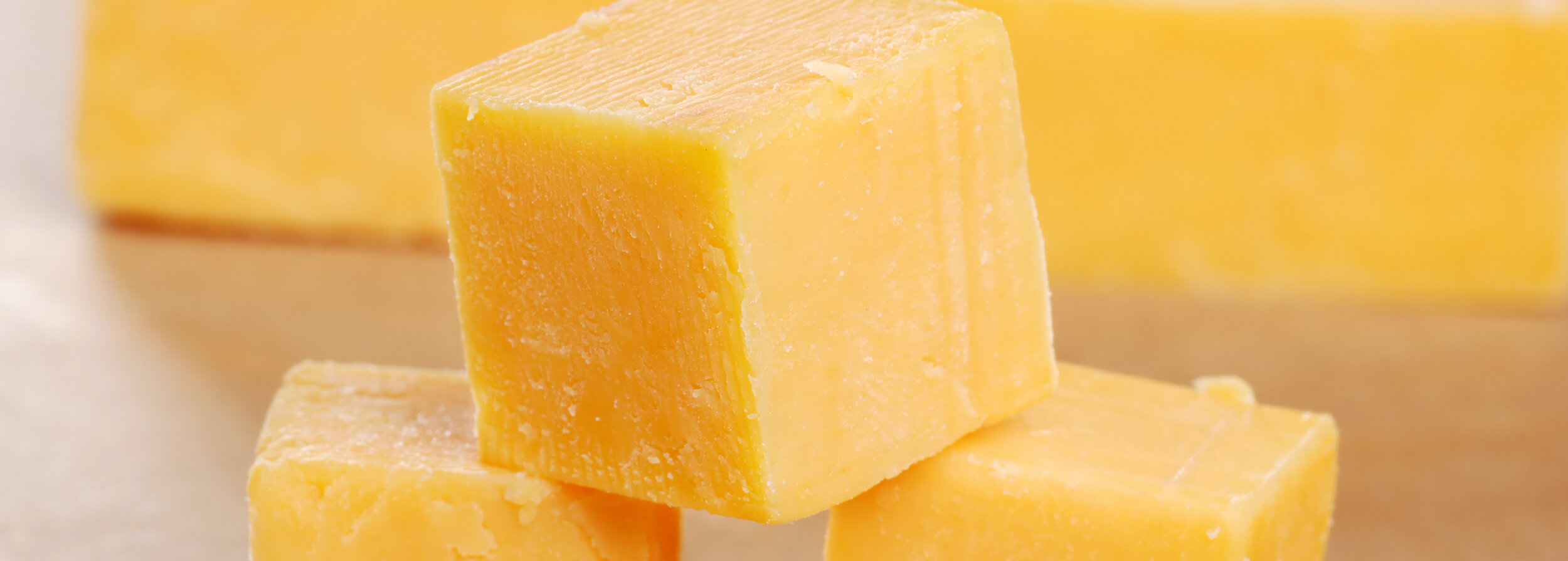
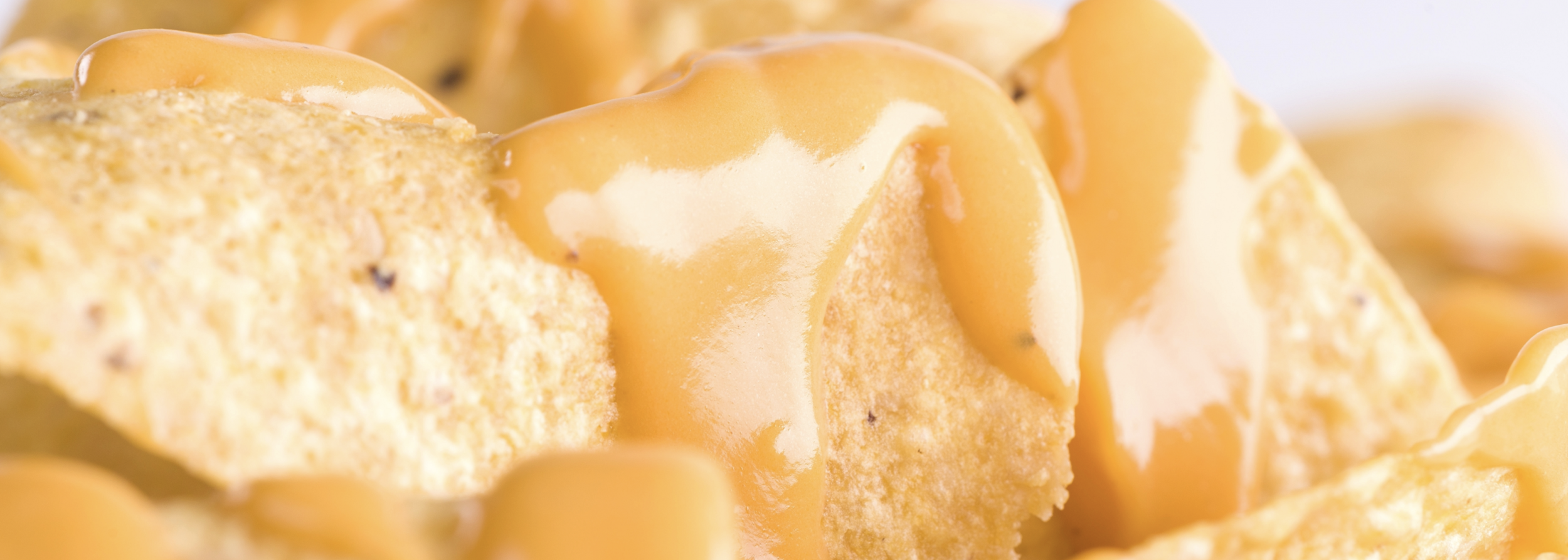
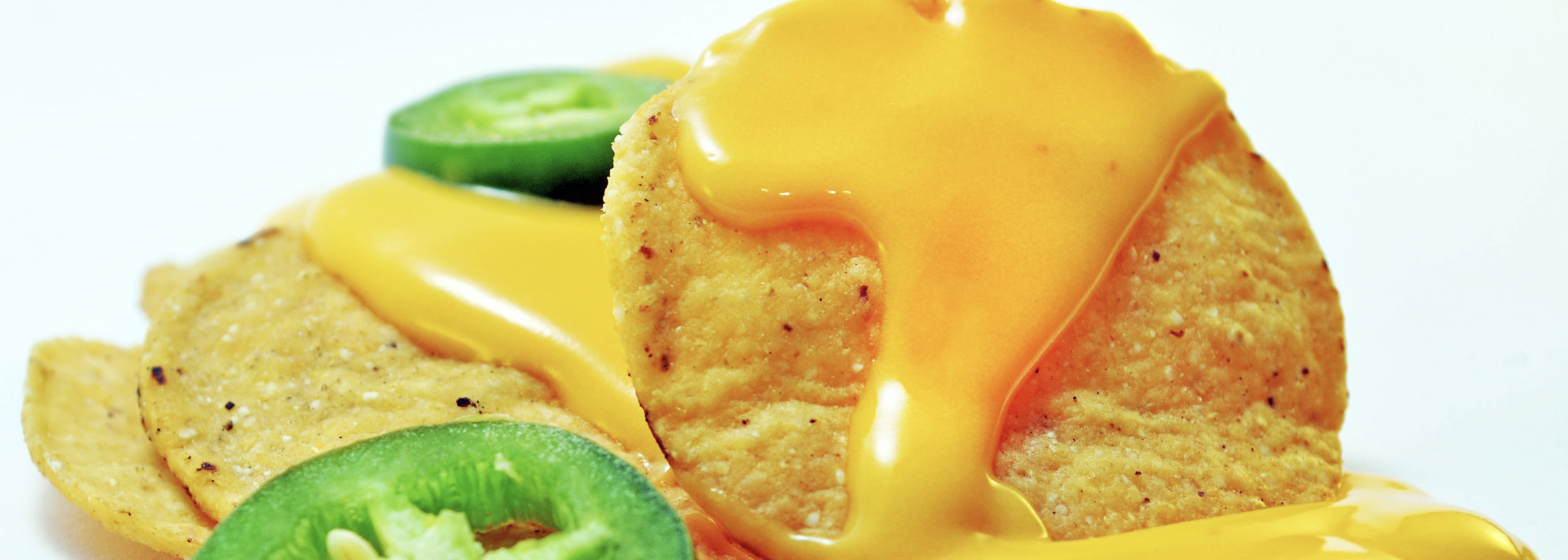
Cheese
Dairy
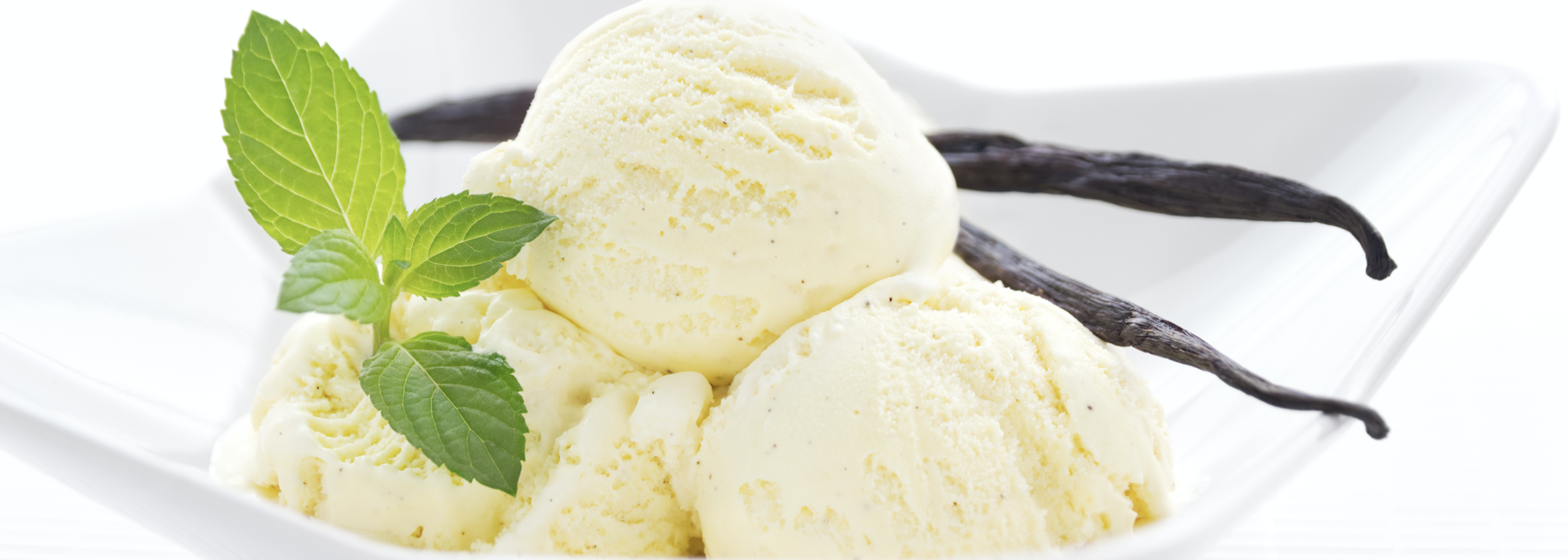
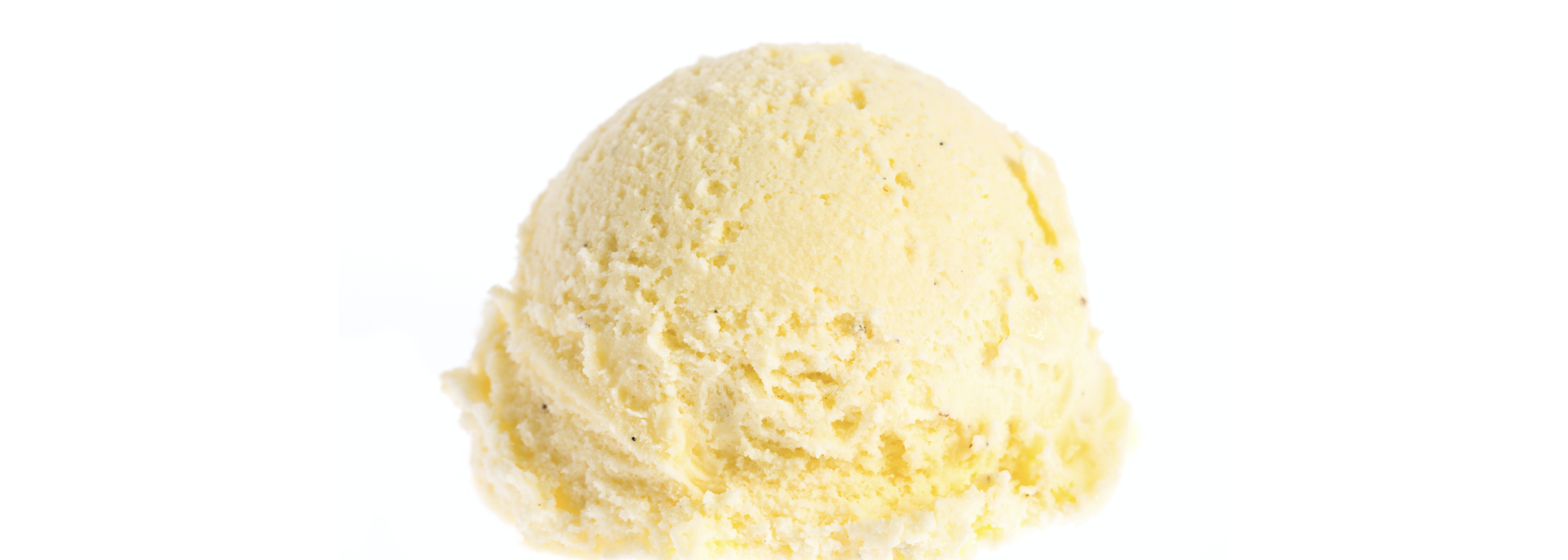
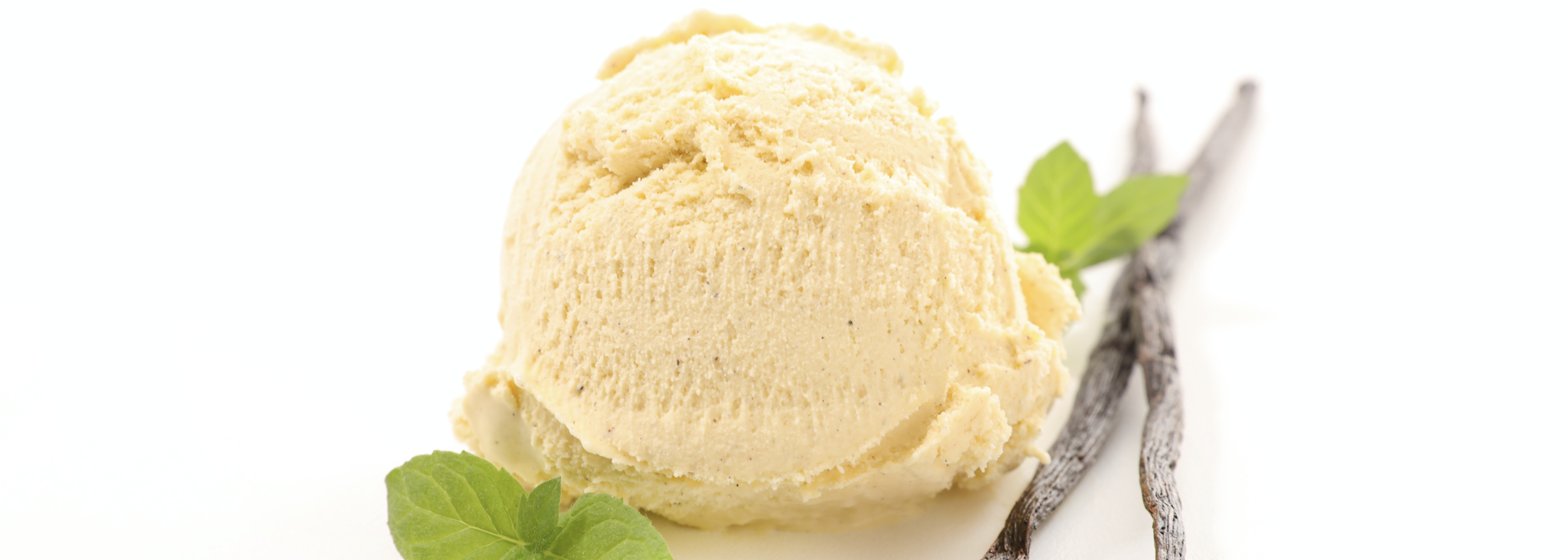
Ice Cream
Yogurt
Bakery
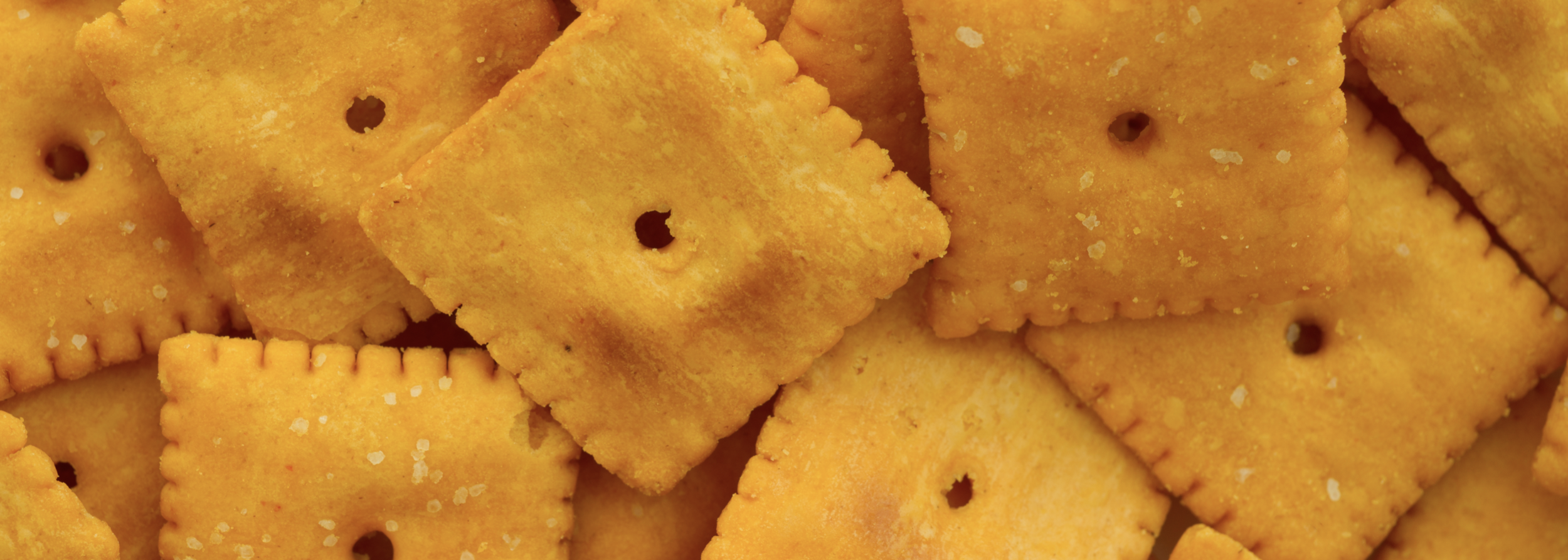
Prepared Foods
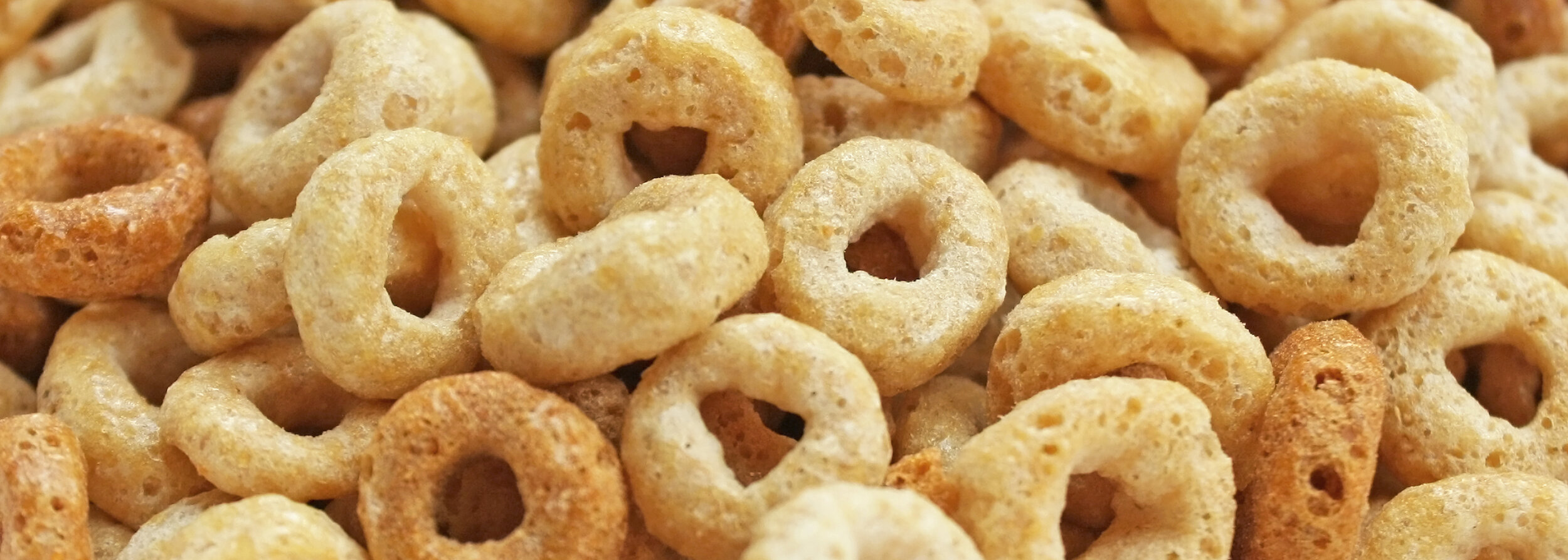
Cereal
Spreads

LYCOPENE
Lycopene is a carotenoid pigment which is extracted from tomatoes. It is also naturally occurring in sources such as watermelon and pink grapefruit, but it is the form from tomatoes which is most prevalent and is approved and allowed commercially in the US. It is oil soluble in its inherent state and can be emulsified in order to allow for it to be used in water based applications. Lycopene is one of the “redder” carotenoids available and provides an orange to reddish orange shade in application.
Additional forms of Lycopene are now commercially available which are Nature Identical and also derived via fermentation from the fungus, Blakeslea trispora. However, these forms are allowed in countries outside of the US. These forms are essentially the same as the form extracted from tomatoes and are also used for a wide variety of food applications.
Applications
Prepared Foods
Dairy
Yogurt
Confectionery
Beverages






IRON OXIDES
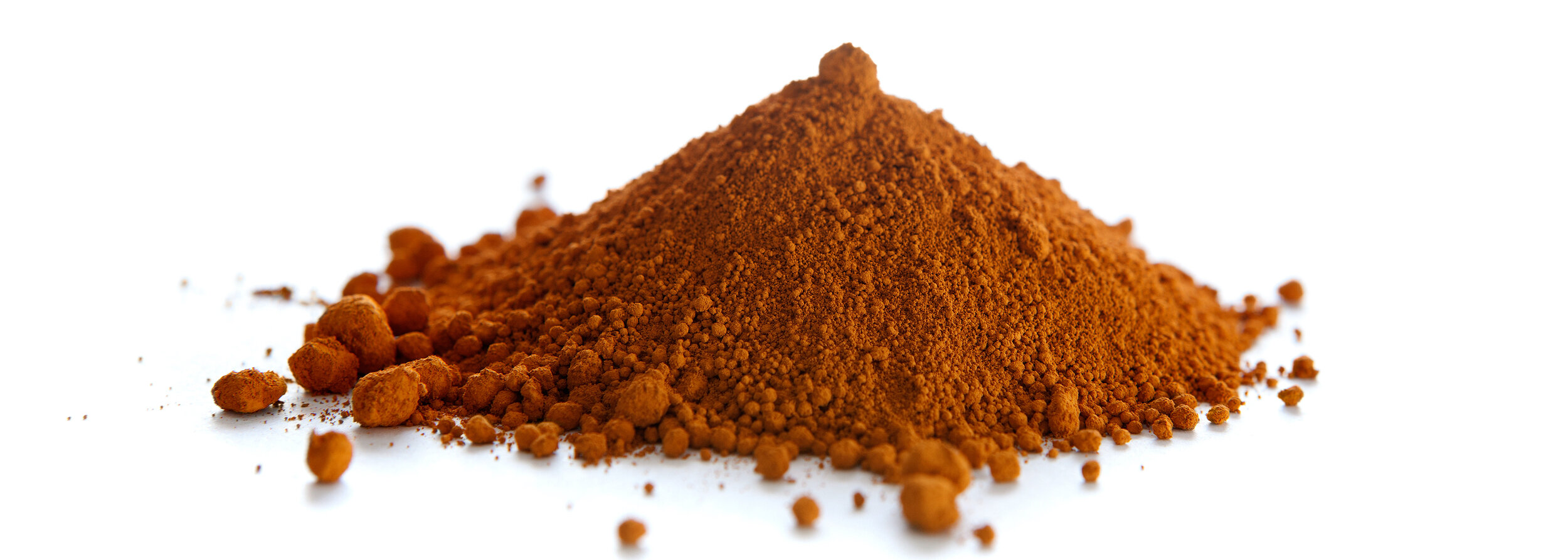
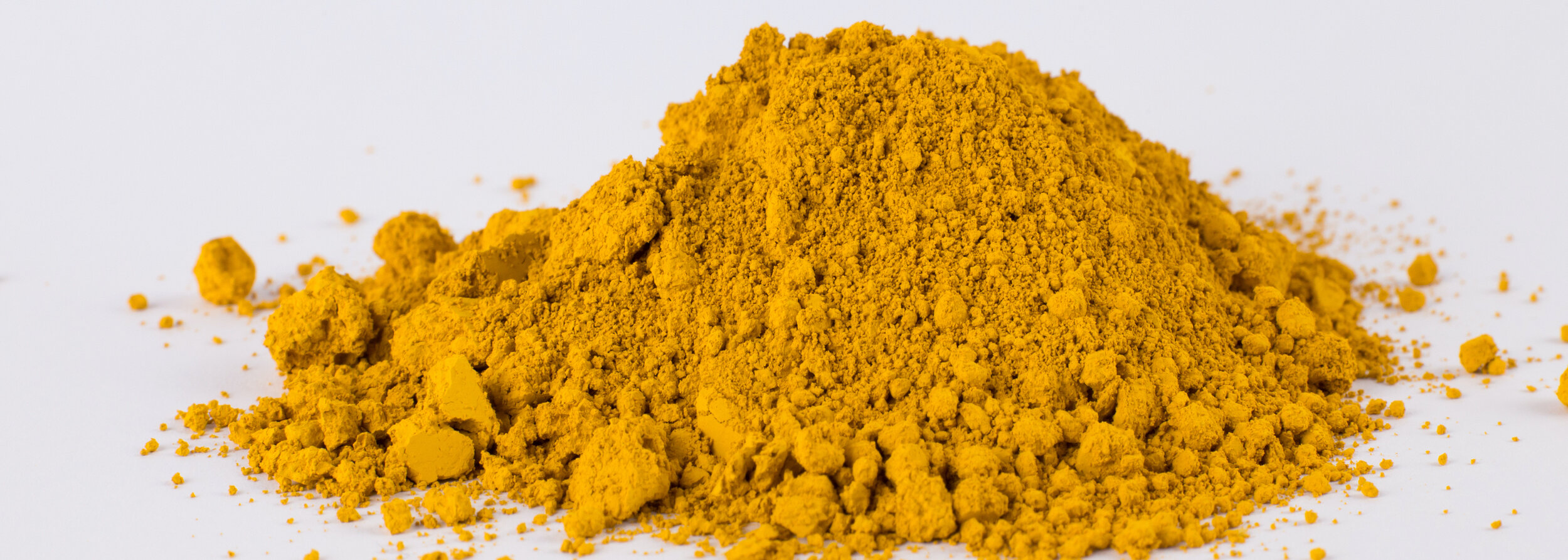
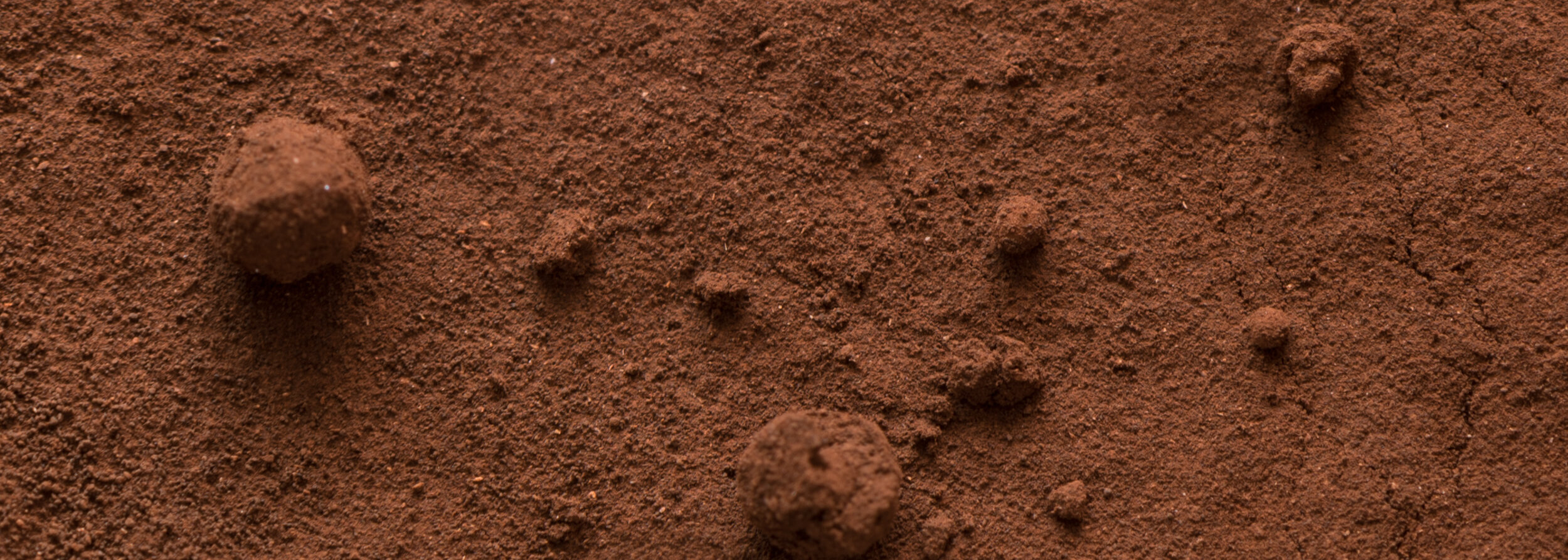
Iron Oxides do occur in nature. However, the iron oxides, including their hydrated forms, which are allowed and used commercially are those which are synthetically manufactured. The iron oxide pigments are insoluble and can be suitably dispersed in many different applications.
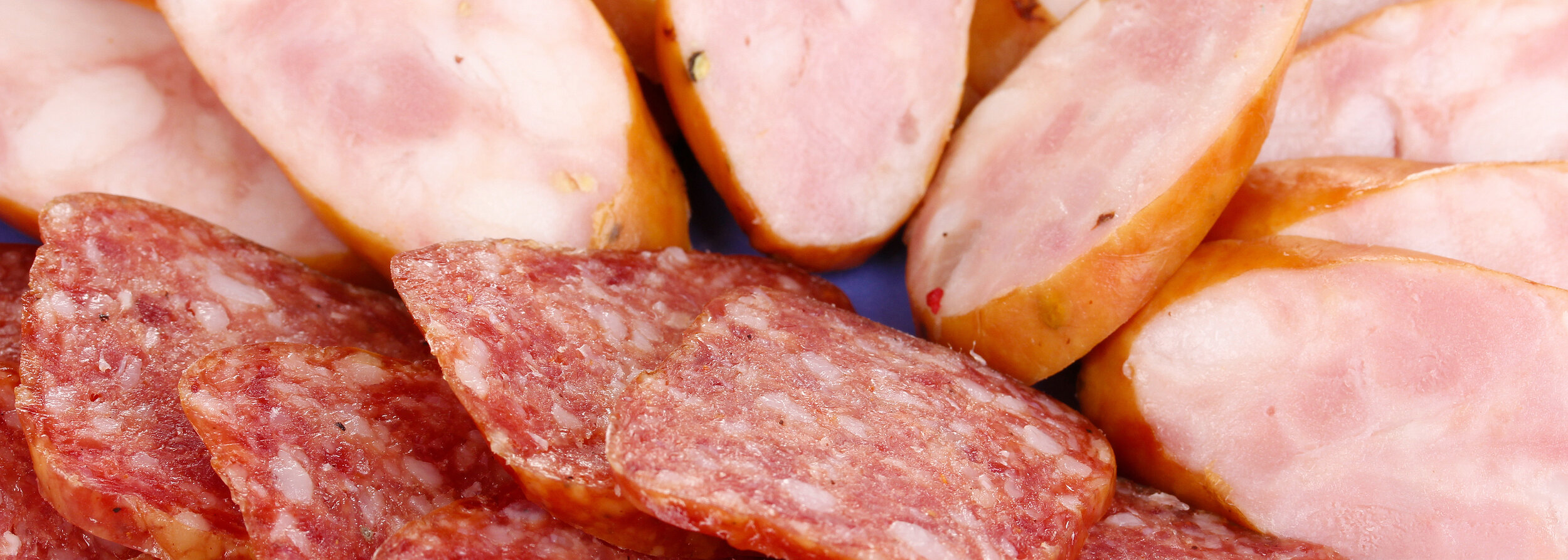
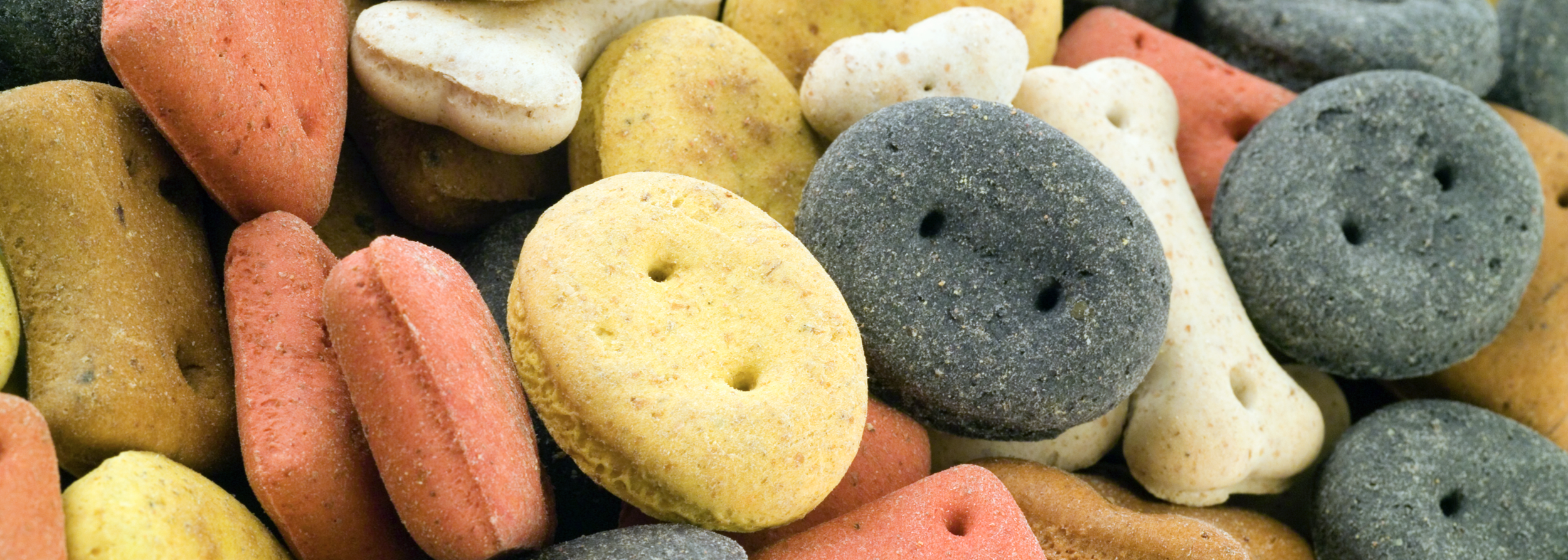
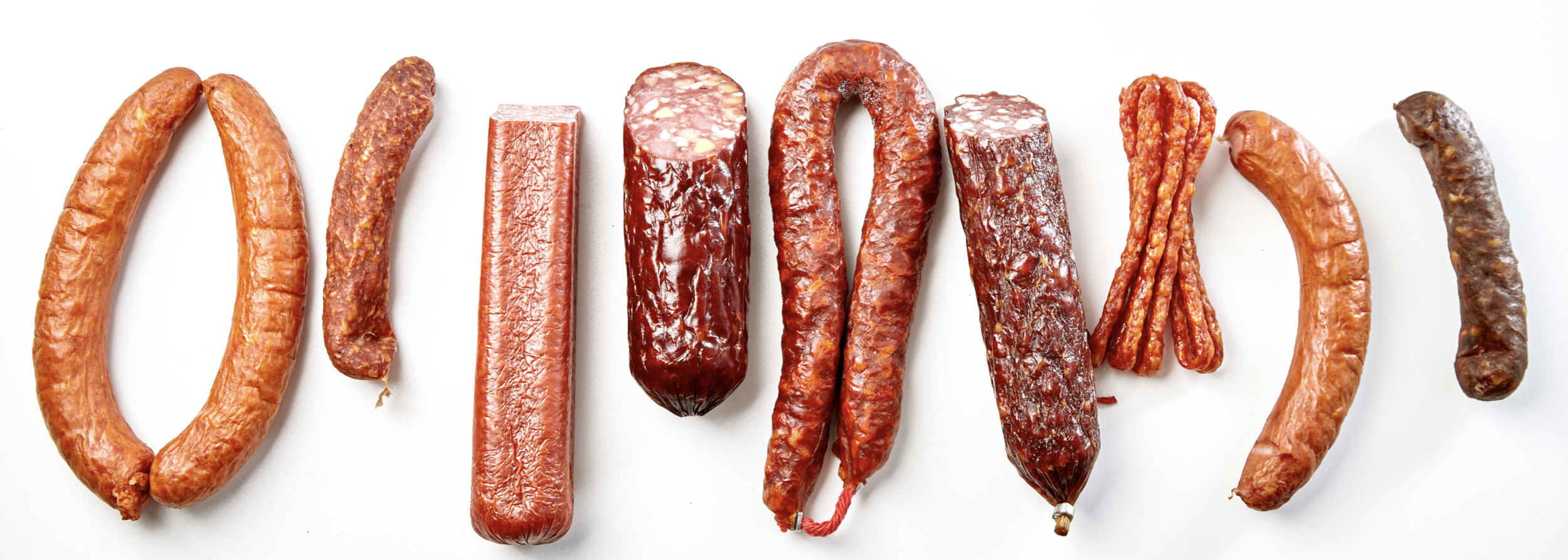
In the US, synthetic iron oxides are used for coloring sausage casings and for coloring soft and hard candy, mints and chewing gum. They are also used for coloring dietary supplement tablets and capsules, including coating and printing inks, and for coloring pet foods.
Applications
Confectionery
Pet Foods
Dietary Supplements
Casings









CARAMEL
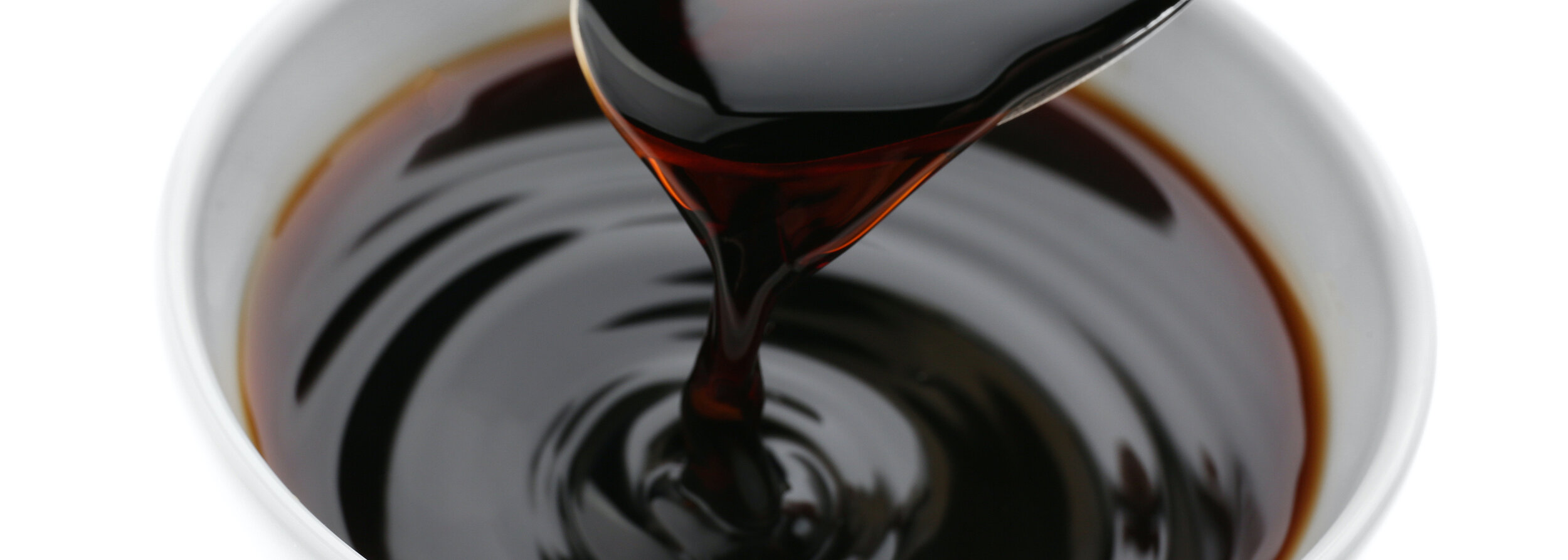
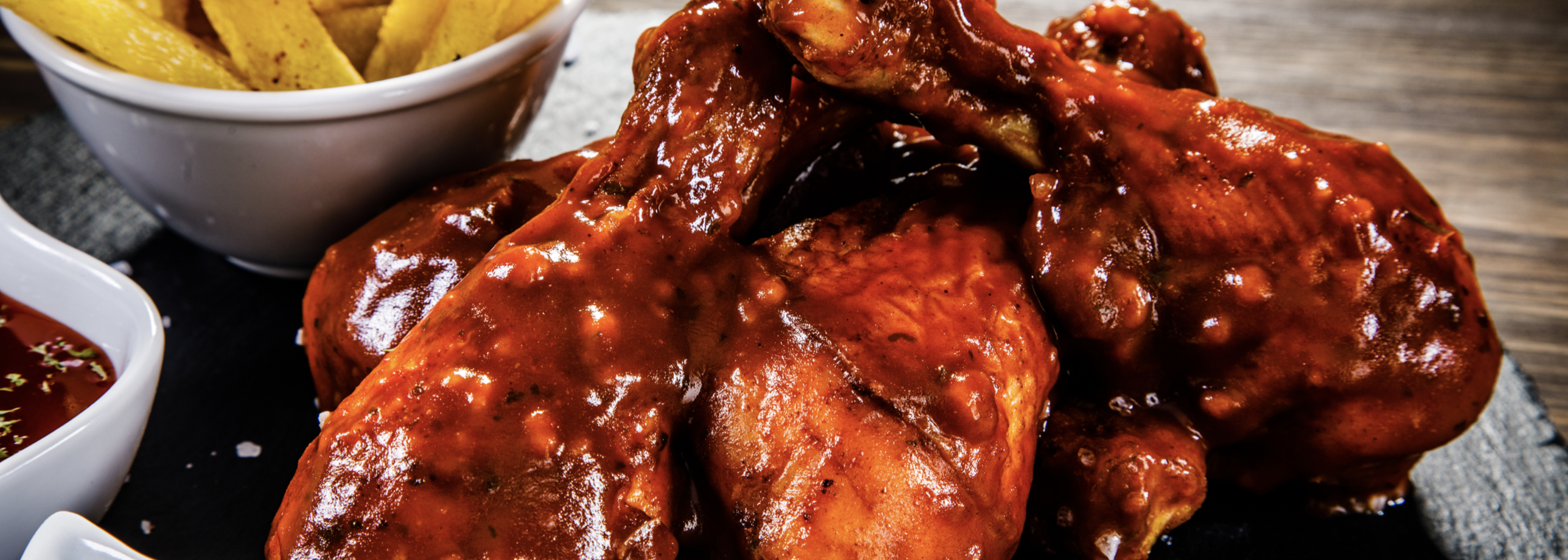
Caramel color is made by the carefully controlled heating process of food-grade carbohydrates, including: dextrose, invert sugar, lactose, malt syrup, molasses, starch hydrolysates and sucrose. Food grade acids, alkalis and salts may also be used to assist in the carmelization process.
There are four different types or classes of caramel. The classification is based upon how the caramel color is produced. They are: Class I (A) Plain Caramel; Class II (B) Sulfite Caramel; Class III (C) Ammonia Caramel and Class IV (D) Sulfite Ammonia Caramel.
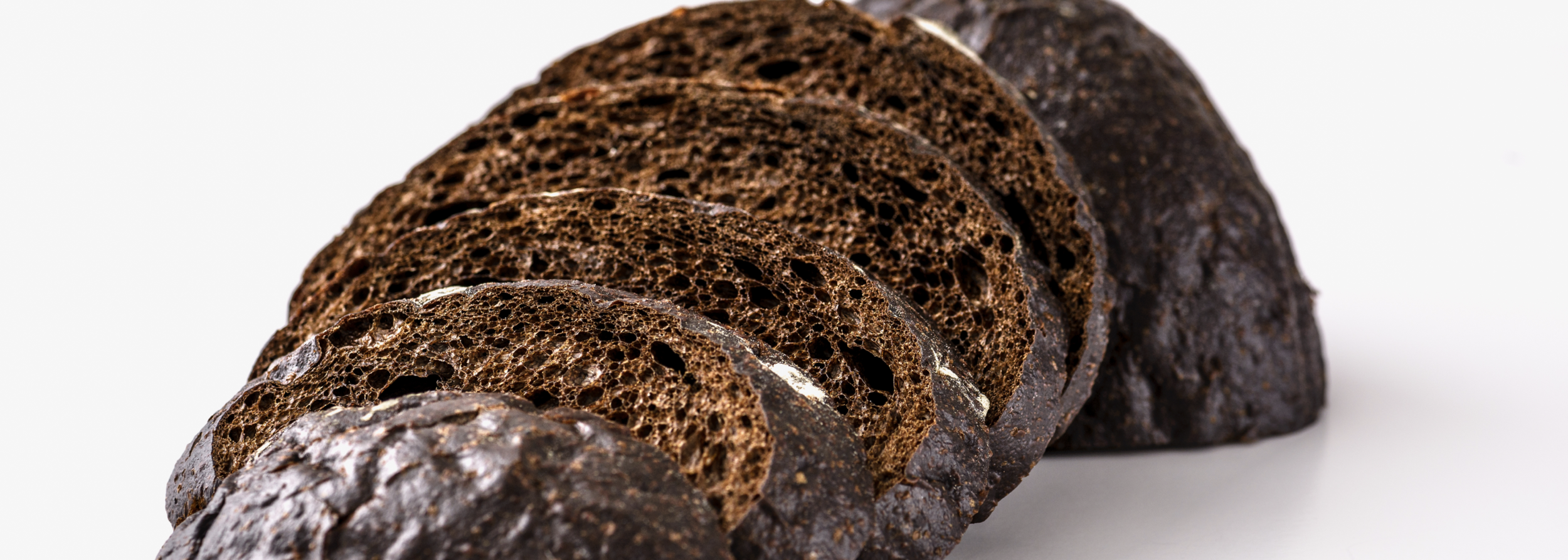
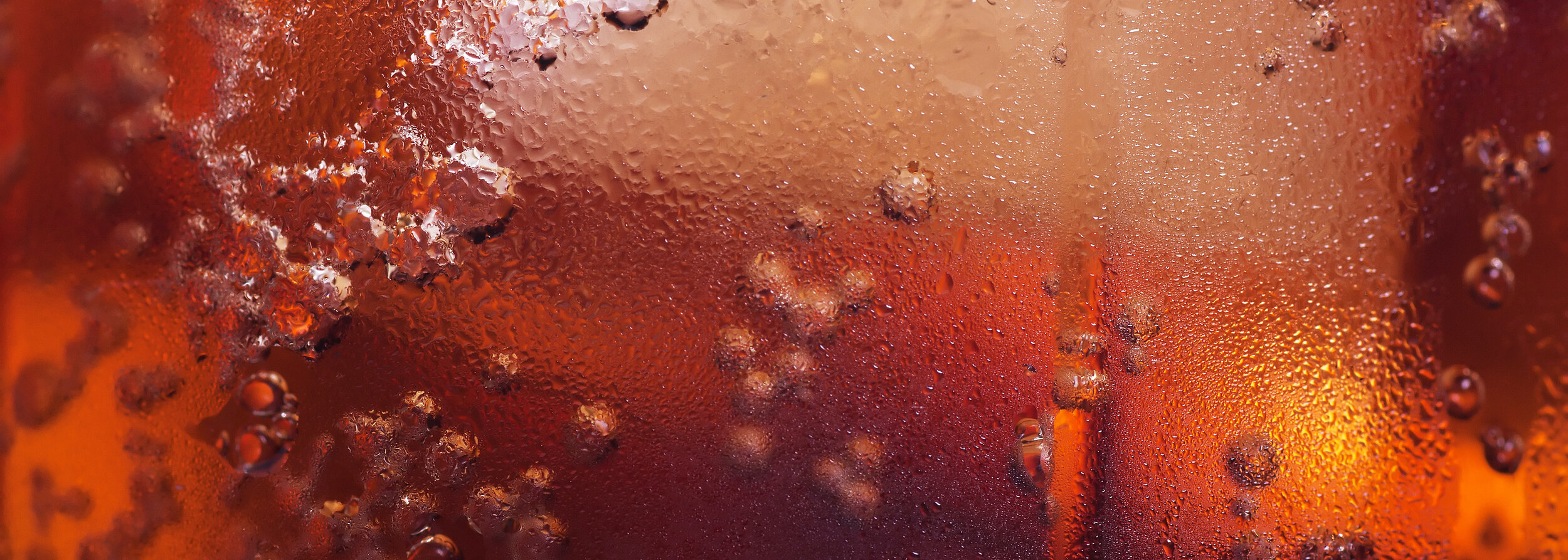
Caramel colors are very stable water soluble colorants with very good functionality and performance in all applications, and provide a range of brown shades, from light golden-brown shades to dark, intense reddish brown shades. They are used in a wide variety of applications, including bakery, beverages, cereals, confectionary, dairy, prepared foods, and pet foods.
Caramel colors are available in liquid and powder forms.
Applications
Beverages
Bakery
Confectionery
Prepared Foods
Sauces/Gravies
Dairy
Ice Cream
Seasonings
Pet Foods
Cereals
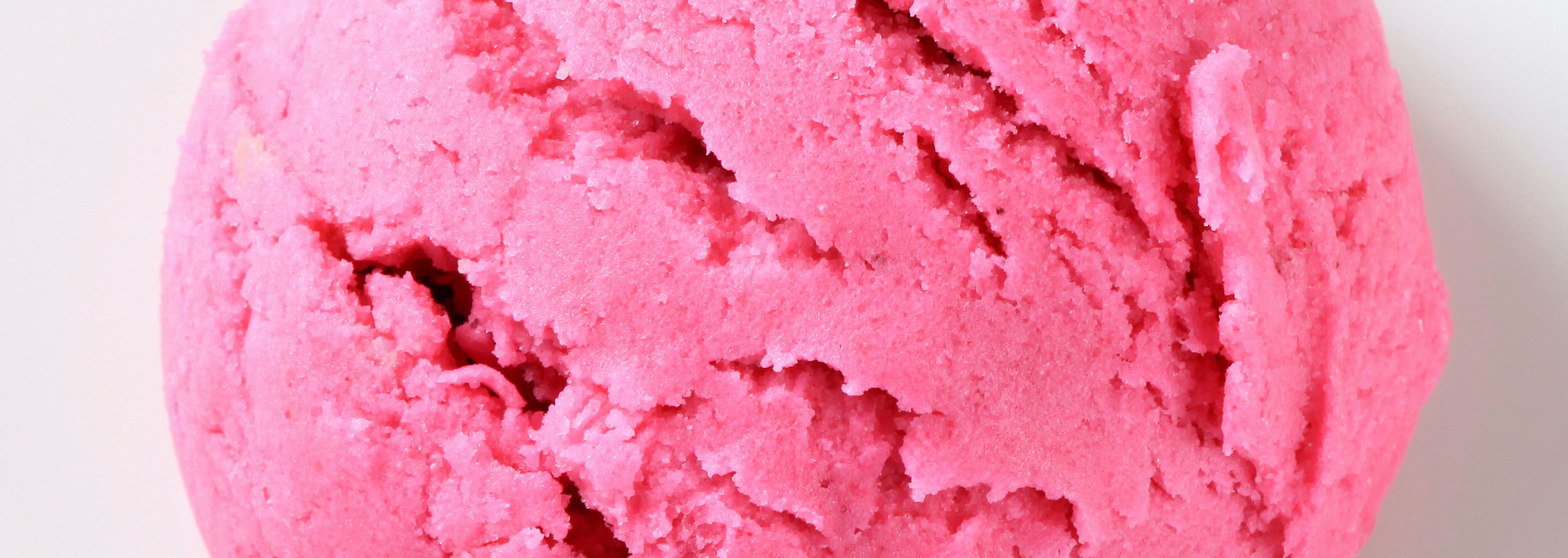


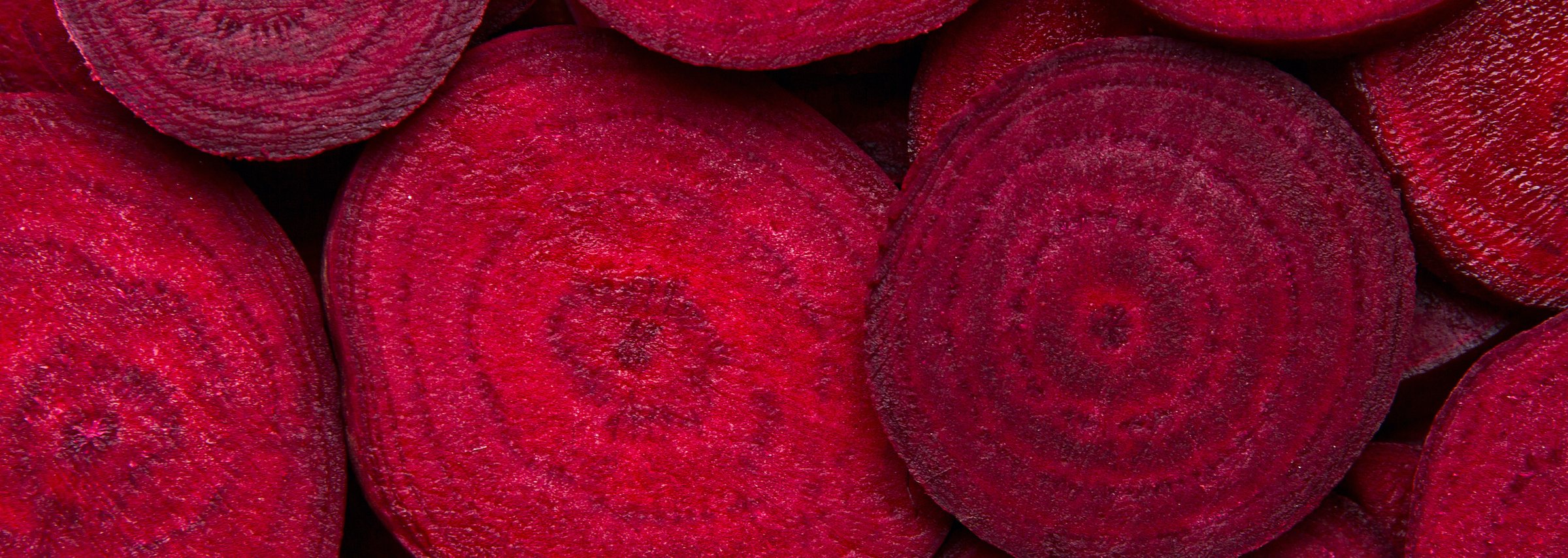

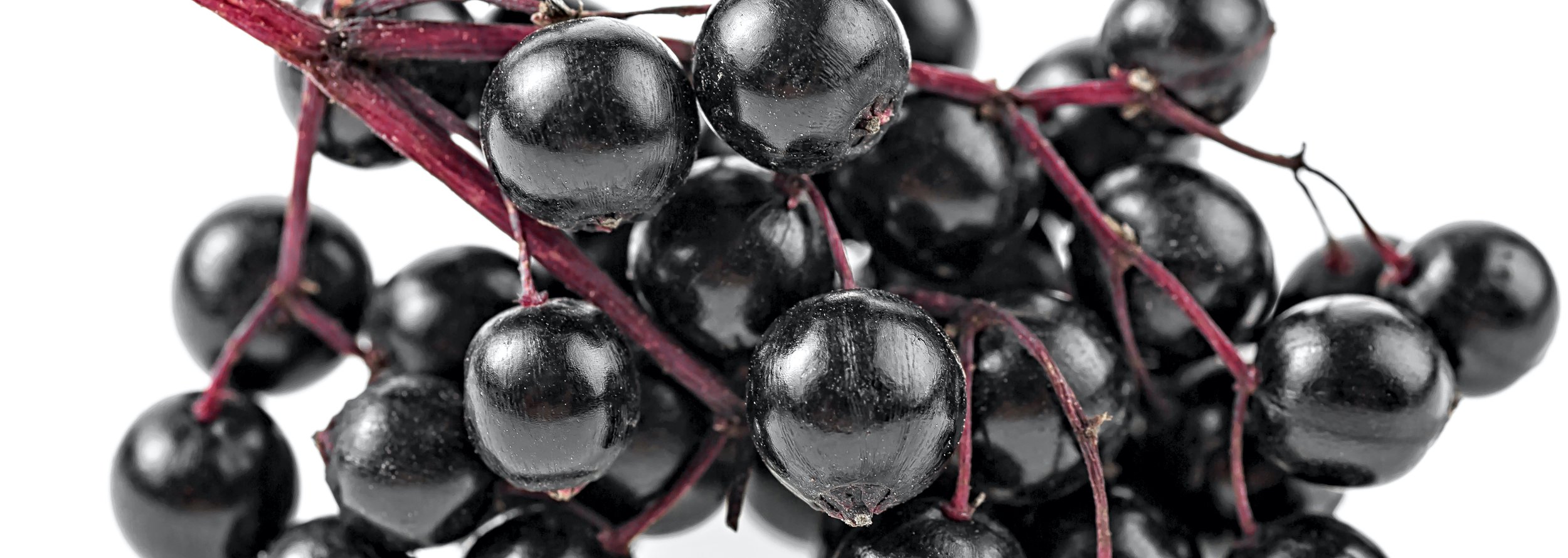

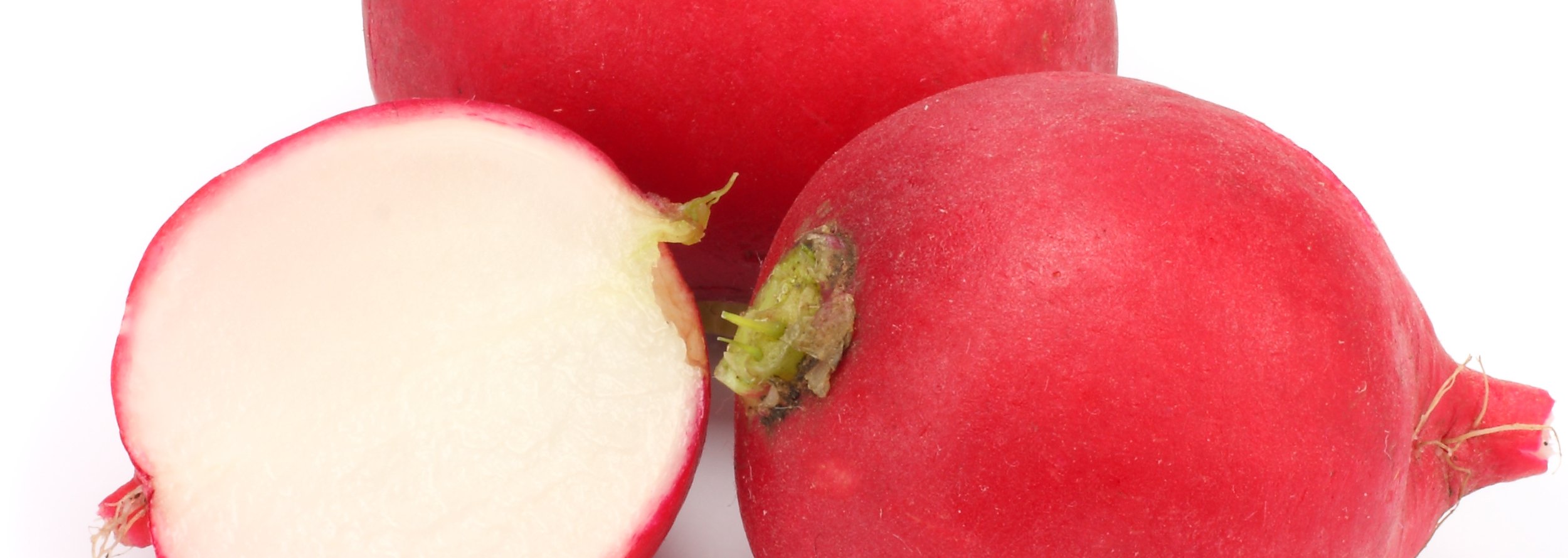





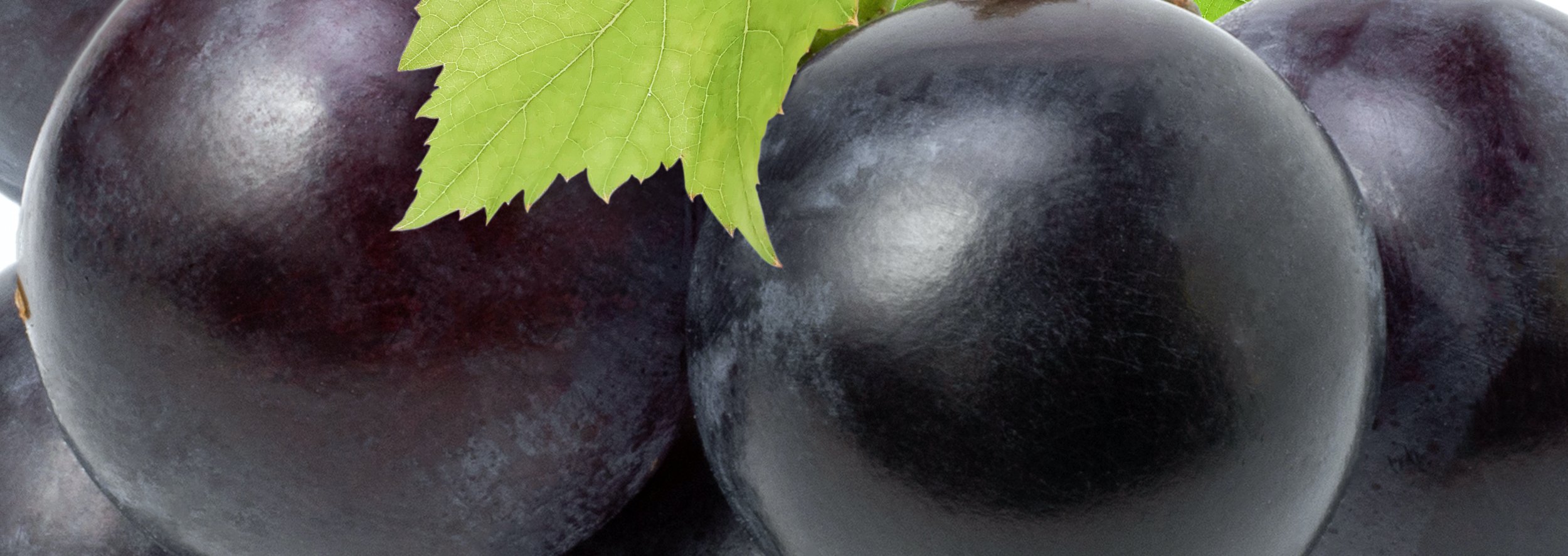

COLORING FOODSTUFFS
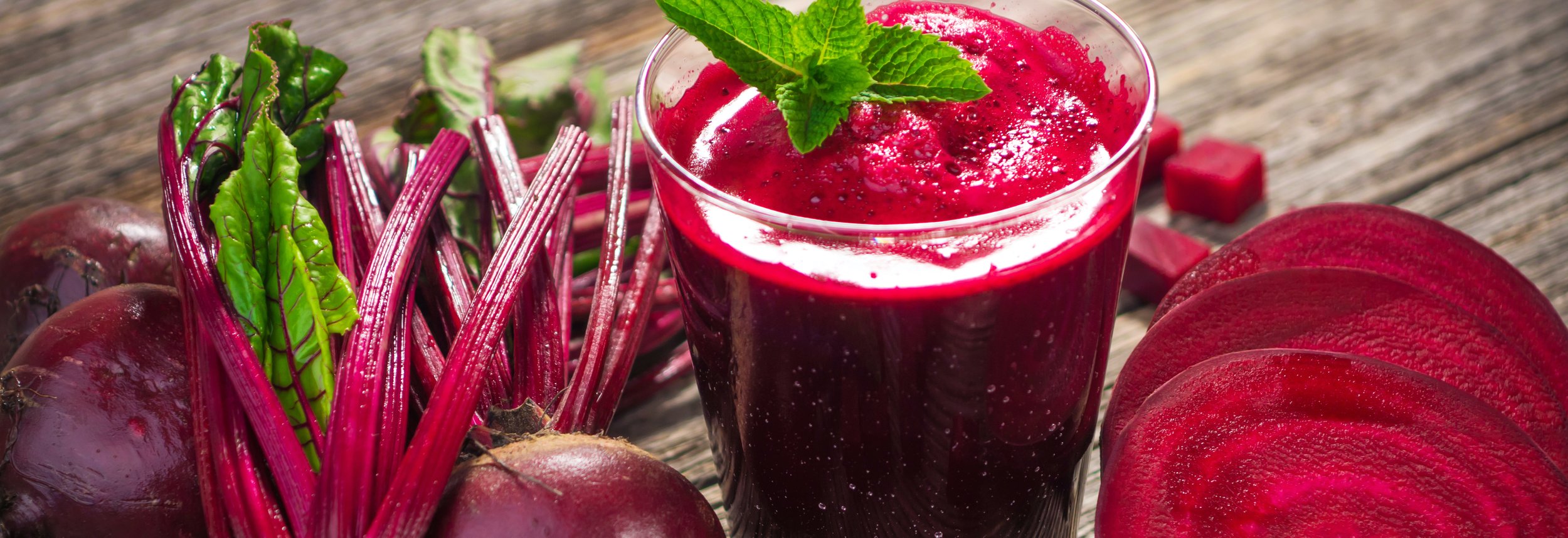
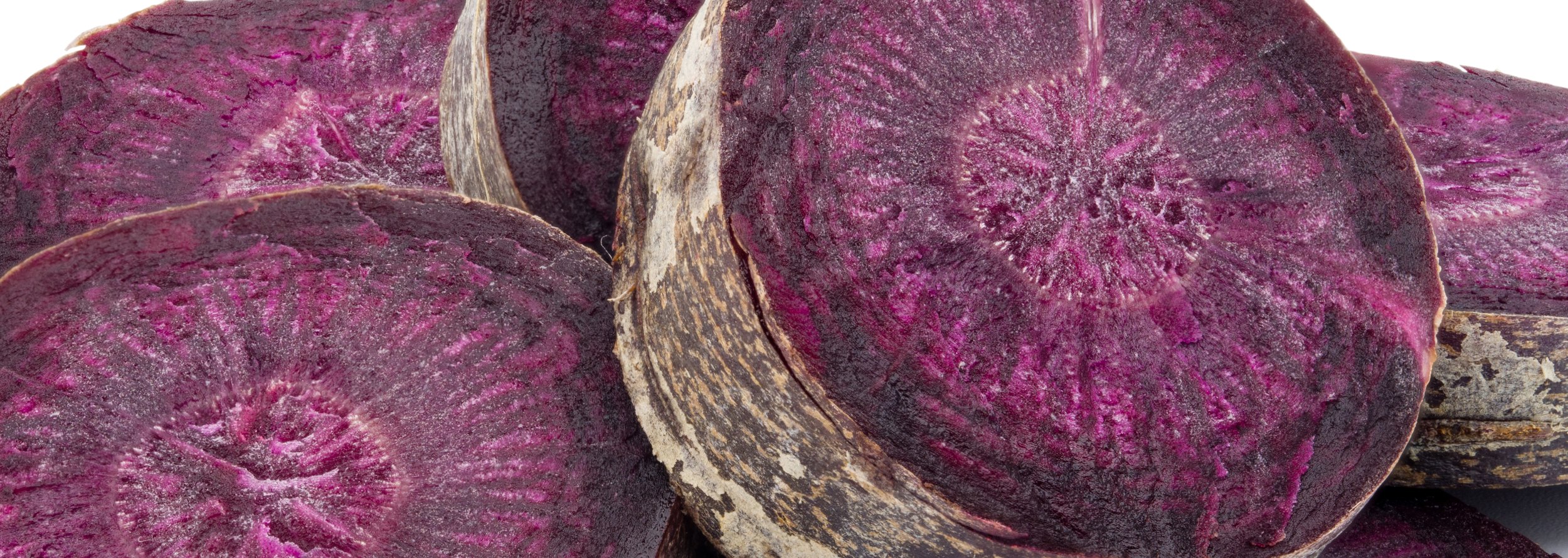
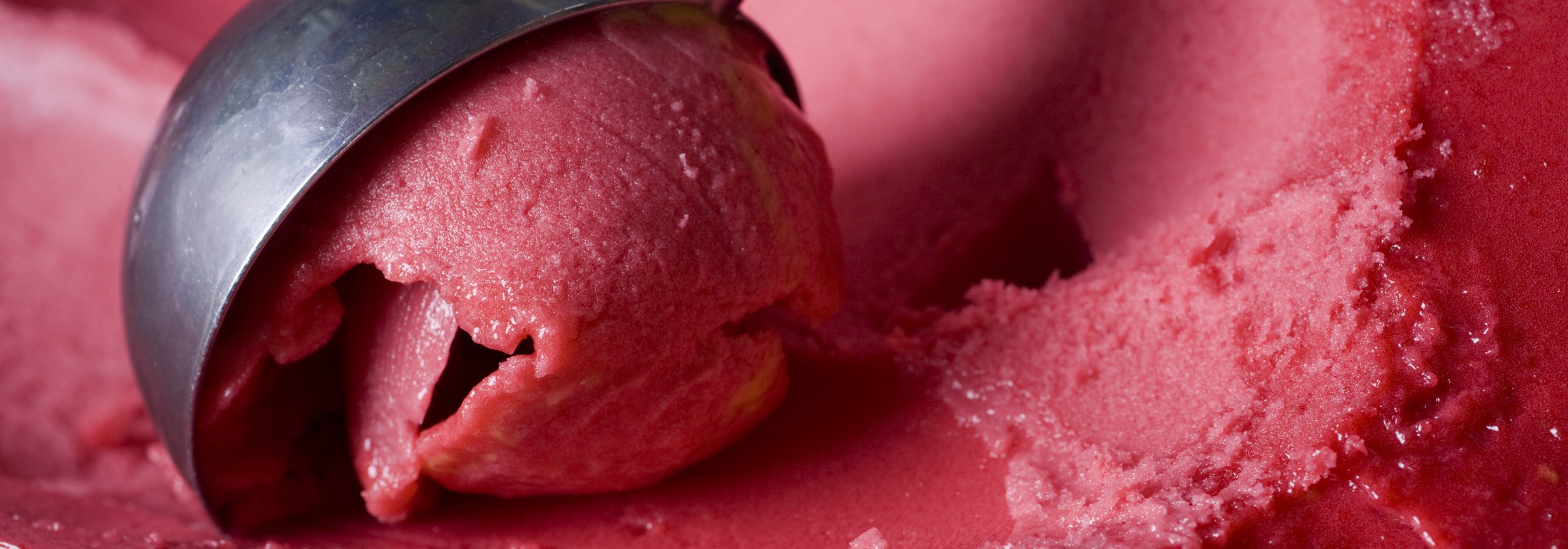
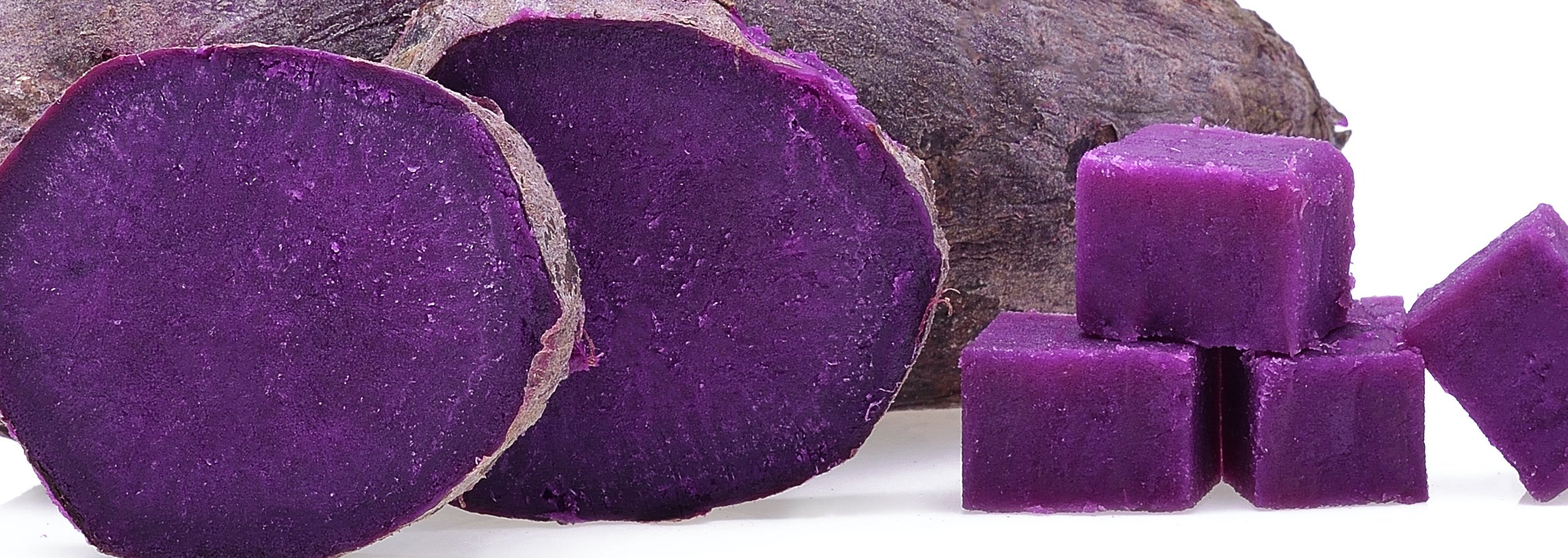
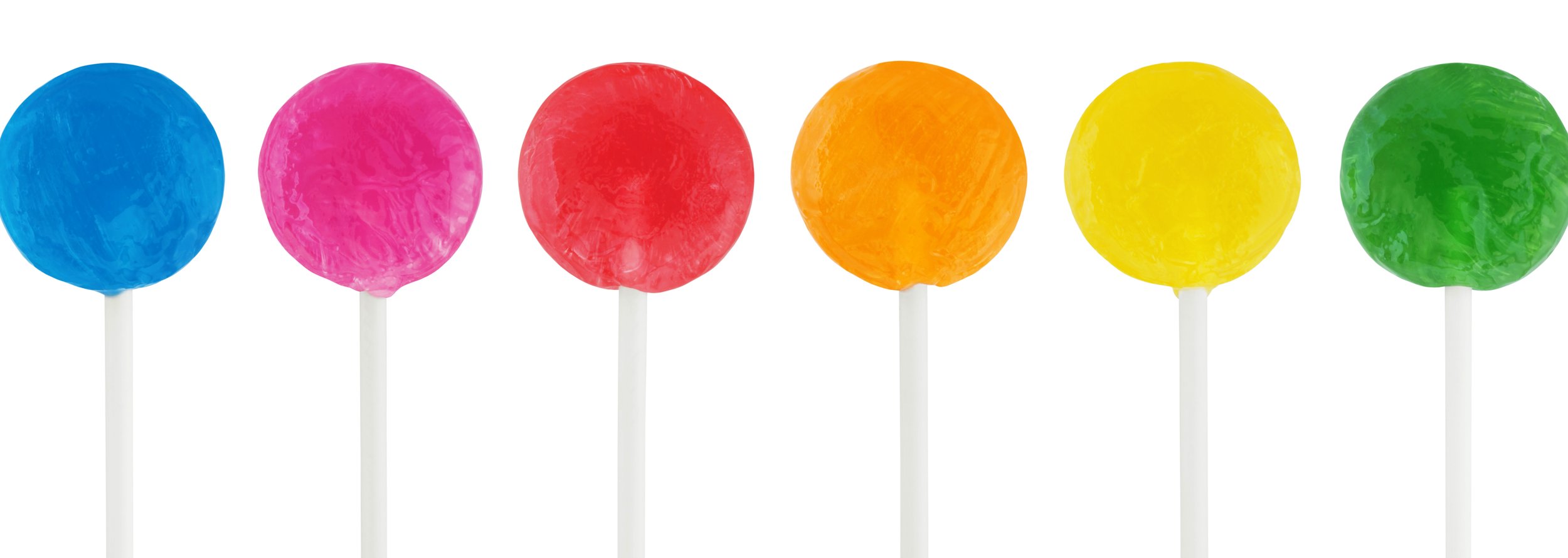
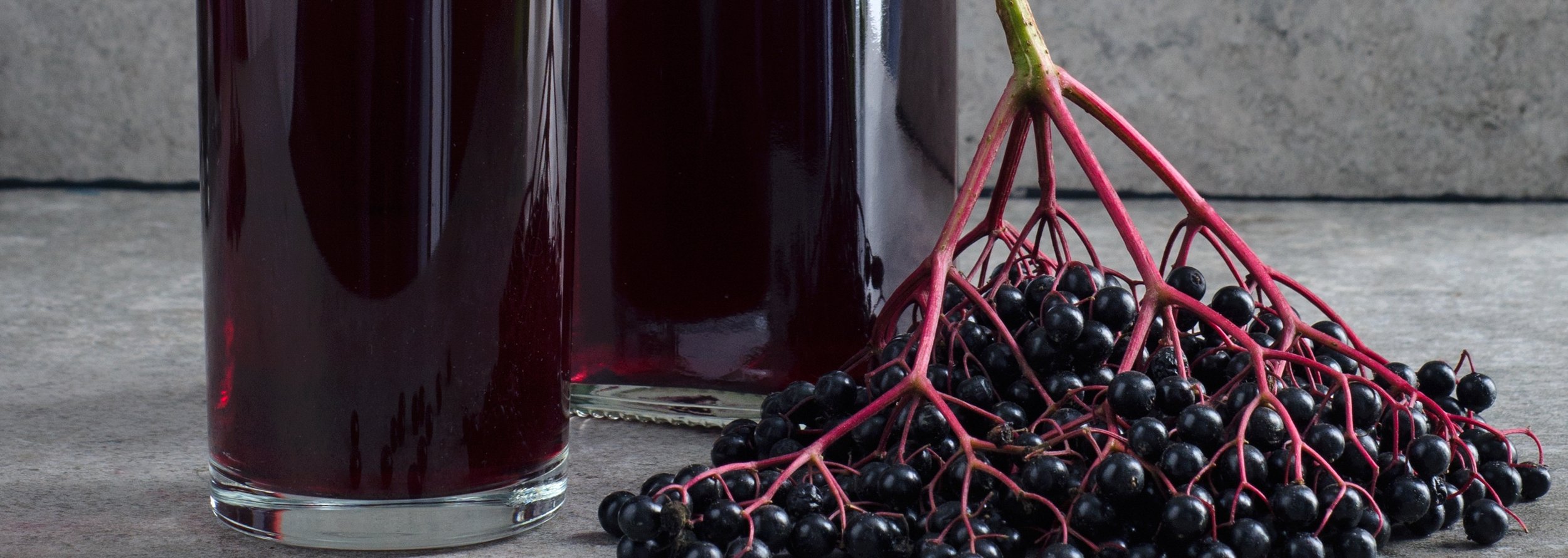
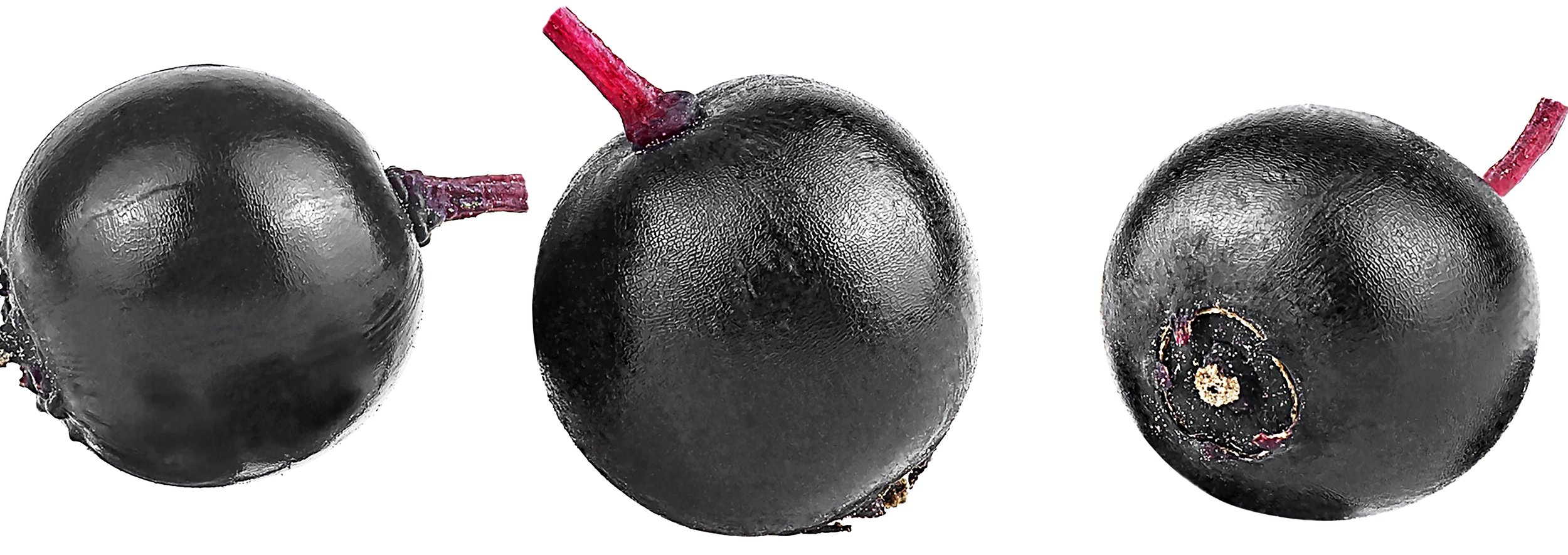
Coloring Foodstuffs (or Coloring Foods) are a range of naturally sourced products which are regarded as ingredients or foods, rather than as additives. These concentrates or juice concentrates also then impart color when used in a given food application. NATCOL (Natural Food Colors Association) positions “Coloring Foods” as food ingredients used by the food industry for the primary purpose of imparting color to food and beverage products. They are manufactured from fruits, vegetables, flowers, spices, algae and/or other edible source materials. They have the following criteria:
The primary extract is added during the manufacturing of compound foods with the primary effect to deliver color to the compound food. If the primary extract is used because of its aromatic, sapid or nutritive properties together with a secondary coloring effect, the primary extract is either a food or a flavoring.
The source material must be a food or a characteristic ingredient of food which is normally consumed as such within the EU.
The pigments present in the source material must NOT undergo selective, physical and/or chemical extraction relative to the nutritive and aromatic constituents.
In the US, all colorants, whether Certified, Exempt or a Coloring Food, are additives and are regulated as such by the FDA in 21CFR Parts 73, 74 and 82. In Europe primarily, and some other parts of the world, coloring foodstuffs are used widely and are seen as ingredient options which allow for clean label alternatives.
In the EU, for example, all additives have assigned what is called an “E Number”, which would appear on product labels for consumers. For example, Red Beet is E162. The coloring foods, while in many cases are derived from the same sources as the Exempt or Natural Colors, are E Number free. The corresponding Red Beet Coloring Food would have minimal processing, and would be labeled on the finished food as “Red Beet Juice Concentrate”. This allows for “cleaner labeling options”, or potentially provides more appeal to consumers.
Applications
Bakery
Beverages
Confectionery
Dairy
Dry Mixes
Frozen Desserts
Fruit Preparations
Gelatin
Ice Cream
Prepared Foods
Water Ices
Yogurts
Meat and Meat Substitutes
Product Forms
Powders
Products are available as dry powders. This form can be preferred as it allows for a longer shelf life when stored, and also allows for ambient storage for most products.
Liquids
Products are available as water soluble liquid systems or as liquid emulsions or oil based liquids.
Blends
As is true with the synthetic colors, natural colors may also be blended, with other natural colors or also with synthetic colors also, in order to achieve any desired shade. These may be in liquid or in powder form.
Oleoresin
In the extraction process, for many of the natural colors, such as paprika for example, the end product is an oleoresin, which contains the colorant, and may also contain other ingredients inherent to the vegetable or plant source, such as flavor components.
Suspensions
The natural pigments may also be uniformly dispersed into suitable carriers, such as oil or propylene glycol.
Emulsions Encapsulated Forms
Many of the natural colors are inherently oil soluble or insoluble pigments. In order to use them in water based applications, they may be emulsified with food grade ingredients in order to make them water dispersible or water miscible.